Company information
Business names STEPHANIE SADOWNIK CONSULTANCY
Business Identification Number (BIN) 1000861369
Registration Date April 12, 2024
Type Business Name – Sole Proprietorship
Status Active
Principal place of business ON, CA
AGEWELL PAGE. Ontario College of Teachers (OCT)
Extended Deferral PSYC 366. PSYC 351D
Current Position: Occasional Teacher (SCDSB, YRDSB, OCDSB)
ABA 1 ABA 2. RBT. BMS. Orton Spec Ed. Guid. MACP PhD. PhD OCT
TCPS QECO. IB MYP. IB DP. NCFE. MOODLE. PADI. ETFO OSSTF
Email: stephanie.sadownik@gapps.yrdsb.ca; stephanie.sadownik@ocdsb.ca;
stephanie.sadownik@ucalgary.ca
Phone: (289) 423 9463
Research Experience and Background
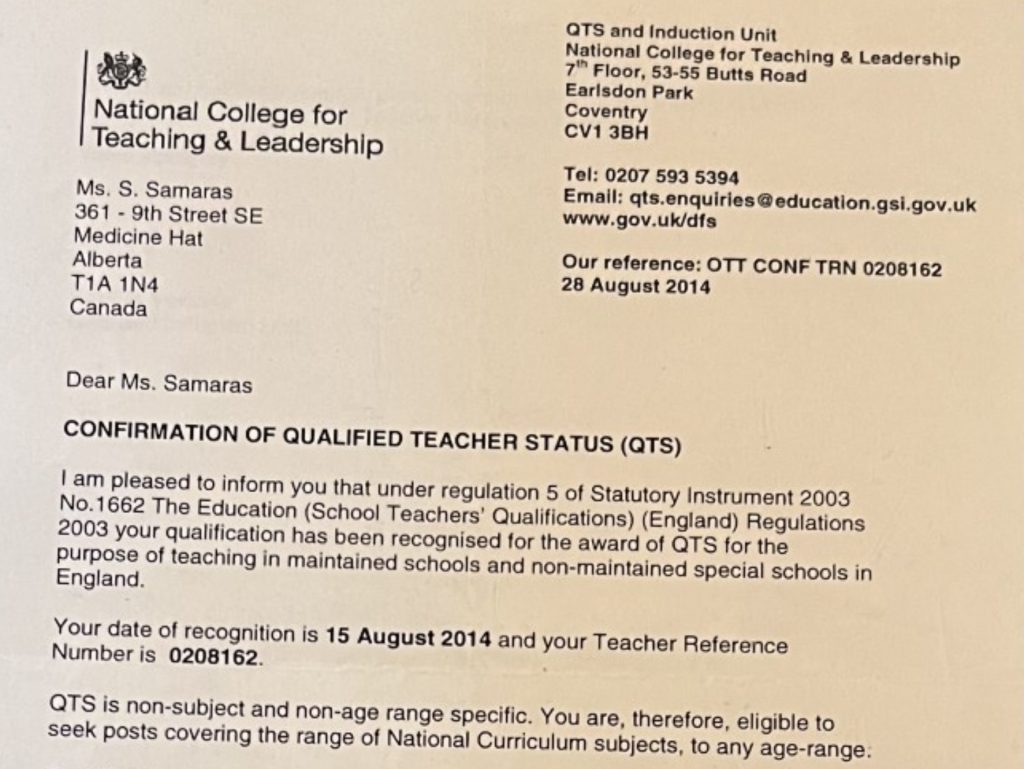
Dr. Stephanie A Sadownik began working initially with the Federal Student Work Experience Program, available to candidates enrolled in post secondary institutions as a Student Border Officer for the Alaska Marine Highway during the summer and Victoria Harbour during the school term in British Columbia and later with Canada Post in Victoria, BC. She has been an educator for over 28 years and has been an Ontario College of Teacher certified teacher since 2014 and is an active blood donor.

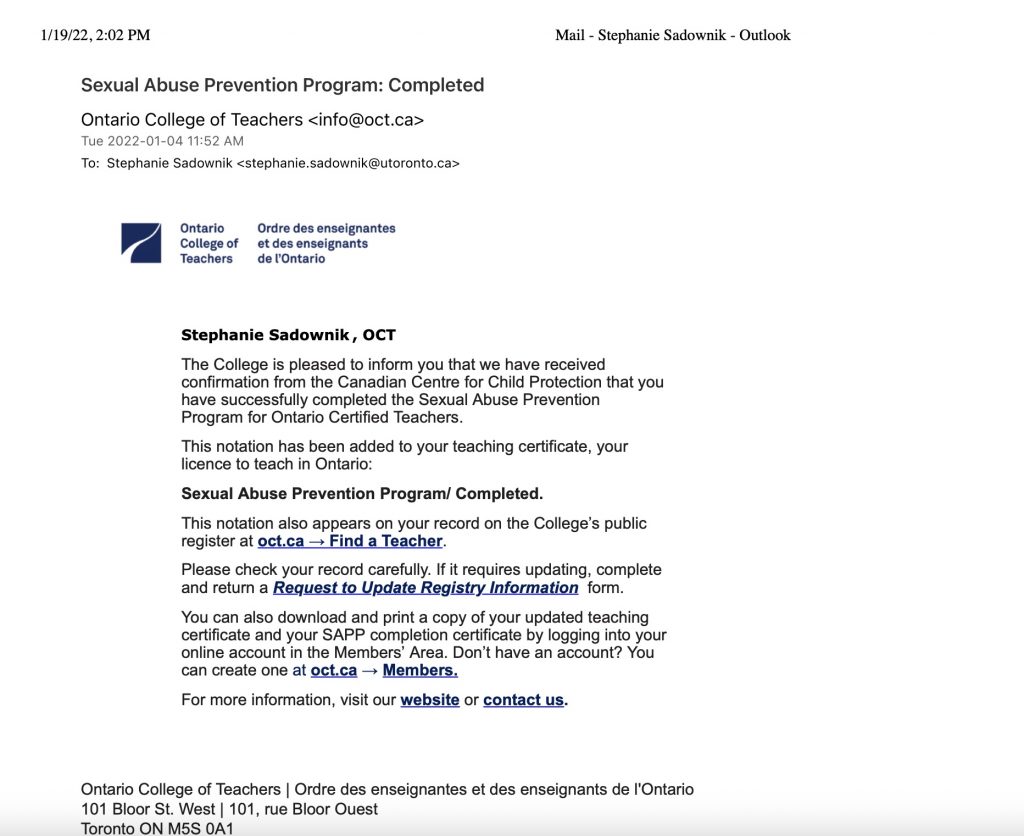
She received approval to be a Canadian Centre for Child Protection agent role in 2022, through the Ontario College of Teachers.
Canadian Centre for Child Protection
204-560-0723 communications@protectchildren.ca
https://www.oct.ca/public/media/press-releases/2021/20210824
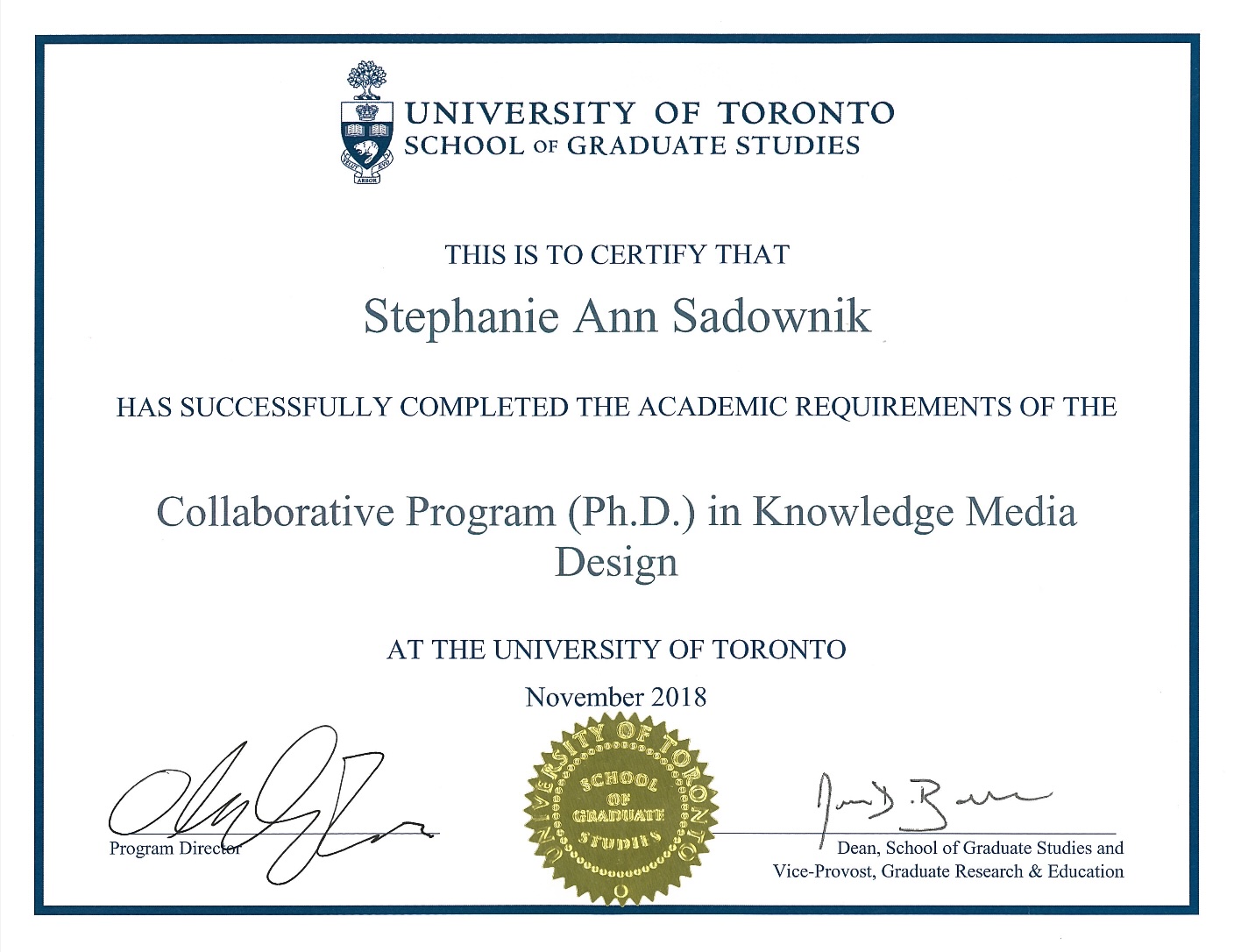
Dr. Sadownik has combined two disciplines for her collaborative PhD from University of Toronto (2018)

Curriculum, Teaching and Learning
Supervisors: Doug McDougall, Jim Hewitt, Kathy Marks Krpan
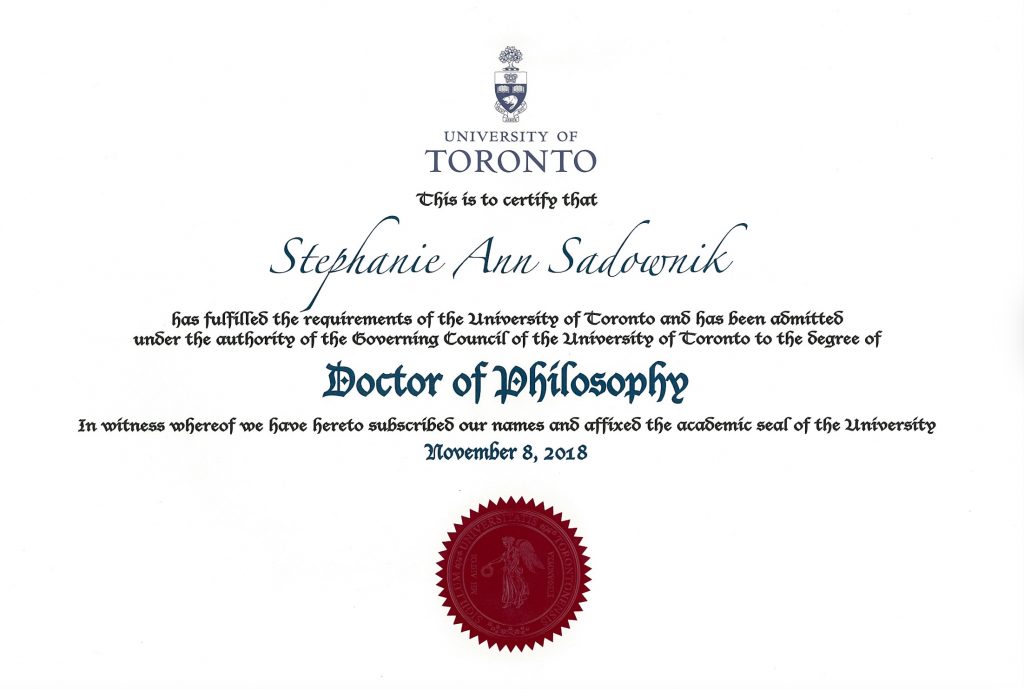
combined with
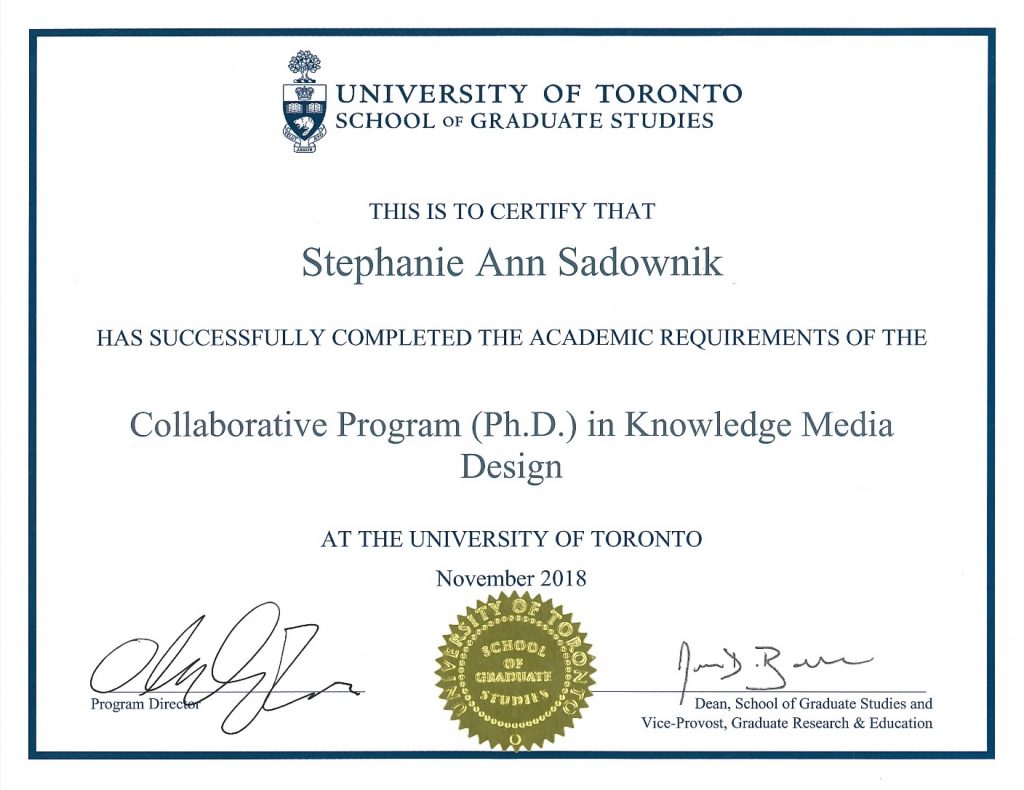
Knowledge, Media Design
Supervisors: Jim Slotta, Olivier St. Cyr, Jeff Boase
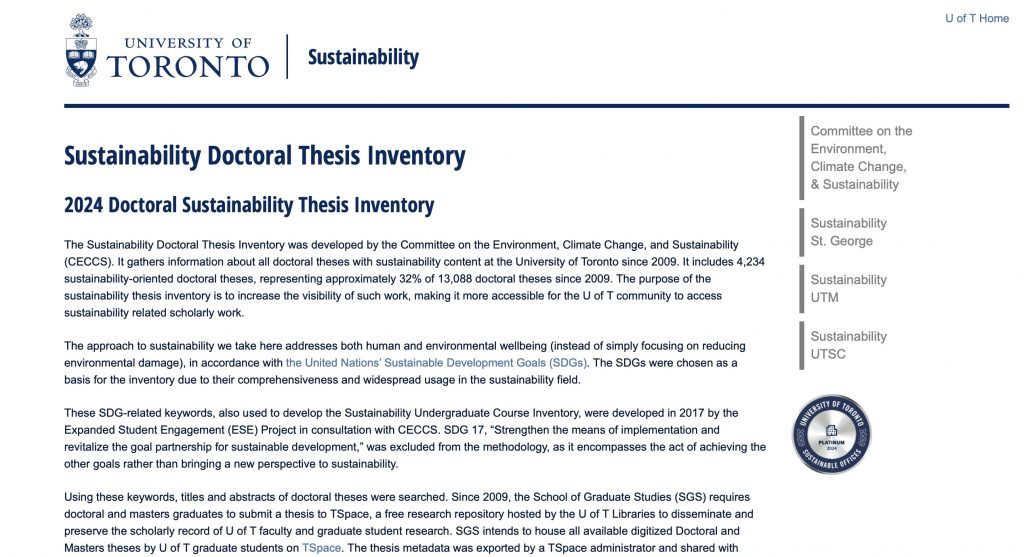
Her research is listed under University of Toronto sustainable doctoral thesis inventory.
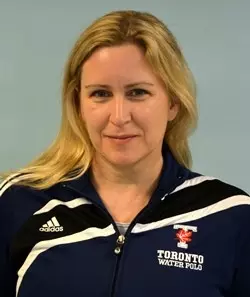
Dr. Stephanie A Sadownik played for the University of Toronto Women’s Varsity Waterpolo Team in 2014-2015. Other earleir varsity teams included: swimming, cross country, track and field. In 1996-1997, Dr. Sadownik was the team manager of the UVIC Women’s basketball team.
Research Interests
Google Scholar
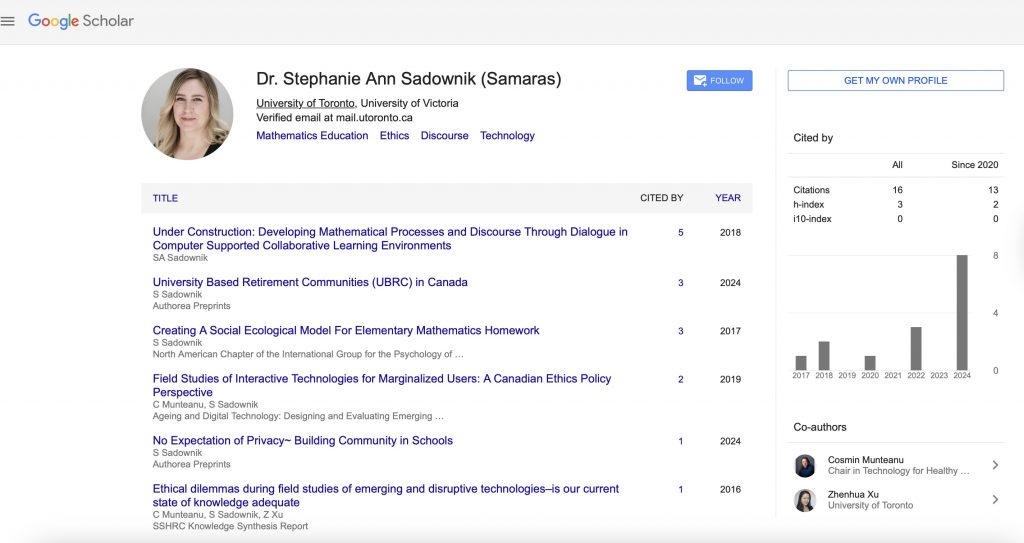
Dr. Stephanie A Sadownik’s research considers problematic discourse, social media, human rights, motivation, engagement, education, equity, inclusion, Google Classroom, social surveillance, social, emotional well-being, self-regulation and at-risk students.
Dr. Sadownik’s research considers the intersectionalities of students who identify as neurodivergent, autism, autism spectrum disorder, in addition to being inclusive of neuroqueer theory and neuroqueer pedagogy.
Graduate Assistantships
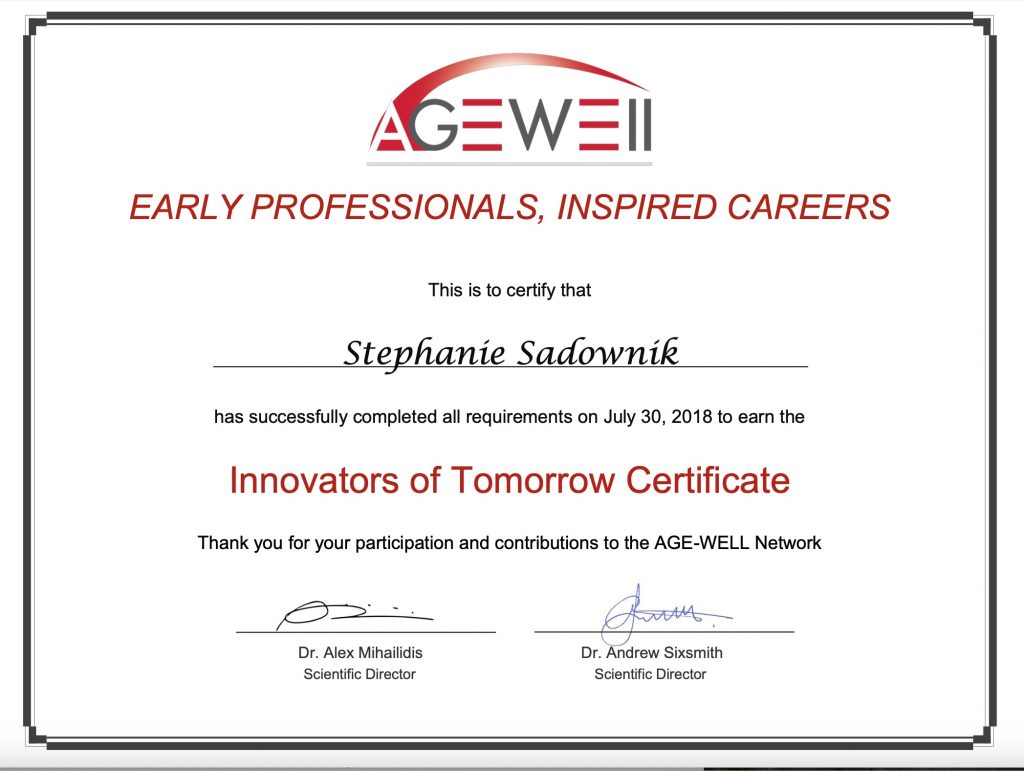
She has been a graduate assistant for both Dr. Earl Woodruff, Faculty of Applied Psych and Dr. Cosmin Munteanu, Faculty of Human Computer Interaction.
https://forum.agewell-nce.ca/index.php/Member:Stephanie.Sadownik
Together, with University of Toronto, Dr. Sadownik organized Ministry of Education discussions regarding math anxiety. This visit led to a written publication and photograph of the visit and work with Dr. Charles Pascal.
Professional Learning Communities
To understand the leadership framework in Ontario, Dr. Sadownik undertook training and qualification for the Principal Qualification Program. The program introduces candidates to Superintendents such as Dan Wu and Ontario College of Teachers Investigations teams who speak candidly about their work.

University of Victoria Co-op program offered positions with

United Nations Institute for Training and Research in Geneva, Switzerland
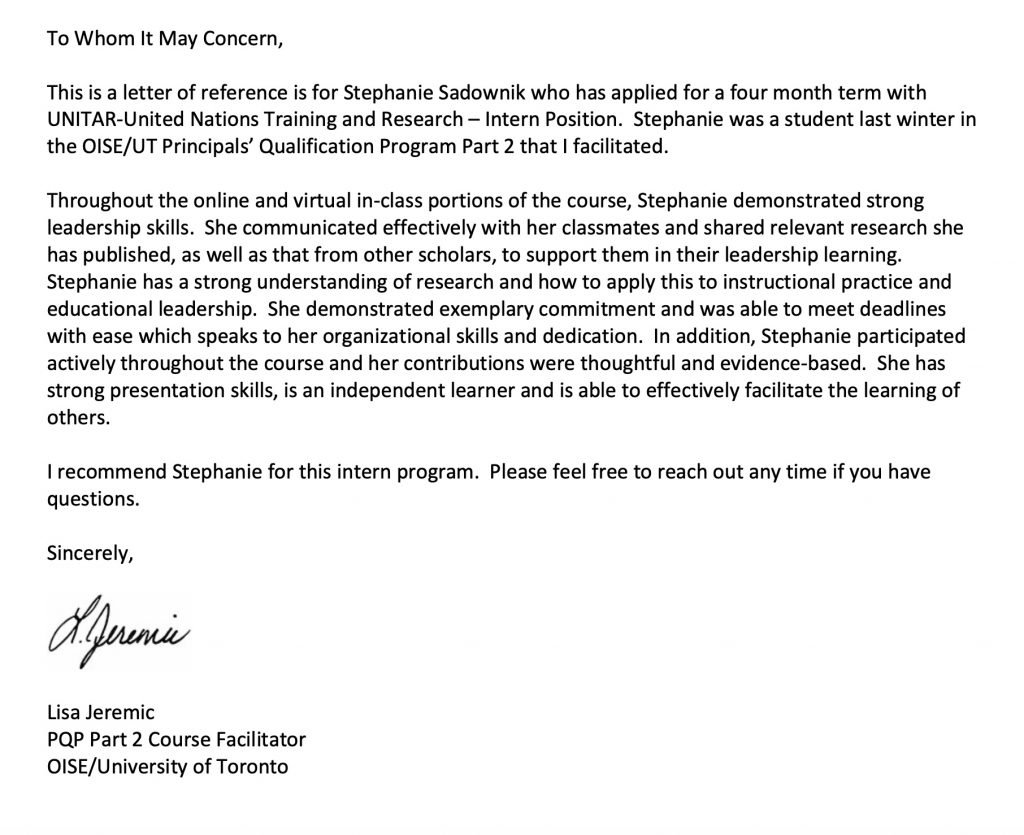
Other AQs: Spec Ed, Guidance, Math P/J, Math I/S, Comp Sci I/S, Social Sci I/S; Counselling Practicum: Evaluation
Reference – Earl Bass Spec Ed Reference – Christine Duquette
Reference – Cayla Sahadath Guidance Reference – London
Reference – Fraser Academy. Reference – Tom Hegbloom
Reference – Tony Key Reference – Jake Protivnak
Reference – Sandra Quan D’Eramo. Reference – William Kershaw
Candidates undergo a Leadership Practicum in which they shadow a working administration team in a school and lead staff development and recruitment for mandates. Dr. Sadownik’s practicum took place during the Renewed Math Strategy (RMS) in Ontario during 2017-2018 and she worked with Matthew Webbe and Vincent Chen to help staff who volunteered to incorporate technology into their mathematics classroom with prepared tasks.
School District – Post Secondary – Government Relationships
Dr. Sadownik orchestrated a partnership between the Applied Psychology department graduate student group, Dr. Earl Woodruff and the Toronto District School Board for professional learning opportunities and study recruitment for TDSB staff at OISE.
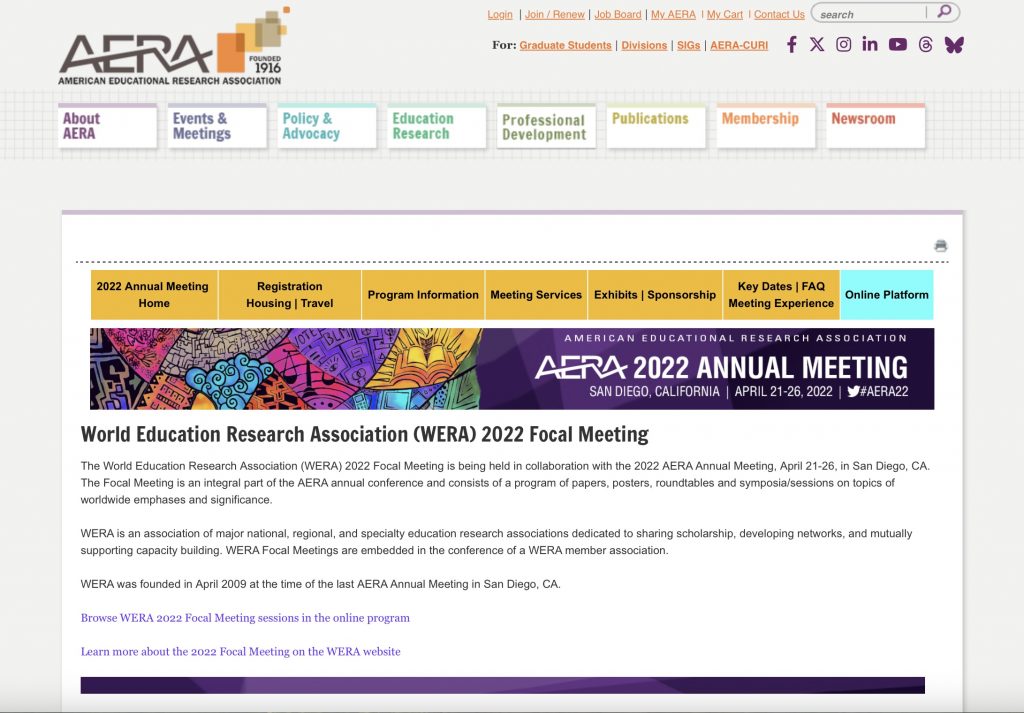
Recently, Dr. Sadownik was offered an Elementary Mathematics Problem Solving chair position at the World Educational Research Association (WERA) 2022 Conference in San Diego, CA,
Post doctoral research (2018-2023) consisted of research on human rights, privacy acts, storage of confidential data, surveillance of vulnerable and marginalized populations through technology agreements, school policies and education acts and within school cultures, police cultures and public data bases.
Dr. Sadownik became an affiliate research associate to Dr. John Park with the UN university.
Sample Paper– Self-Reported Efficacy
Sample Poster– 1) Do These Glasses Make Me Look Smart?

2) KMDI
Sample Table – Inclusion Criteria
Sample Conference – InPACT ; InPACT ; InPACT; Fields Institute; PMENA; WERA; PMENA; SSHRC; CSEDU
Sample Research – Protocol 45197; 43835; REB23-0025
Sample Consultation – Comp Studies AQ, BC Sustainability
Sample UNESCO work – Creative Cities Application Lethbridge
Sample TCPS – 2022 tcps2_core_certificate 2022
Skills/Competencies
● Data Science (R Studio), Computer Programming (Python), Microsoft Office Suite
● Qualitative Research methods- semi-structured interviews, focus group, meta-analysis
● Quantitative Research methods- correlation, chi-square, ANOVA
● Mathematics Problem Solving, Mathematical processes, Dialectical discourse
● Statistical Software: JASP , R Studio, SPSS
● Database Design: ERD, Visual Paradigm, Excel, MedAccess, Moodle
● Coding Software: NVivo
Websites
● Implicit Association Tests- Yes, Sir!
● Prezi: 1). Amnesty International. 2) Laughing White Men
3) Technology Adoptation in Learning Organizations
● ORCID Connecting Research and Researchers
● Google Scholar- Dr. Stephanie A Sadownik
Most of her research ideas come from her experience with classroom teaching and best practice as well as personal interests like photography and sports.
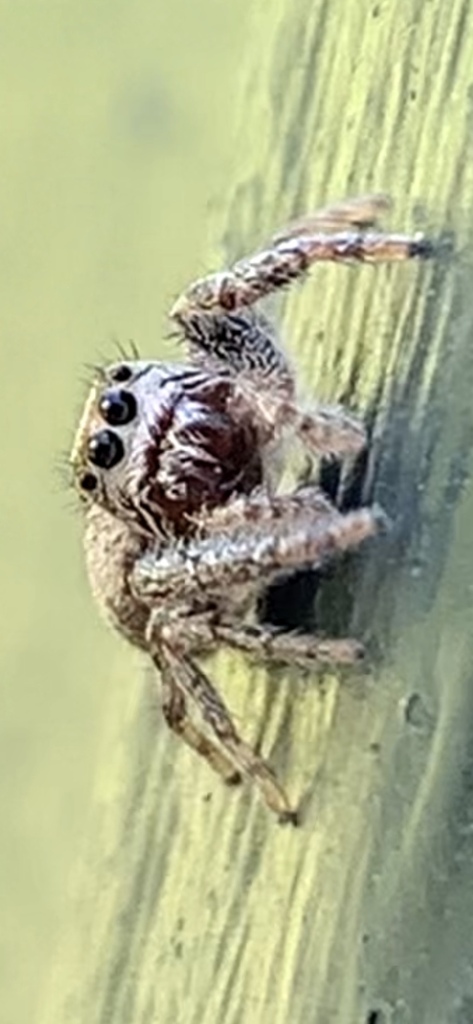
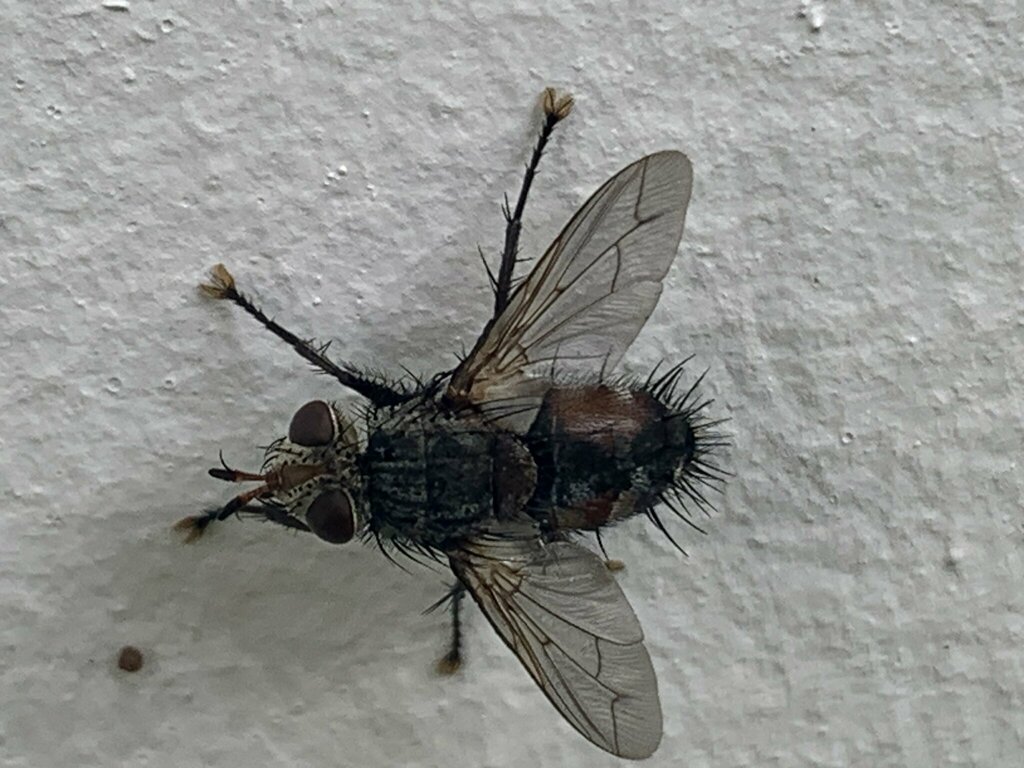


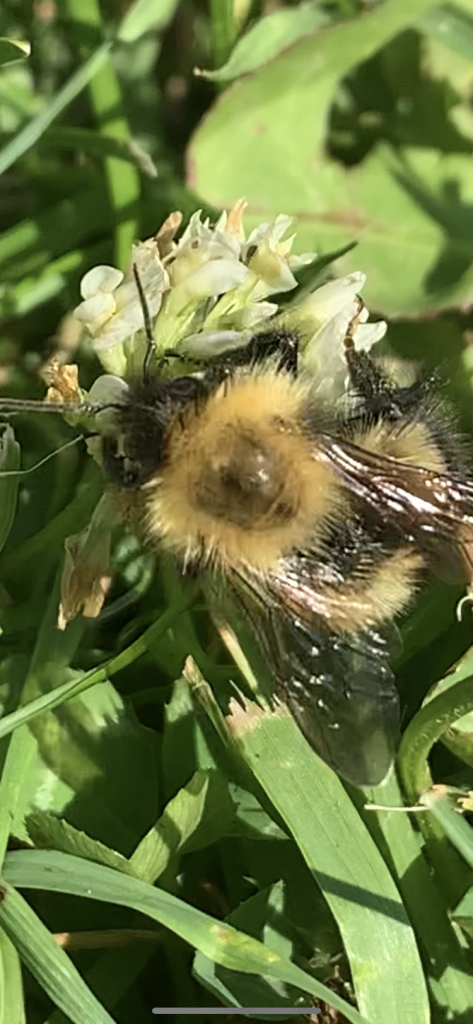

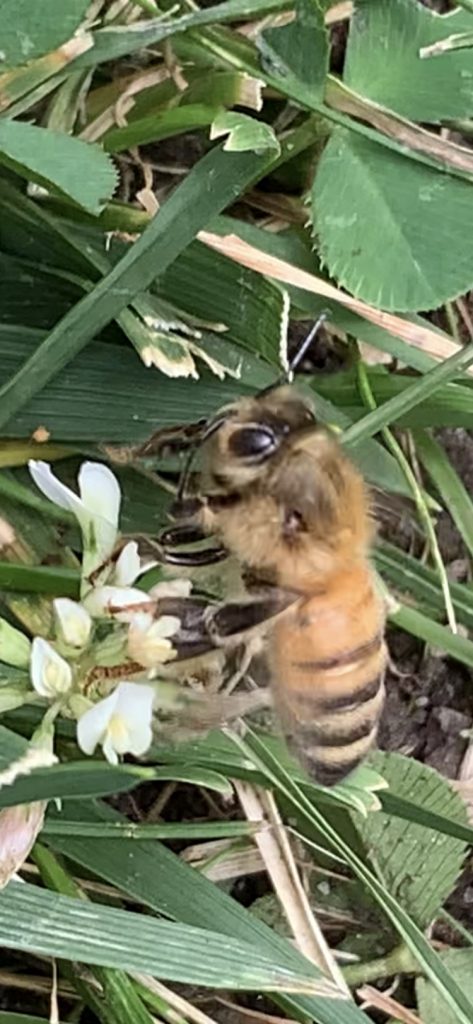
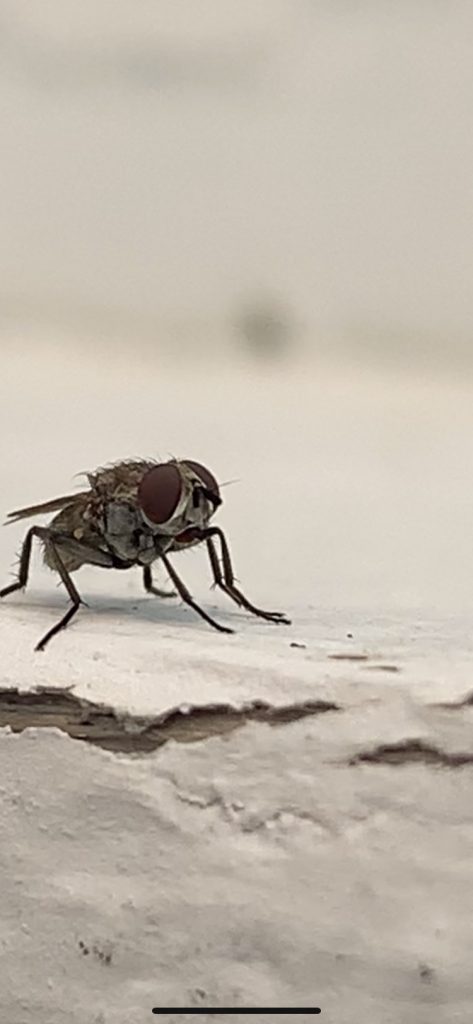



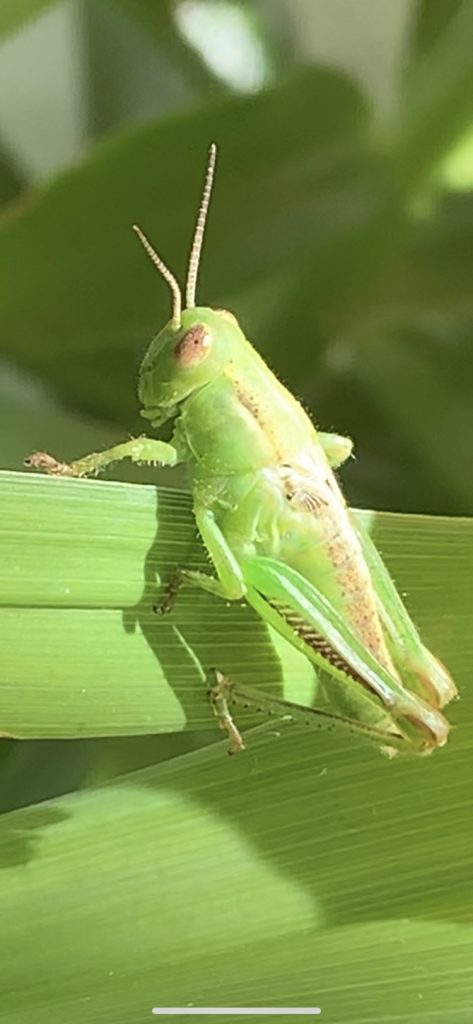

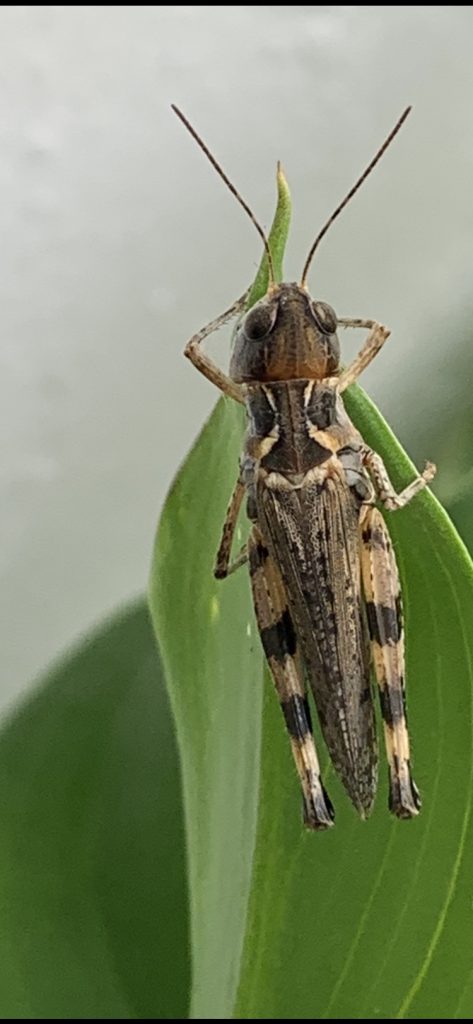
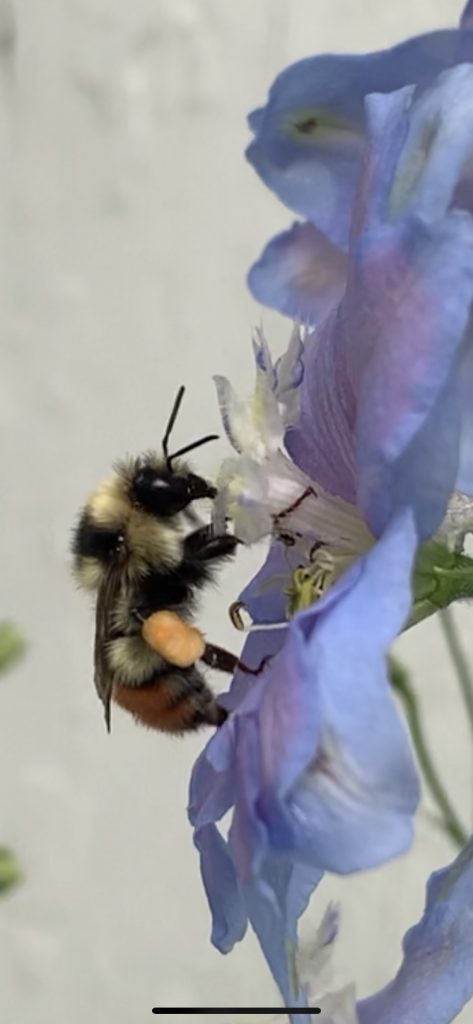



Current research trends point towards autistic students love of and skill with photography(Charalampopoulou et al.,2025).
Education
Master of Arts in Counselling Psychology
Yorkville University, Fredericton, New Brunswick (2023-2025)

Bachelor of Science, Mathematics, Data Science, Psychology
University of Victoria, Victoria, BC (2019-2025)
Computer Programming Languages: Python, R Studio, SQL, XML, HTMLDatabase Design: ERD, Visual Paradigm, Excel, MedAccess, MoodleCoding Software: NVivo
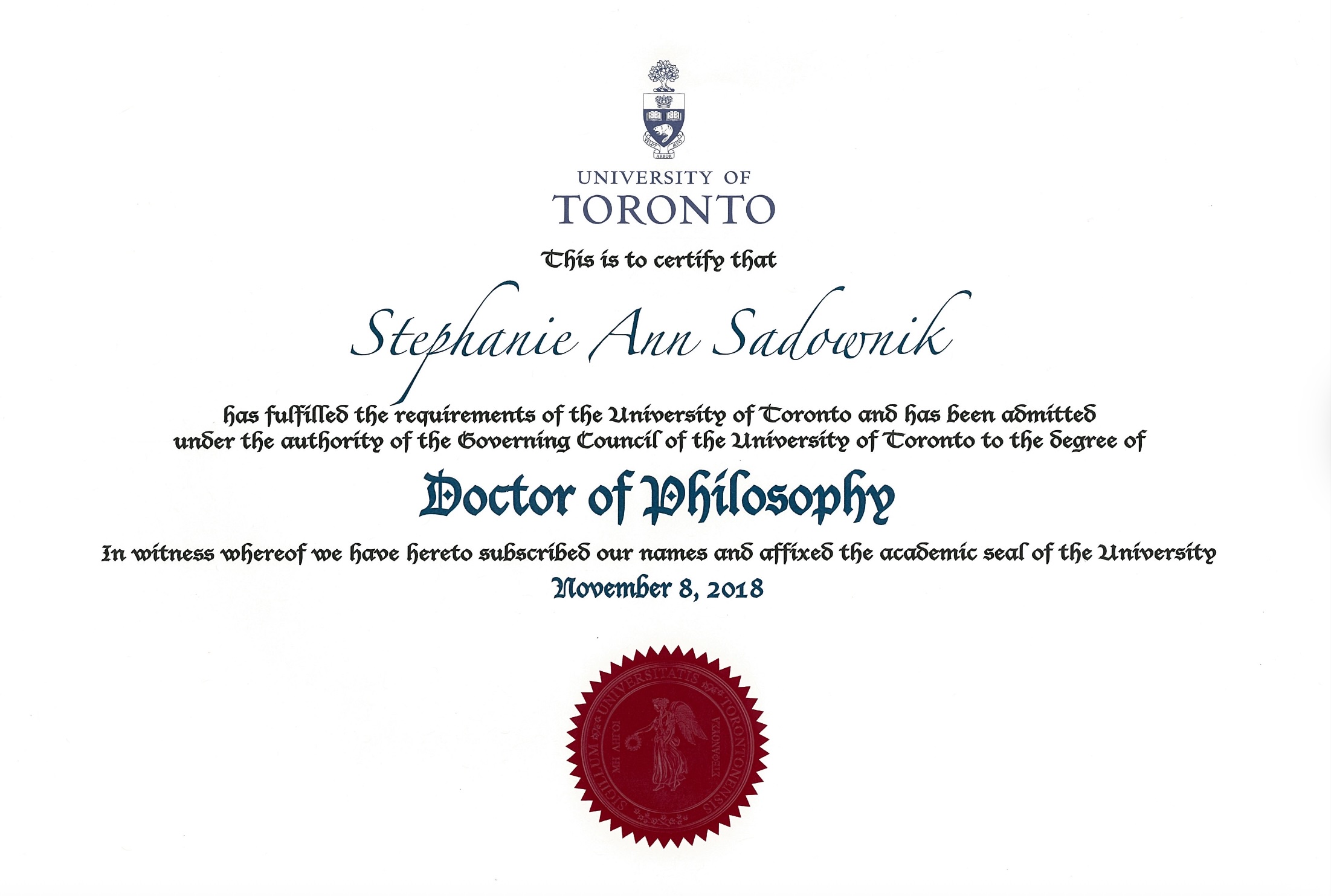
Doctor of Philosophy in Curriculum, Teaching, Learning and Knowledge and Media Design
University of Toronto, Toronto, Ontario (2014-2018)
Doctoral Committee: Doug McDougall(advisor), Jim Hewitt, Kathy Marks Krpan
Published thesis: Under Construction: Developing Mathematical Processes and Discourse Through Dialogue in Computer Supported Collaborative Learning Environments
https://utoronto.scholaris.ca/items/5b355141-f4fd-4c9a-aa09-b314ef196a13
Master of Arts in Educational Leadership,
University of Victoria, Victoria, BC, (2012-2013)
Masters Advisor: Catherine McGregor
Published thesis: ThingsIHate:You: A study of problematic social media discourse and how we as leaders can teach to mitigate the harmful practices and effects on today’s children
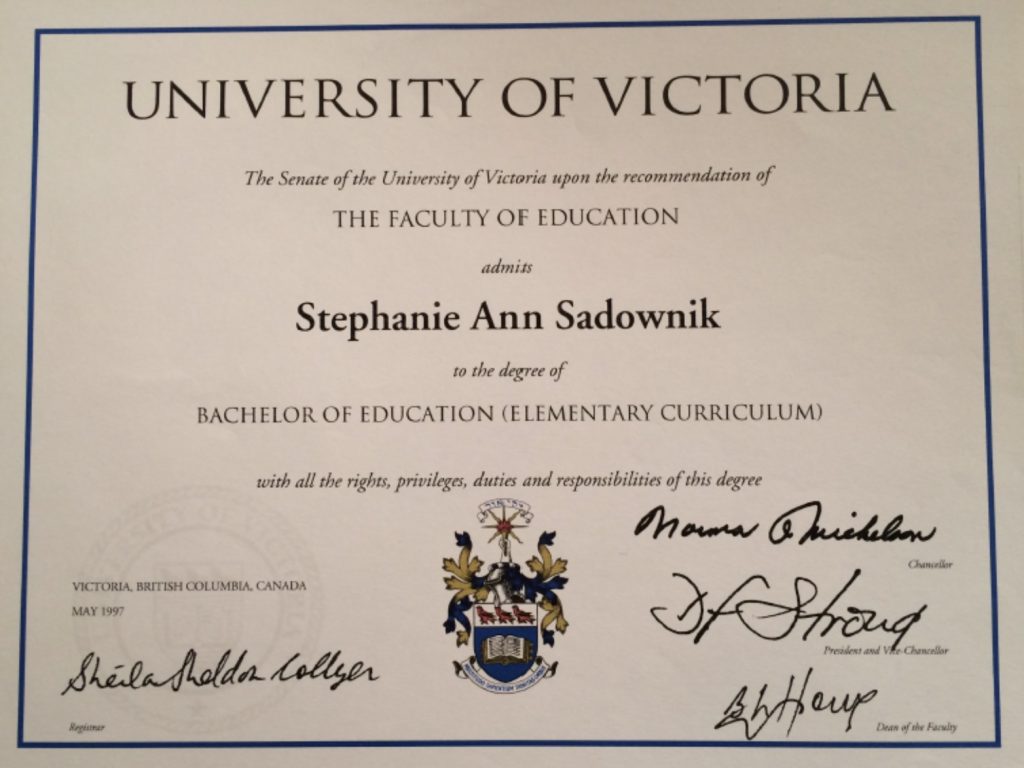
Bachelor of Education in Elementary Education
University of Victoria, Victoria, BC (1994-1997)
University of Lethbridge, Lethbridge, AB (1992-1994)
Mathematics, and Drama
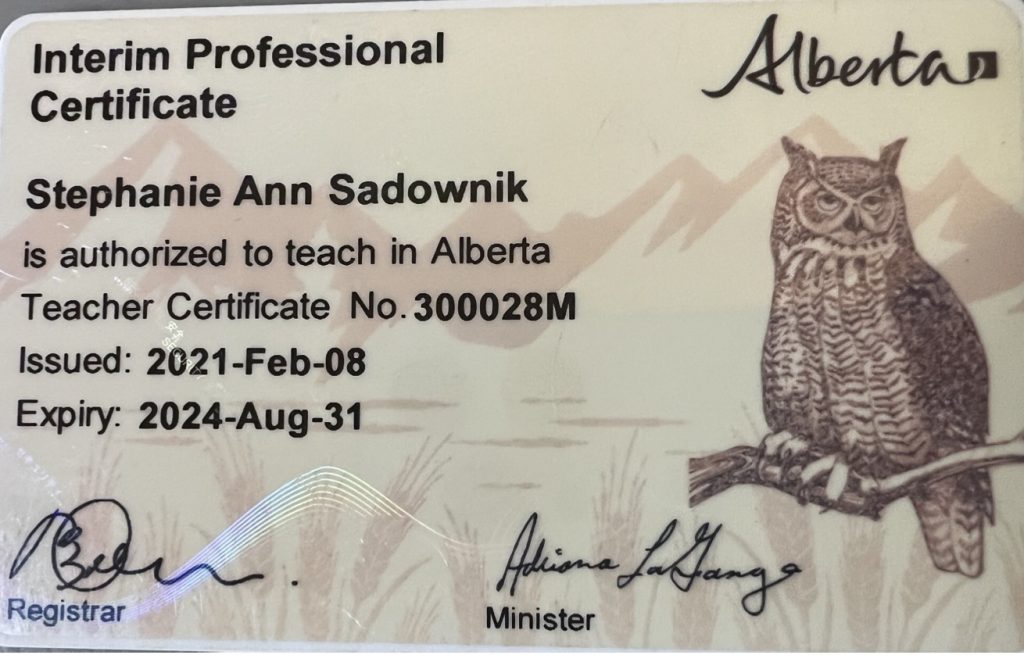
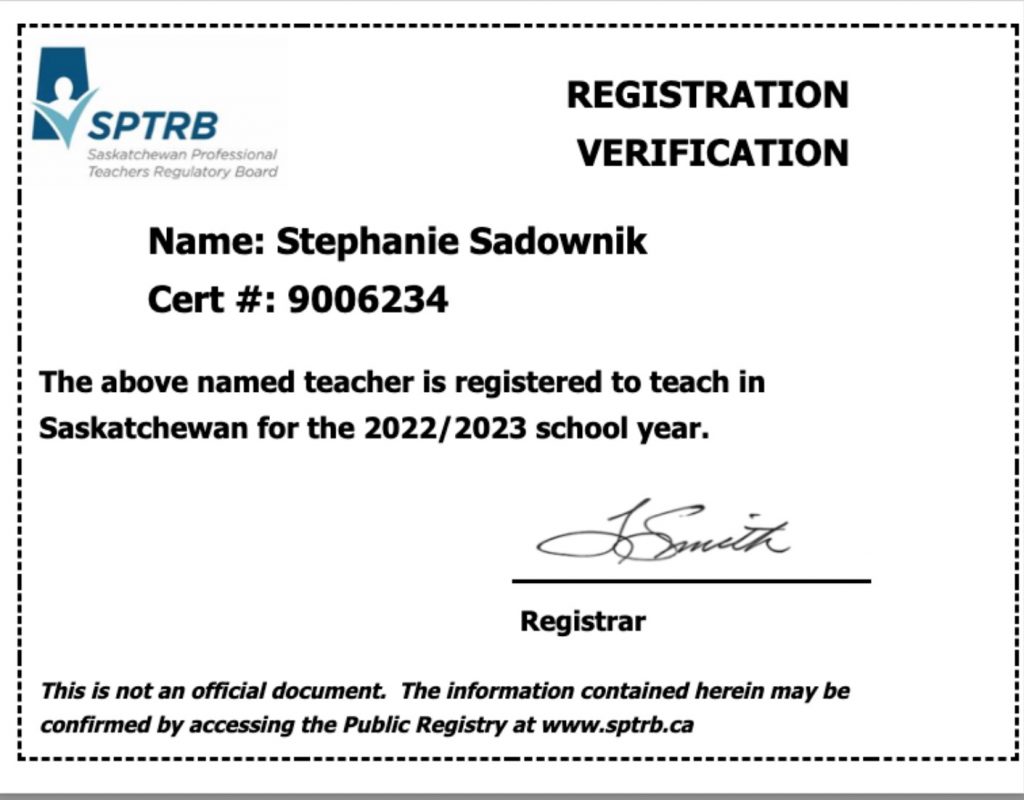
Teaching Experience


Funded Research
2016-2018- Principal Investigator- Cosmin Munteanu SSHRC Insight grant. Ethical Dilemmas During Field Studies of Emerging and Disruptive technologies.
Publications
Munteanu, C., & Sadownik, S. (2016). Ethical Dilemmas During Field Studies of Emerging and Disruptive Technologies- Is our current state of knowledge adequate? A report under the SSHRC Knowledge Synthesis Grant on: How can emerging technologies be leveraged to benefit Canadians?
Munteanu_EthicsEmergingTech_CompleteReport_2016-SSHRC-KS.pdf
Book Chapters
Munteanu, C., & Sadownik, S. (2019). Field Studies of Assistive Technologies for Marginalized Users. In Ageing and Digital Technology: Designing and Evaluating Emerging Technologies for Older Adults. https://link.springer.com/book/10.1007/978-981-13-3693-5
Sadownik, S. (2015). Social Media in the Classroom, In Proceedings from the International Conference for Bridging Gaps-Higher Education, Media and Society.
Peer-reviewed Proceedings
Sadownik, S. (2023). Can Teacher Awareness, Attitude and Identity Increase Technology Vulnerability?, Critical Race Technologies, Digital Media Pedagogies, and Online Education. American Education Research Association Annual Meeting “Interrogating Consequential Education Research in Pursuit of Truth” Chicago, Il.
Sadownik. S.A (2023).“Learning to Dance is Harder” : Aging Teachers’ Post-Pandemic Perspectives of Teaching Online During COVID-19. Examining the Impact of COVID-19 on Education Systems around the World. American Education Research Association Annual Meeting “Interrogating Consequential Education Research in Pursuit of Truth” Chicago, Il.
Sadownik, S (2022). Considerations for Program Planning of Pre-Service Mathematics Teachers.14th International Conference on Computer Supported Education.
Sadownik, S. (2022). Toxic Environment or Conflict of Interest- Issues of Surveillance in Education.World Education Research Association 2022: Cultivating Equitable Systems San Diego, CA.
Sadownik, S. (2019). Combining Teacher and Peer Status to Improve Online Communication. AERA 2019 Leveraging Education Research in a ‘Post-Truth’ Era: Multimodal Narratives to Democratize Evidence
Sadownik, S. (2019). The Effectiveness of Collaborative Group Assessment on Student Engagement in Mathematics. AERA 2019 Leveraging Education Research in a ‘Post-Truth’ Era: Multimodal Narratives to Democratize Evidence
Sadownik, S. (2019). Under Construction: Developing Mathematical Processes and Discourse Through Dialogue in Computer Supported Collaborative Learning Environments. Fields Institute of Mathematics -Proceedings of the Putting Women into the Equation, Toronto. http://www.fields.utoronto.ca/talks/Under-Construction-Developing-Mathematical-Processes-and-Discourse-Through-Dialogue-Computer
Sadownik, S. (2017). Creating a Social Ecological Model for Elementary Mathematics homework Proceedings of the 39th annual meeting of the North American Chapter of the International Group for the Psychology of Mathematics Education, p. 1341.
https://www.pmena.org/pmenaproceedings/PMENA%2039%202017%20Proceedings.pdf
Sadownik, S. (2015). Social Media in the Classroom. 3rd Annual Justice, Crime and Deviance: Regional Graduate Research and Networking Conference
Samaras, S. (2014). Project L.I.N.K.S. British Columbia Teachers’ Federation: Winter Issue 2014
Samaras, S. (2013). Social Media in Education Congress 2013- Canadian Communications Association