Found fragments
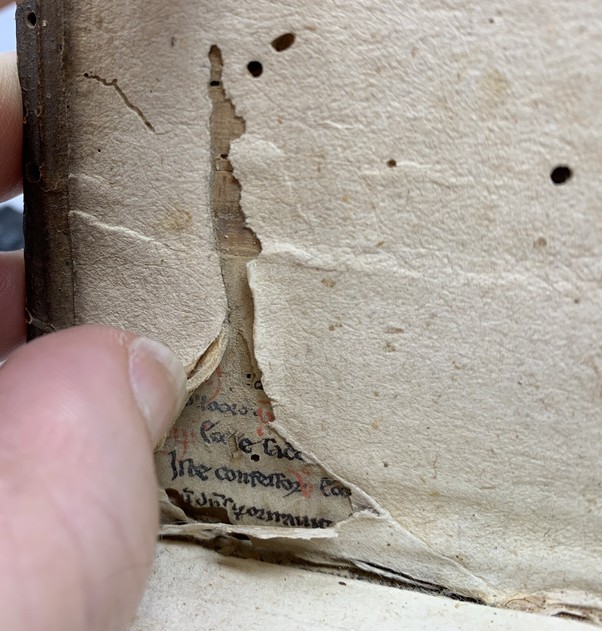
Before the advent of modern print production when books were hand produced, parchment from damaged or discarded manuscripts would be reused or […]
Digitization at UVic Libraries
Digitization at UVic Libraries
Before the advent of modern print production when books were hand produced, parchment from damaged or discarded manuscripts would be reused or […]
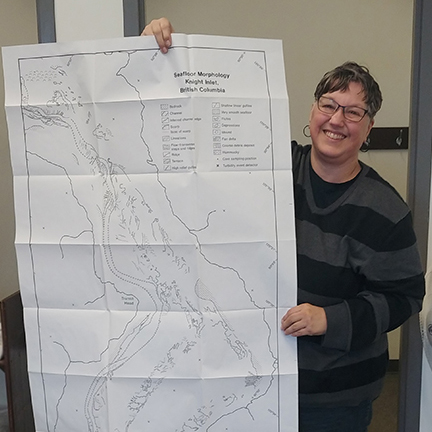
While the majority of the projects we work on can be accommodated on our equipment, some items are decidedly oversized and size does matter. How we approach them depends a little on the object itself but usually it means we need to scan the item in sections and digitally merge the files
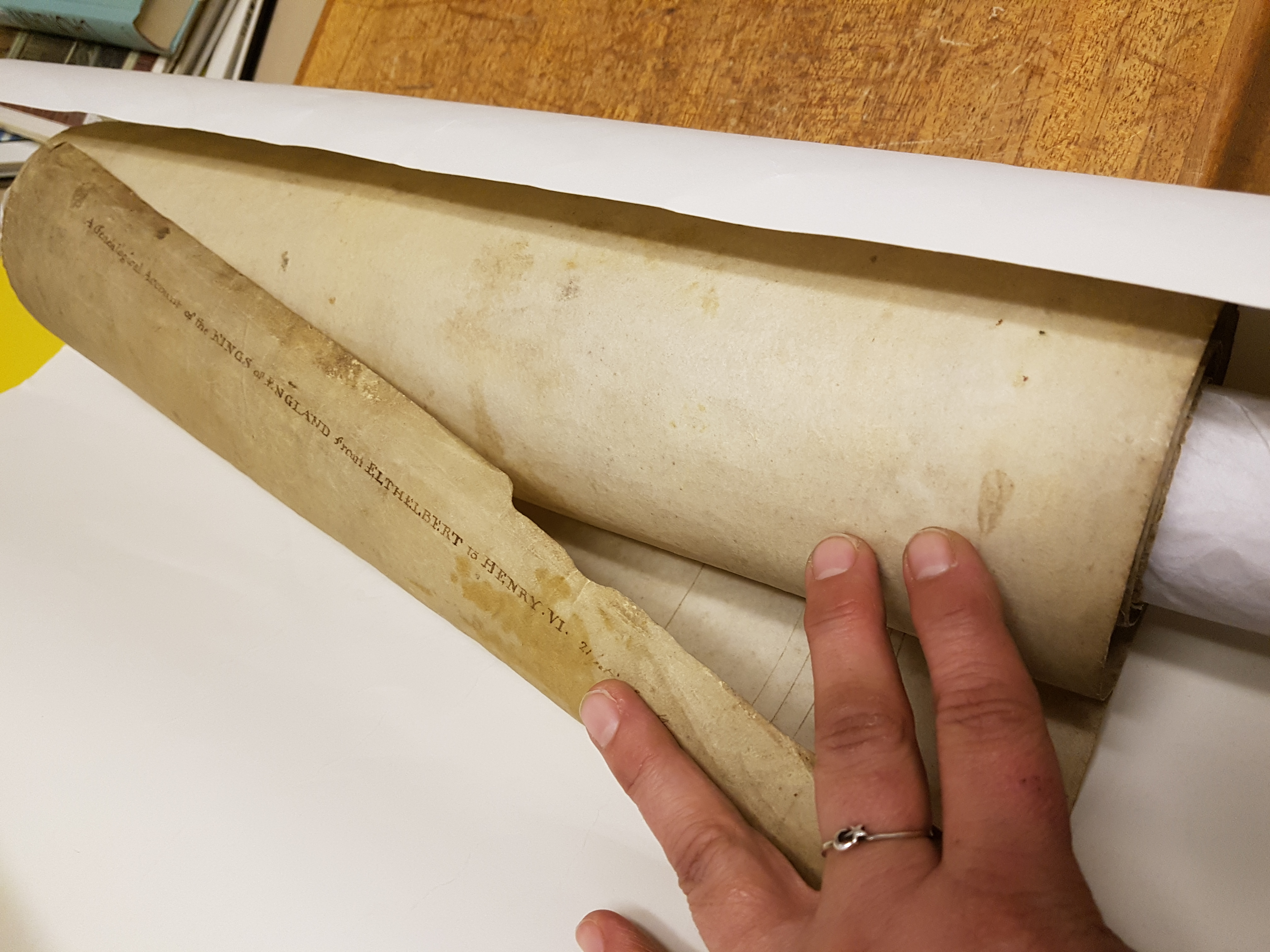
How does one scan a 21-foot scroll from the 15th century? Carefully, in short sections which are then digitally stitched together to form a whole representation of the original. In total there were 13 scans of the front of the scroll and one to capture the text on the reverse at the foot of the scroll (seen in the photo above). The original scroll is comprised of “9 membranes [of parchment] attached by glue” and they vary slightly in size.

While the majority of the material we digitize is in English, a significant number of items are not. The language used makes no difference in the image capturing and editing stages but it may require different decisions to direct the rest of the process. A translation can offer much greater access to a resource, it may also mean coordinating with scholars or language experts outside the library.

The Anarchist Archive contains plenty of guides and instructions on various forms of protest, from the most civil to the most disruptive. While the distribution of this information may be controversial, it offers considerable value to scholars.

What is it like to handle so many historical documents and artifacts? It’s a privilege and while I do sometimes discount the “newer” old items I handle, there are always things that take me by surprise.