
Blog Topics
The following are the topics I will be discussing in this blog:
- 1. PLN Space Through Social Media
- 2. Privacy, Ethics, and Security in Digital Spaces
- 3. Inclusivity and UDL in PLNs
- 4. Challenges & Importance of Diversity in Digital Learning
- References / Citations / Images
Also feel free to listen to the audio of the blog if you do not want to read! Enjoy!
1. PLN Space Through Social Media
A Personal Learning Network (PLN) is a group of people, digital tools, and platforms that we can connect with to learn and share knowledge in both personal and professional matters. These networks can be built through social media and online communities.
In what ways has PLN effected me?
Social media, online platforms, and peers have played a key role in shaping my PLN, especially in the last few years. Initially, I used platforms like Instagram and YouTube mainly for entertainment and social purposes. However, as I’ve grown older, I’ve become more mature and professional with how I use social media. I’ve realized that these platforms are great tools for learning, networking, and staying connected with communities that align with both my personal passions and professional goals.
How I Use My PLN for Personal Interests
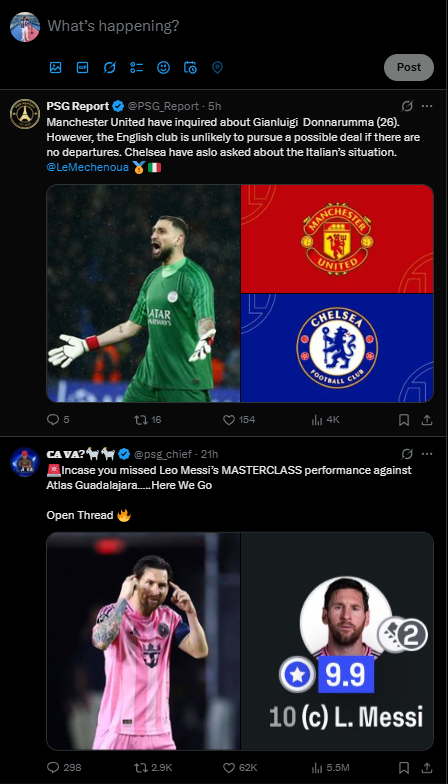
When it comes to my personal interests, especially football (soccer), platforms like Instagram and X (formerly Twitter) have had a big impact on my learning journey. I follow football analysts, sports journalists, and other football fans to stay updated on the latest news, strategies, data insights, and public opinions. These connections allow me to not only watch the game but also engage in discussions and analyze the sport from multiple perspectives. I also try to avoid being biased when expressing my opinion by reading information from multiple sources and comparing different views.
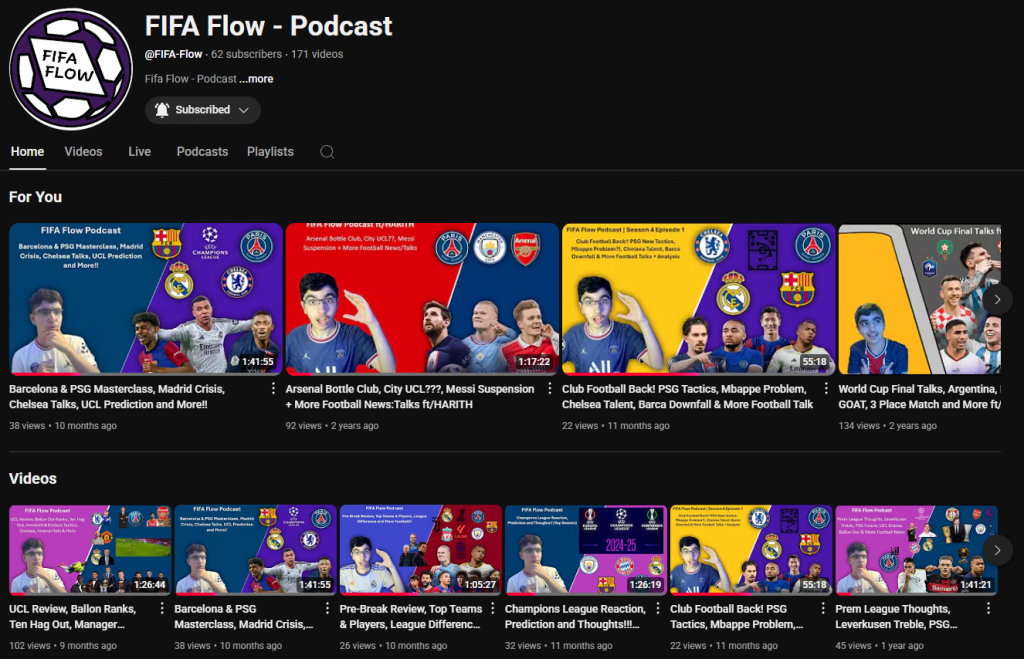
As I learned more about football from these platforms, I was able to apply my knowledge in videos when I started my football podcast in 2021, FIFA Flow Podcast. In this podcast, I wopuld discuss match results, go over team tactics, analyze and predict upcoming games, share my opinion on recent football news, and react to other public opinions. This experience has pushed me to think more critically and analytically, communicate my ideas clearly, and be more open both online and in person, especially since I used to struggle with anxiety about what others think of me.
How I Use My PLN for Professional Goals
My professional PLN has grown from my interests and family influence. Growing up, playing many video games, especially FIFA, which I enjoy despite the many issues, has brought curiosity to me about the complex and in-depth process that goes behind the making of the game. Furthermore, looking up to my mom, who has been a computer programmer for over 20 years, has inspired me to pursue computer programming studies at the University of Victoria.
I started my computer programming journey during my 11th grade at high school. I took one computer elective in 11th grade and two in 12th grade. Once I started my degree at the University in 2023, I started utilizing more tools to help in understanding course topics and further enhance my programming knowledge beyond course notes. YouTube tutorials and online forums such as Stack Overflow became part of my learning routine. I was able to learn new skills and see how others solve problems, then apply my knowledge to assignments and projects. These platforms were very important in my PLN and learning journey as I got to engage with a bigger community of developers and others who were on the same learning path as me.
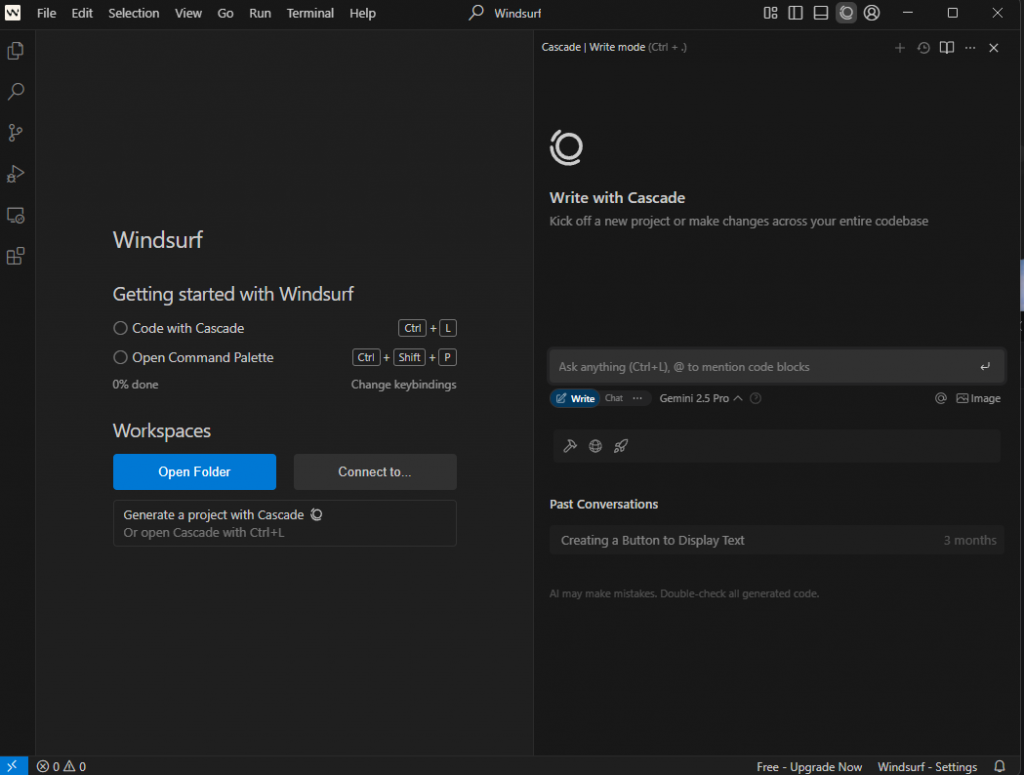
More recently, I have started using an application called Windsurf, which is an integrated AI tool within coding platforms such as Visual Studio. It has been useful in helping me write, debug, and most importantly, understand code. Tools like Windsurf are showing that AI is becoming a place for people to connect with and a part of modern digital learning. It has an impact on my Personal Learning Network by acting as a learning partner and assistant. It helps me with many of my problems and questions related to both my academic work and personal interests, such as projects and coding outside of school.
Overall, social media, online platforms, peers, and communities have had an impact on my Personal Learning Network in both my personal and professional life. Whether it’s discussing football opinions online or debugging code, my learning is influenced by my digital connection and how I use online platforms. As George Siemens says in his article “Connectivism: A Learning Theory for the Digital Age” [1]:
“Learning is a process that occurs within nebulous environments of shifting core elements – not entirely under the control of the individual. Learning (defined as actionable knowledge) can reside outside of ourselves (within an organization or a database), is focused on connecting specialized information sets, and the connections that enable us to learn more are more important than our current state
of knowing.” (pg. 5)
My PLN is connected to this statement as it shows that knowledge is not only something we learn individually but also something we can share through participation and engagement, both in person and across online digital platforms.
2. Privacy, Ethics, and Security in Digital Spaces
In today’s day and age, privacy, ethics, and security are very important components of digital life. These digital features help protect personal data and ensure that we can create a safe and respectful online space. As more people use digital platforms for communication, entertainment, learning, and work, we must understand how to manage our information and behave ethically online.
I try to protect my online privacy by never reusing the same passwords, especially for important platforms like my bank account and university login. I also enable 2 factor authentication to ensure extra security. Moreover, I also limit the application permissions, such as access to my location, camera, and contacts. Most importantly, I review what data they collect and how it is used. Since the beginning of the class, when our EDCI 338 course instructor Joshua Hotchin [2] mentioned that 81% of users express anxiety about how companies collect and use their data, it has alarmed me to change my mobile settings. Recently, I have been reorganizing my phone settings and cleaning up app data, but I still worry that much of my information has already been stored or shared online.
When it comes to ethics and online security, I find it annoying that there is misinformation being spread across the internet. Whether it is misleading football statistics or inaccurate academic content, false information can affect how people think about others and also how we learn. Even before I post and share content, I am aware that the content I share is respectful to those who view it. In our first lecture, Joshua Hotchin [2] mentioned an MIT study showing that false news spreads 6x faster than true news on platforms like X (Twitter). This not only harms public understanding but also critical thinking and digital literacy, which are two important parts of personalized learning.
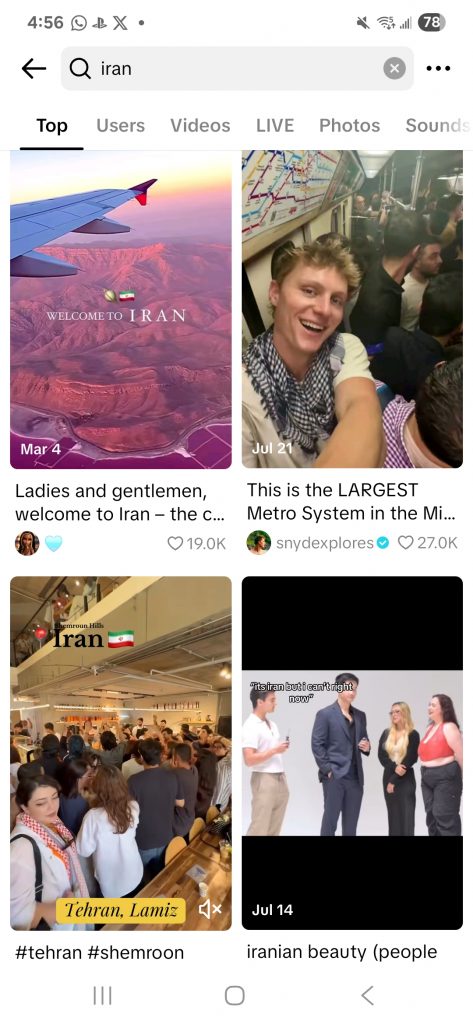
To further speak about misinformation, I also notice that a lot of online content is shaped by Western perspectives and controlled by the platform. As someone who is Persian and deeply connected to my culture, I often see Iran being represented negatively. I have never had the chance to visit Iran, but from videos shared online and stories from my family, I know Iran is a beautiful place with culture and history. While the government may have issues, the country and people are being misrepresented. This connects to the importance of digital ethics; not only is it about protecting personal data, but also being mindful of others and avoiding biased information. There are many scenarios where online spaces are not neutral; they are influenced by social, political, or corporate interests.
3. Inclusivity and UDL in PLNs
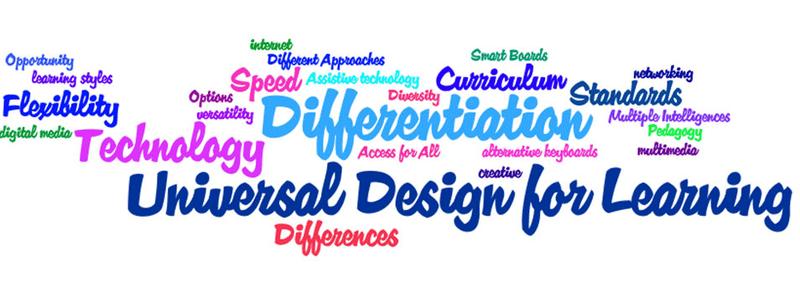
Universal Design for Learning (UDL) supports inclusivity in digital learning environments by ensuring that learning and content are accessible, engaging, and available to all types of learners. In the context of a Personal Learning Network, inclusivity means that we are connecting with individuals and content from diverse backgrounds, experiences, and perspectives. By applying UDL guidelines, both educators and learners can better support participation and engagement. There are 3 ideas that UDL is structured around: Engagement, Representation, and Action & Expression. Each idea has its own importance in making content accessible (Access), providing motivation and comprehension (Support), and effectively communicating and applying knowledge (Internal Function) [3].

The ideas of Engagement, Representation, and Action & Expression, as shown in the table above, represent the idea of diverse learning needs. For myself, these ideas have definetly influenced and continue to shape my Personal Learning Network, learning experiences, and learning journey. For example, when it comes to the idea of Engagement, I do my best to always stay motivated, positive, and connected by selecting topics and communities that interest me. This goes from staying connected with a football community, such as PSG fans, to academic communities and coding. As for Representation, I find content through various formats such as videos, articles, podcasts, PowerPoint slides, and even AI. Depending on what the topic is, certain formats of studying may apply better. For example, when it comes to computer programming, I would not listen to a podcast but instead watch videos and read online forums. Lastly, Action and Expression are the different ways I can share and express what I have learned, such as my football podcasts or a personal professional project in my field of study.
4. Challenges & Importance of Diversity in Digital Learning

Diversity in digital learning is important because it creates more engaging discussions, adds more valuable perspectives, and contributes to more learning experiences for all participants. When learners from different cultures, languages, and social backgrounds are connected, it encourages critical thinking and a stronger connection within learning communities. Moreover, having diverse viewpoints can stop assumptions, biased information, and clear everyone’s understanding of the world. However, challenges such as limited access to technology and language barriers can make participation difficult in digital learning.
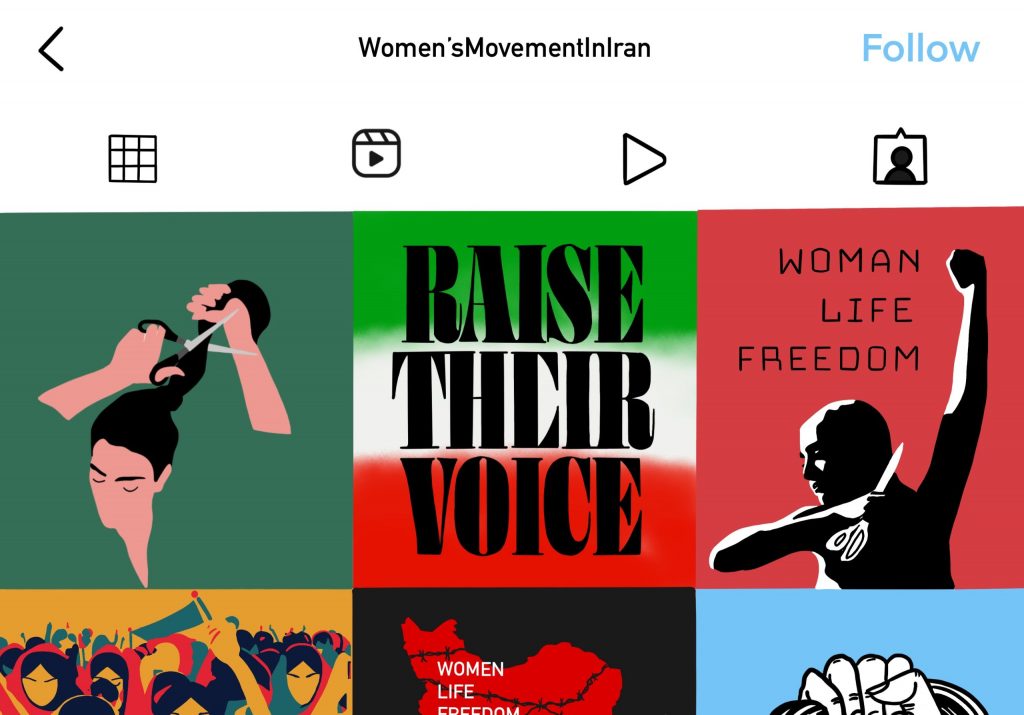
A major example, one that is personally meaningful to me, can be found in countries like Iran, where internet access is often restricted or shut down by the government, especially during political issues. Alongside the frequent power outages, these challenges make it hard for people to access digital learning platforms and share their voices online. As someone who is connected to the Iranian community, I understand that these barriers may prevent people from using online platforms. Despite these challenges, movements such as Zan, Zendegi, and Azadi (“Women, Life, Freedom”) show the important role of digital space when it comes to sharing your voice. These examples show why diversity and inclusivity are important in digital learning environments, not only for education but also for supporting freedom of expression and access to information. Although I did not include specific detail from the article, from the image citation above, I did read it and appreciated how it illustrated the strenght and courage of Iranian women using digial platforms to share their voice for womens rights.
References / Citations / Images
[1] Siemens, G. (2005). Connectivism: A learning theory for the digital age. International Journal of Instructional Technology and Distance Learning, 2(1). Retrieved from https://jotamac.typepad.com/jotamacs_weblog/files/connectivism.pdf
[2] Hotchin, J. (2025). EDCI 338: Week 1 lecture slides [PowerPoint slides]. Brightspace. Available only to students enrolled in EDCI 338 at the University of Victoria.
[3] CAST. (2024). Universal Design for Learning Guidelines version 3.0 [graphic organizer]. Lynnfield, MA: Author. Retrieved from https://udlguidelines.cast.org
[4] Siedow, S. (2024, May 1). How social media fueled the flames of Iran’s women’s rights revolution. The Minnesota Daily. https://mndaily.com/283908/campus-administration/how-social-media-fueled-the-flames-of-irans-womens-rights-revolution/
Image 1 – Screen shot example of my twitter page feed – Taken by Daniel Azarnoush
Image 2 – Screen shot FIFA Flow Podcast channel on Instagram – Taken by Daniel Azarnoush
Image 3 – Screen shot Windsurf Program – Taken by Daniel Azarnoush
Image 4 – Screen shot “Windsurf Program “Iran” search on TikTok – Taken by Daniel Azarnoush
Image 5 – (Post Featured Image & Image in Section 3). Universal Design for Learning (Alhambra Unified School District
Image 6 – CAST. (2024). Universal Design for Learning Guidelines version 3.0 [graphic organizer]. Lynnfield, MA: Author. Retrieved from https://udlguidelines.cast.org
Image 7 – Evanick, J. (2023, December 18). Digital inclusivity: Creating equitable online learning environments [Image]. eLearning Industry. https://elearningindustry.com/digital-inclusivity-creating-equitable-online-learning-environments
Image 8 – Siedow, S. (2024, May 1). How social media fueled the flames of Iran’s women’s rights revolution. The Minnesota Daily. https://mndaily.com/283908/campus-administration/how-social-media-fueled-the-flames-of-irans-womens-rights-revolution/
Final Notes:
Thanks for reading/listening to my blog post. If you have any questions or opinions, feel free to leave a comment. Make sure to check out some of my other blog posts related to academic studies and personal interests! Also check my social media links bellow to stay connected on other platforms!
Leave a Reply