
Sarah Marie Wiebe, PhD (University of Ottawa)
Dr. Sarah Marie Wiebe grew up on unceded Coast Salish territory in British Columbia, BC. She is an Assistant Professor in the School of Public Administration at the University of Victoria and an Adjunct Professor at the University of Hawai’i, Mānoa.
Her research focuses on community development and environmental sustainability. She is a Co-Founder of the FERN (Feminist Environmental Research Network) Collaborative and has published in journals including Critical Policy Studies, New Political Science, Citizenship Studies and Studies in Social Justice. Her book Everyday Exposure: Indigenous Mobilization and Environmental Justice in Canada’s Chemical Valley (2016) with UBC Press won the Charles Taylor Book Award (2017) and examines policy responses to the impact of pollution on the Aamjiwnaang First Nation’s environmental health. Alongside Dr. Jennifer Lawrence (Virginia Tech), she is the Co-Editor of Biopolitical Disaster and along with Dr. Leah Levac (Guelph), the Co-Editor of Creating Spaces of Engagement: Policy Justice and the Practical Craft of Deliberative Democracy. At the intersections of environmental justice and citizen engagement, her teaching and research interests emphasize political ecology, policy justice and deliberative dialogue. As a collaborative researcher and filmmaker, she worked with Indigenous communities on sustainability-themed films including To Fish as Formerly. She collaborated with artists from Attawapiskat on a project entitled Reimagining Attawapiskat which is a companion website to her recent book Life against States of Emergency: Revitalizing Treaty Relations from Attawapiskat. Sarah is also a Co-Director for the Seascape Indigenous Storytelling Studio, with research partners from the University of Victoria, University of British Columbia and coastal Indigenous communities. For more about Dr. Wiebe’s research see: www.sarahmariewiebe.com

E. Lorann Nuckols, PhD (Virginia Polytechnic Institute & University)
Dr. Erin Lorann Nuckols works on projects that include themes of care, cooperation, and collaboration. Dr. Nuckols is presently a teacher at the University of Victoria where they teach about social action, nonviolent communication, and regenerative environments.
Erin engages in research through relationships with the land, people, and non-human beings as a primary aspect of their personal and professional endeavors. Dr. Nuckols is currently working with Dr. Sarah Marie Wiebe researching extreme weather and sharing community voices with health policy makers throughout the Gulf Islands and the mainland of B.C.
Erin earned their PhD from Virginia Tech University which sits on Tutelo & Monacan land. Their research centered under-served, lactating parents on college campuses. This research explored the nuances of care within university structures for those unprotected by federal laws, the policies that impact access to lactation spaces on campus, and the physical environments as a place of meaning-making. Prior to this research, Erin worked and lived in Washington D.C. & Pune, India on projects related to health equity, policy, food sovereignty, supporting indigenous communities after forced removal for green infrastructure projects. Erin earned their Master’s in Public Health (2016) and Master’s in Arts, History (2013) on the unceded territory of the Arapaho, Cheyenne, and Ute Nations. During this time, Erin researched cultural foodways, disaster response, and gendered relationships to infrastructure. While earning these degrees, Erin also worked on city-scale projects for sustainable design and preservation. In their spare time, Dr. Nuckols volunteered at a refugee center, a shelter for unhoused community members, and local food banks. In 2010, Erin earned their Bachelor’s in Arts, History on an island at the mouth of Oso Creek.
Erin is a parent of one, an avid bicycle rider, enjoys a good music festival, and loves food. She makes earnest attempts at gardening, permaculture, and zero-waste living. Erin and their family live on the traditional territory of the Lekwungen-speaking peoples. They hope to learn more about the histories of the Songhees, Esquimalt, and WSÁNEĆ peoples and their communities on-going relationships to the land. In addition to Erin’s academic work, Erin also holds advanced certifications for teaching Yoga and meditation.
Kavita Nahal
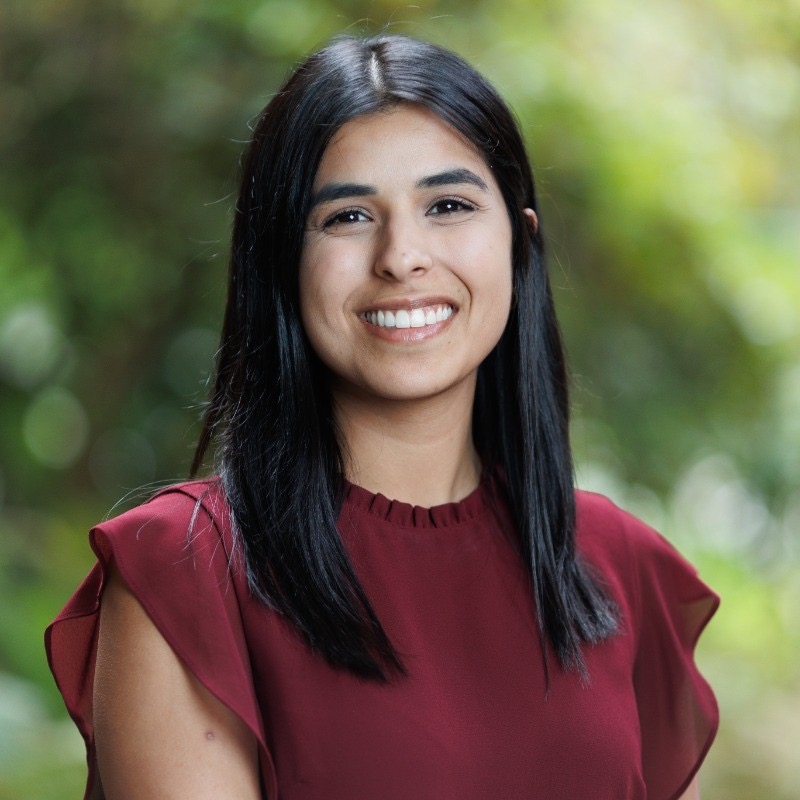
Kavita Nahal, BA (University of British Columbia)
Kavita Nahal is a Master’s student in the School of Public Administration at the University of Victoria.
She holds an undergraduate degree in International Relations from the University of British Columbia. She has diverse research interests including social environmental dynamics, reproductive justice, and harm reduction.