This post originally appeared on the CAMH blog. While this blog is from Ontario, many of the points are relevant here in BC, now that alcohol sales will soon be permitted in select grocery stores.
In the last few days we have heard about plans to permit the sale of beer and wine in grocery stores in Ontario. For the most part, media reports have made no reference to potential health and safety risks associated with the proposed changes. You would have thought that the reporters were talking about changing the distribution of milk or orange juice in Ontario. What about the possible increase in alcohol-related incidents or negative impact on vulnerable populations — is that not relevant to the discussion?
Alcohol is a drug with a long list of well demonstrated harms associated with its use. How it is sold, marketed and priced impacts the rate of alcohol-related problems. International research over many decades has shown repeatedly that if more alcohol is sold and appropriate checks are not in place, then more harm can be expected. These harms include a range of health and social problems impacting not only the drinker, but others in society. They contribute to the already high costs of alcohol-related hospital care (chronic and emergency), criminal justice responses, and productivity losses.
Currently in Ontario there are about 1,800 places where alcohol can be purchased to be consumed elsewhere, so-called ‘off premise’ outlets. This includes LCBO regular stores, LCBO Agency Stores, Ontario Winery, Beer Stores and a few others. According to media reports, the contemplated changes would add about 400 new outlets – 100 new Agency stores and 300 large grocery stores that would sell beer and wine. This is a 22% increase in outlet density.
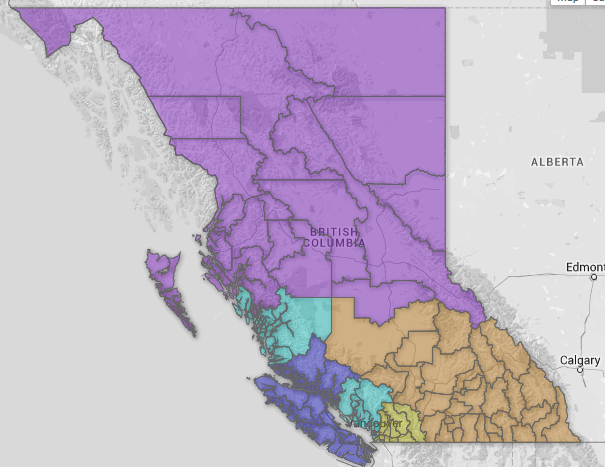
Canadian and international research has indicated that an increase in alcohol outlet density is associated with a wide range of acute and chronic problems. While there are many international examples to support this conclusion, a recent one from British Columbia is timely: researchers found that after an increase in private liquor stores (higher density) there was an increase in liver cirrhosis cases.
Once 300 grocery stores have a green light, will not the thousand or so others also lobby for the same access? What about convenience stores? We know from the examples of Alberta and BC that privatization of alcohol sales can result in more relaxed enforcement of laws pertaining to underage purchases – as well as higher mortality rates from suicide and other alcohol-related causes. The proposed plan is a very risky one. An alternative strategy should be developed in consultation with public health experts.
The challenges of eliminating Ontario’s deficit are likely substantial and will require innovative approaches and exemplary decision-making. As the provincial government attempts to raise revenues and “modernize” the sale of alcohol, it should focus on strategies that can achieve that aim without increasing the risk of alcohol-related harm. Possibilities include:
- Minimum prices on alcohol could be raised
- Product prices could be based on alcohol content, and taxation protocols could be adjusted, so that there is an incentive for production and consumption of lower-strength beverages
- Marketing expenditures by the LCBO could be reduced
- Further efficiencies can be introduced to the LCBO, such as using its buying power to get better prices from manufacturers and wholesalers
The course being discussed by decision-makers, in its current form, seems certain to contribute to an increase in alcohol-related harm and costs. We should encourage decision-makers to choose instead a course that fosters greater public awareness of alcohol-related risks and encourages the reduction of those risks. The health of Ontarians should come first.
Author: Dr. Norman Giesbrecht, Senior Scientist Emeritus, Public Health and Regulatory Policy Section
*Please note that the material presented here does not necessarily imply endorsement or agreement by individuals at the Centre for Addictions Research of BC.