
Why are BC high school students making healthier choices?

Teens sometimes get a bad rap for being careless with their bodies and minds. But according to McCreary Centre Society’s 2013 Adolescent Health Survey, published in February 2014, most of the 30,000 BC youth surveyed say they are healthy or very healthy (87 percent), and 8 out of 10 report good or excellent mental health (81 percent). The majority also said they feel cared for, competent and confident about their future.

Along with feeling good about themselves and their world, more young people are steering clear of alcohol and other drugs. Survey results show substance use rates have been declining over the last 10 years, and the majority of students in Grades 7 through 12 say they have never experimented with alcohol, cannabis (marijuana) or tobacco.
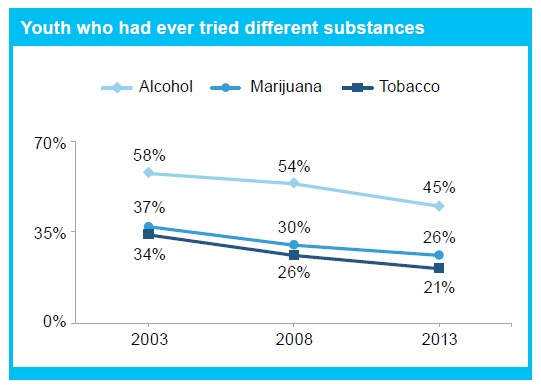
Image
Source: Smith, A., Stewart, D., Poon, C., Peled, M., Saewyc, E., & McCreary Centre Society (2014). From Hastings Street to Haida Gwaii: Provincial results of the 2013 BC Adolescent Health Survey. Vancouver, BC: McCreary Centre Society.

Part of what’s driving this decline is that young people are waiting longer before trying drugs. For example, 35 percent of young people who have ever tried alcohol waited until they were 15 or older (compared to only 20 percent in 2003), and of those who have ever tried cannabis, 41 percent waited until they were 15 or older (compared to 28 percent in 2003).

Equally positive, youth who are choosing to use alcohol or other drugs seem to be taking fewer risks. For example, 2 percent of those who had ever used alcohol said they had driven after drinking in the past month, down from 6 percent in 2008 and 8 percent in 2003. There was also a decrease in impaired driving among youth who had ever used cannabis, although 9 percent had done so in the past month.

So, why are BC youth making healthier choices? A number of protective factors seem to be at play including family connectedness. For instance, youth who felt their family paid attention to them were less likely to drive after drinking than those who did not experience such attention (2 percent vs. 6 percent). They were also less likely to have been a passenger in a vehicle with someone who had been drinking (15 percent vs. 33 percent).

Having someone to confide in seems to make a difference too. Students with supportive adults in their lives are less likely to have used alcohol (43 percent vs. 54 percent). And, among students who had tried alcohol, those with an adult they could turn to were less likely to report binge drinking in the past month (37 percent vs. 42 percent). Youth in government care who had a supportive teacher or other caring adult in their lives were also less likely to binge drink in the past month.

What exactly does this mean for parents, teachers and other caring adults in young peoples’ lives? Many teens are making healthy and positive decisions and we can continue to support and acknowledge the positive decisions they are making. For teens who are struggling to maintain their health or happiness, we can make a difference by reaching out to them. Finally, we must continue leading by example. By being happy and healthy adults, we show young people that health itself is a worthy life-long goal.

For more information about the results from the 2013 BC Adolescent Health Survey: http://www.mcs.bc.ca/pdf/From_Hastings_Street_To_Haida_Gwaii.pdf
Image

Author: Nicole Bodner, Centre for Addictions Research of BC

**Please note that the material presented here does not necessarily imply endorsement or agreement by individuals at the Centre for Addictions Research of BC
“Nothing About Us, Without Us”: the inclusion of people with lived experience in harm reduction decisions

The slogan “Nothing About Us, Without Us” has been a daily mantra and practice in harm-reduction work for some time now. It has become much more commonplace to include people with lived experience of drug use and harm-reduction services in decisions that affect their lives. Navigating the intricacies of their inclusion has been both awkward and rewarding. But why include people with lived experience? How is this done? And most importantly, what’s in it for them? In this blog, I address these questions and share the life-altering impacts I have witnessed and personally experienced.

So who are “people with lived experience”? In the context of harm-reduction work, they are people who use or have used illegal drugs or pharmaceutical drugs non-medically, usually by injection or smoking. But it’s not that simple. I am not talking about the Toronto Bay Street stock broker who enjoys a bit of cocaine on the weekend. I am referring to people who are marginalized because of a complex mix of drug use and other factors and life conditions. These may include factors related to their age, gender, sexual orientation, race, ethnicity, socioeconomic status, housing and homelessness status, life experiences of trauma and violence, or health conditions such as HIV and hepatitis C.

Our current drug laws have greatly exacerbated their exclusion from society. We criminalize people who use drugs, which fosters an anti-drug-user attitude and drives people away from services and social supports they may need. It also makes it difficult for service providers to reach them. We undervalue services for people who use drugs and poorly fund their care, treatment and support. We are reluctant to educate people about safer drug-use practices and to provide sterile drug use equipment, especially in prison.

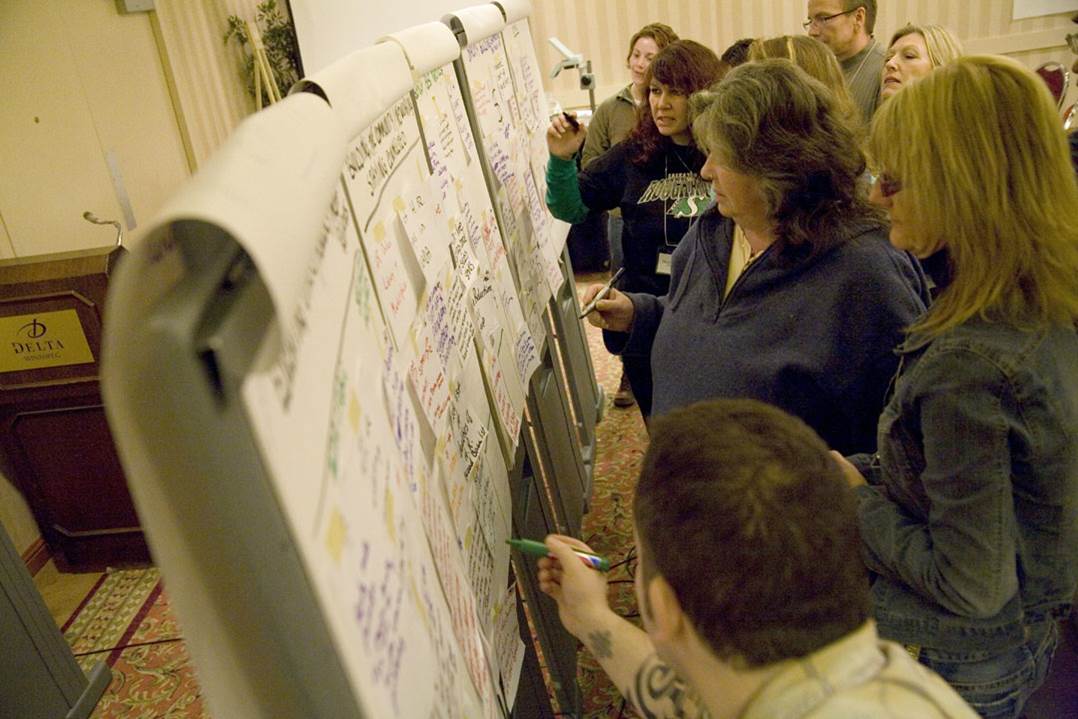
Engaging People with Lived ExperiencePolicy makers, service providers and researchers are experimenting with creative and innovative ways to include people with lived experience in decisions that affect their lives. The idea is that by bringing them into decision-making structures (committees, boards of directors, service delivery and research teams, etc.), we become allies by sharing the decision-making power, all the while striving to relate to each other in non-discriminatory, non-stigmatizing ways.

Research shows that including people with lived experiences has kept their priorities and needs in focus and resulted in better adapted services, the reduction of drug-use risk behaviours, and has played a role in improving life conditions, health and wellbeing. It has also provided people with lived experience with opportunities to reclaim their capacity to lead a self-determining life, something many of us more privileged people take for granted.

By working together, we learn about each other, bring our various strengths to the table, challenge our assumptions about each other, and reflect on how we interact, which leads to reduced stigma and improved rapport. People with lived experience come to view themselves more positively, inspire their peers, get meaning and a sense of purpose to help others and gain valuable life skills. The bottom line is we are all transformed by this experience.

Don’t get me wrong. Changing our societal ways and decision-making power structures is challenging. There are few models on how to include people with lived experience well and meaningfully. There are still barriers to their participation such as economic inequities, stigma and discrimination, limited resources and diverging agendas between various people at the table. People with lived experience often face health, financial and life priorities that make their participation challenging.

I am currently partnering with both the Drug Users Advocacy League and the Society of Living Illicit Drug Users for my PhD research to examine how decision-making power is shared in such committees. We aim to come up with some insights and helpful practice guidelines to assist all of us in better including people with lived experience.

People with lived experience are part of our communities. “Nothing About Us, Without Us” includes ALL of us.

head shot Lynne

Author: Lynne Belle-Isle is a PhD candidate in the Social Dimensions of Health Program at the Centre for Addictions Research of BC at the University of Victoria. She is a National Programs Consultant with the Canadian AIDS Society and the Chair of the Canadian Drug Policy Coalition.

**Please note that the material presented here does not necessarily imply endorsement or agreement by individuals at the Centre for Addictions Research of BC