
In the SEL Lab, we use field observations and draw on Indigenous and local knowledges to understand the impact of climate change on arctic and mountain ecosystems. In practice, this means that projects are done in partnership with local communities to support stewardship initiatives and cultural practices.
Impact of climate change and recreational activities on mountain systems
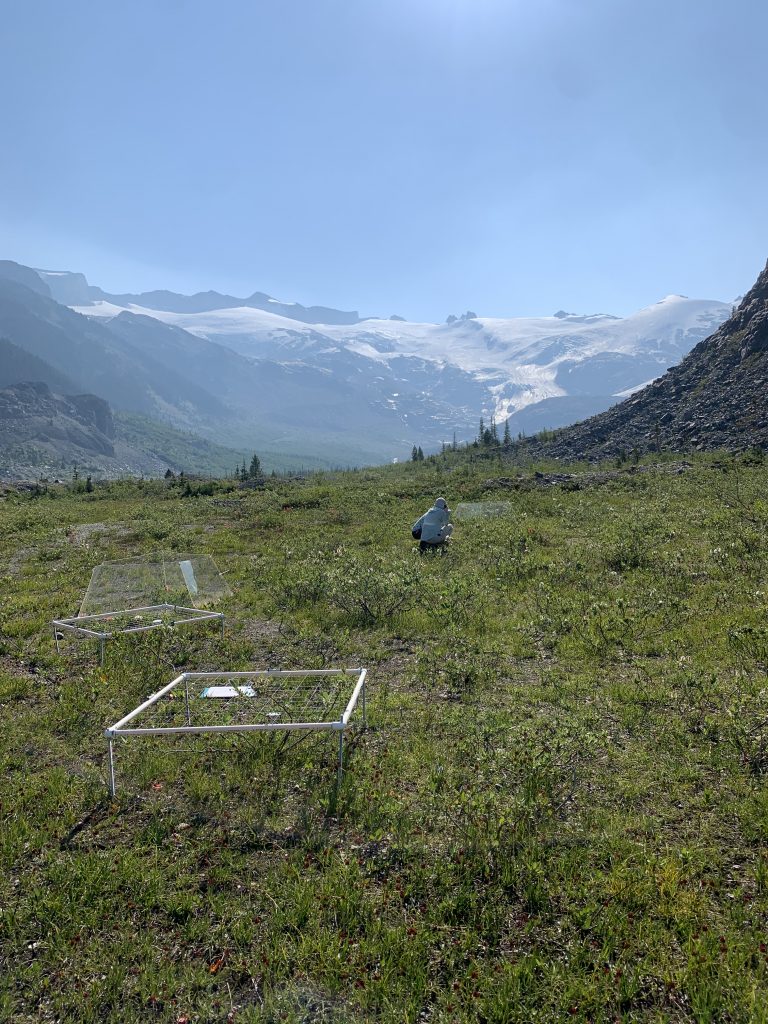

Alpine research is conducted on the unceded traditional Sḵwx̱wú7mesh territory.
In collaboration with partner organizations, the Alpine Horizons research project focuses on identifying vulnerable ecosystems and co-developing integrative assessment tools to inform management decisions in the southwest Coast Mountains.
Impact of climate change on berries in the North
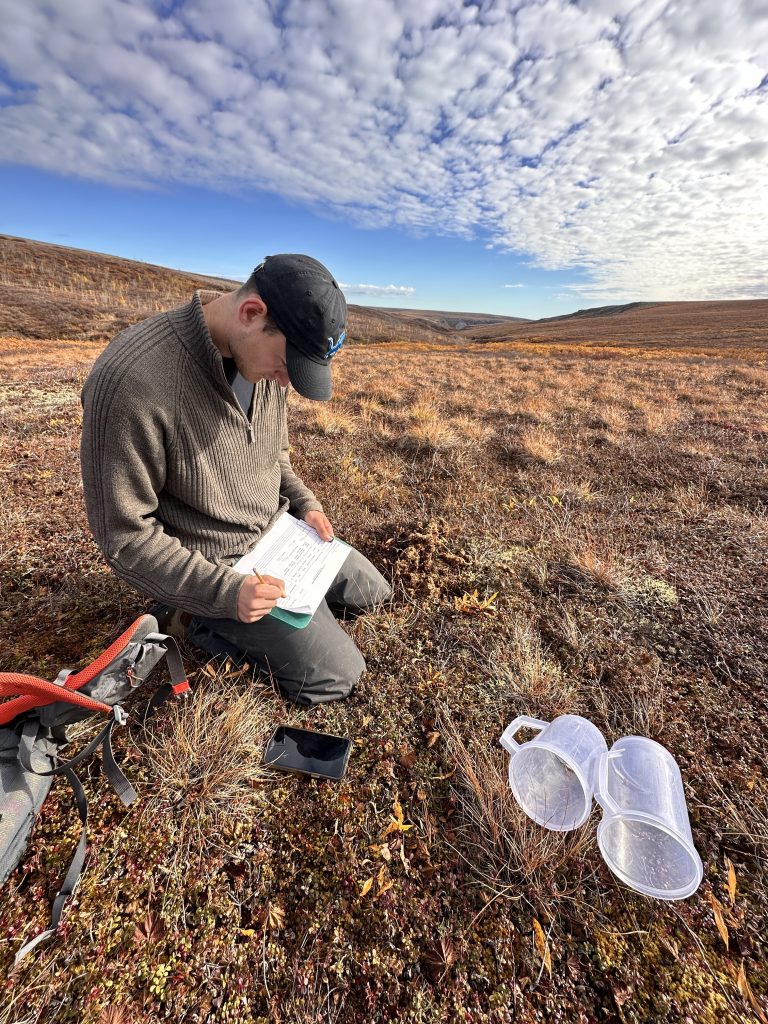

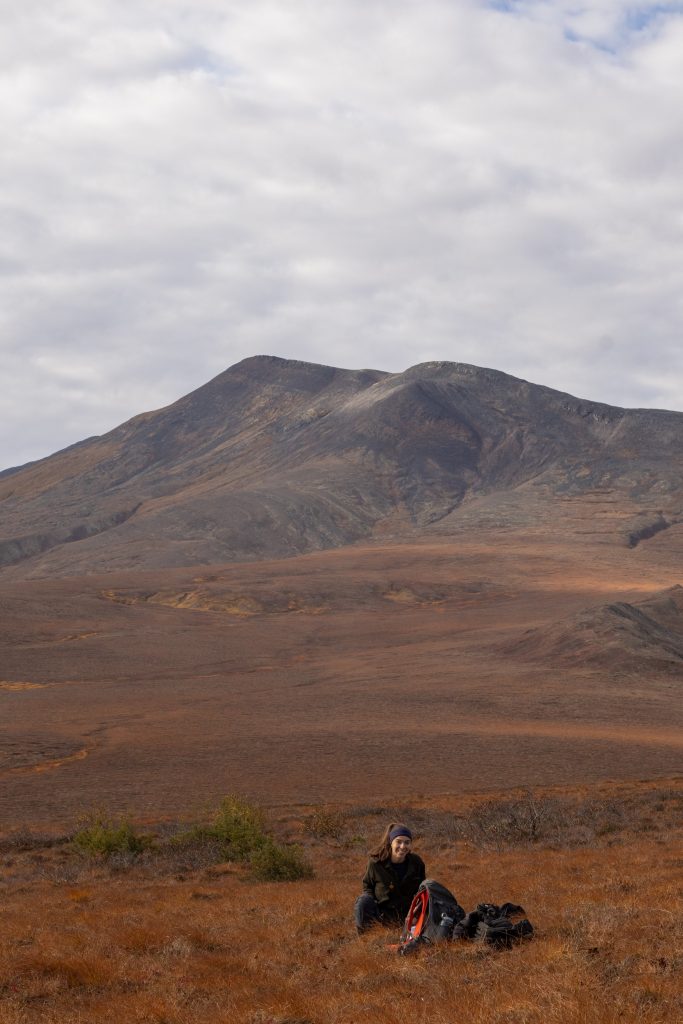
Current work in the NWT, is co-led by Claire Singer and Dr. Erin Cameron (SMU), guided by an Indigenous Advisory Committee. Interviews with local land users were conducted throughout the territory to assess the impact of climate change on important berry species. These findings will notably support assessment under the the NWT Species at Risk Act. Current research in the SEL Lab is notably using spatial data collected during the interview to assess the distribution and abundance of berries in the Gwich’in Settlement Area.
Berry productivity in Inuit Nunangat
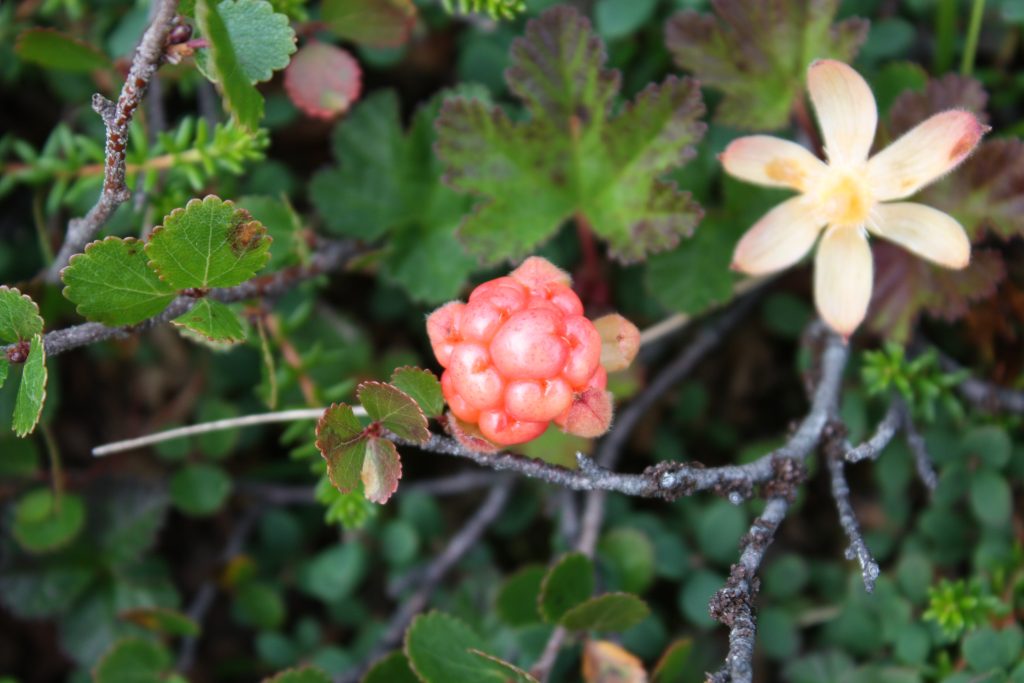

Since 2008, Northern residents, students and researchers have been monitoring the abundance of berries in Inuit Nunangat, an area composed of the Inuvialuit Settlement Region, Nunavut, Nunavik and Nunatsiavut. More than 15 years ago, communities expressed interest in collaborating to understand how berry abundance and quality are changing as the Arctic warms. The species monitored include blueberries, cranberries, crowberries and cloudberries, all important for harvesting and food sovereignty across the North. The abundance of these berries throughout the last 15 years is visualized on the Dashboard, which also allows researchers and community members to add to the data at any time.
Plant-herbivore interactions in Iceland
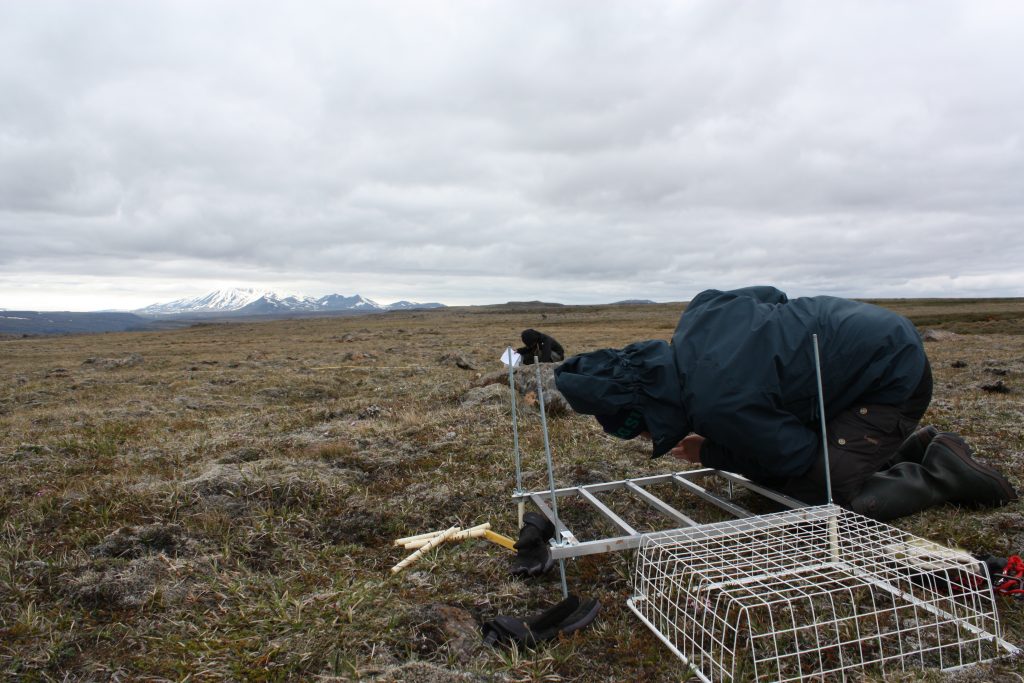
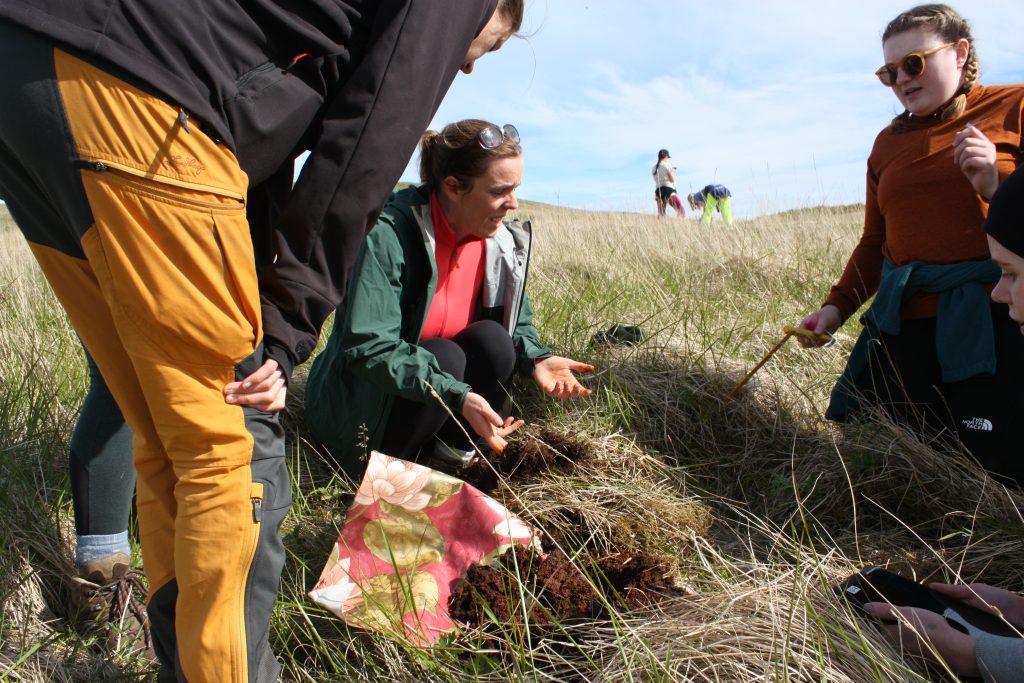
Mountainous regions of Iceland are used as rangelands for domestic sheep during the summer. Current and historical grazing have shaped vegetation communities in these regions. Current research is conducted in partnerships with local governing agencies, the University of Iceland and the Agricultural University of Iceland.
Research in Iceland is investigating the relative impact of wild and domestic herbivore on vegetation using fecal pellet count and exclosure experiments while documenting sheep farmers’ knowledge of environmental changes.