Associate Professor, Public Administration, University of Victoria | TamaraKrawchenko@Uvic.ca
We all have our motivations for doing what we do. In my case, I grew up in a Ukrainian-Canadian community in Edmonton, Alberta on Treaty 6 territory and upon Ukraine’s independence in 1991, began splitting my time between Canada and Ukraine. This became, for me, a study in contrasts and deeply impressed on me the importance of good governance and capable public administration as foundations for economic development, wellbeing, and human dignity.
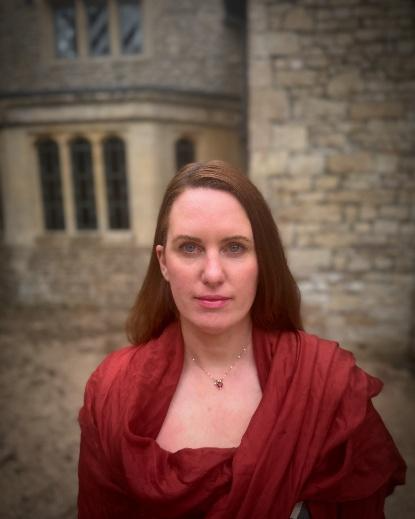
Throughout my career, I have worked with diverse countries, regions, and communities to understand governance systems and help design public policies that make a positive difference and reduce territorial inequalities. I particularly champion the development ambitions and needs of rural, remote and Indigenous communities in my work, for whom prevailing policy logics are often inadequate.
After earning a PhD in Public Policy and Political Economy from Carleton University, I built expertise across academic and policy environments in Canada and abroad, working for the Organisation for Economic Co-operation and Development (OECD), the Canadian public sector, and in various academic roles. My trajectory has always been rooted in bridging scholarly inquiry and real-world policy impact.
I am sustained by the opportunity to work across sectors, bringing together academic, governmental, and civil society partners to develop pragmatic, evidence-informed solutions to complex problems.
At the OECD (2013-2019), I led/co-led comparative studies on land use governance, regional and rural development, innovation, and Indigenous economic development involving more than a dozen countries. I’ve advised governments on pressing challenges including decentralization, rebuilding public institutions after conflict, regional planning for equitable growth, and designing place-based economic transition strategies. Experiences such as supporting Ukraine’s decentralization process, exploring economic diversification in rural British Columbia, and collaborating with researchers in Ireland on just economic transitions have strengthened my appreciation for comparative learning and the need to tailor public policy to unique social and cultural contexts.
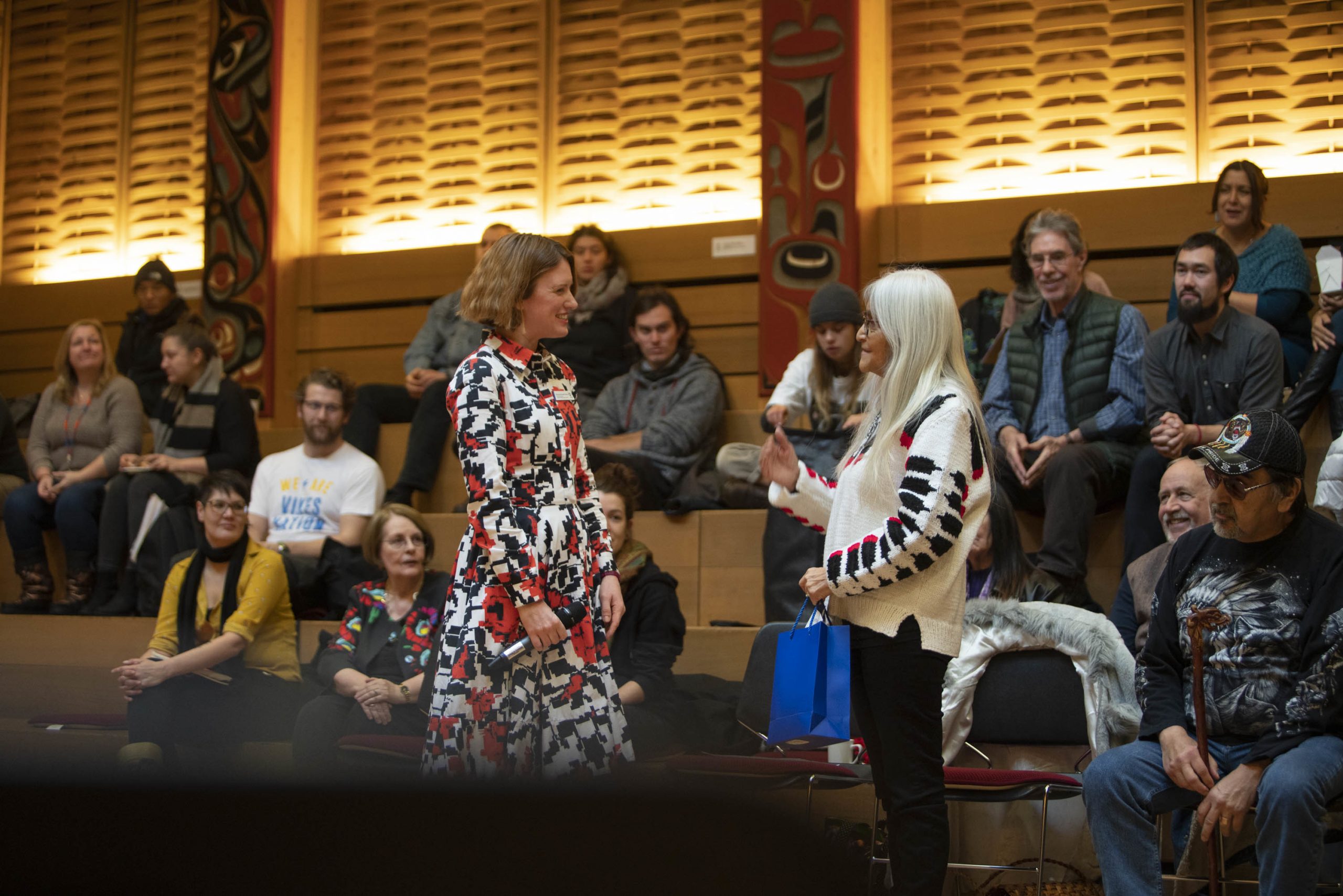
Since joining the University of Victoria in 2019, I have immersed myself in institution building and collaborative research leadership. As Associate Professor, Chair of the Local Governance Hub, and Strategic Research Area Lead for UVic’s CFREF-funded Accelerating Community Energy Transformation initiative, I have played central roles in interdisciplinary research programs and major funded projects. I have co-designed new curricula—such as the interdisciplinary Coastal Climate Solutions Leaders program at UVic—and supervise graduate students whose research advances regional and rural development, energy transition, and Indigenous policy. This year I’ve joined the Institute for Research on Public Policy as a Visiting Scholar, contributing to their program of research on Community Transitions. I serve on the board of Ecotrust Canada and advise Canadian and international agencies as an expert on sustainability transitions.
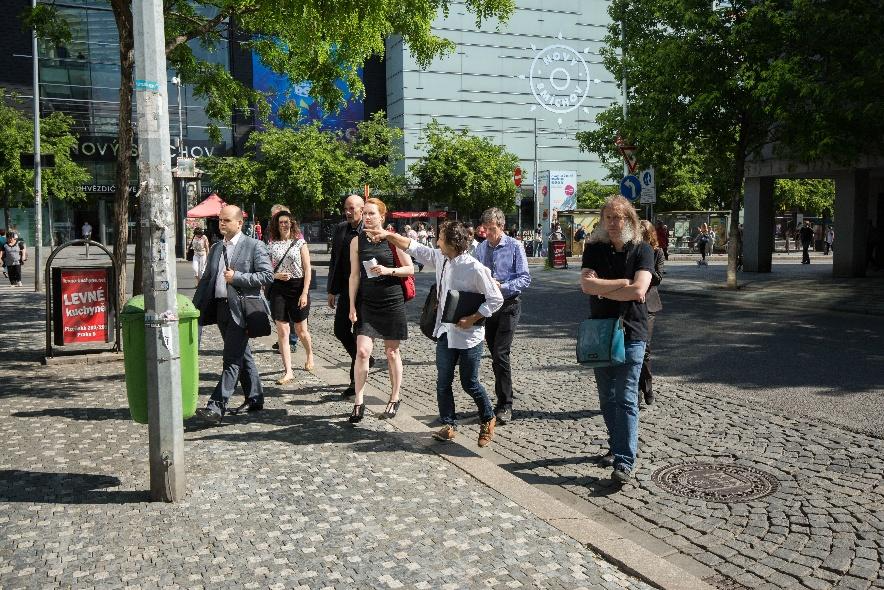
My recent work explores just and inclusive transitions, including international guidance on social sustainability and justice indicators for the World Bank, as well as comparative frameworks for regional governance and climate transition policy used in Canada, Europe, and beyond. I’m presently co-leading CRFEF-funded research on community energy policy including research across Northern British Columbia (with ACET) and SSHRC-funded research on industrial policy in Canada and the UK.
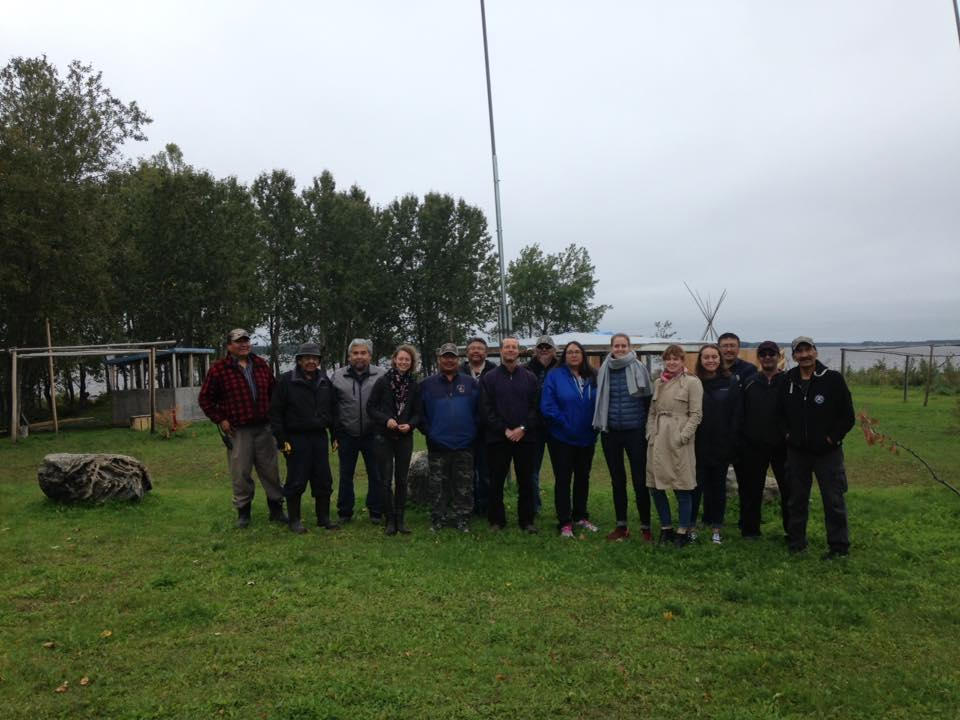
My scholarship is place-based: I am committed to engaging with communities to co-produce knowledge, prioritize local capacity building, and emphasize the lived realities behind policy outcomes. I hold a deep conviction that people deserve to live a life of dignity and wellbeing no matter where they live.