Category: Blog Posts EDCI 335

  • Design for Inclusion- Post #3 (EDCI 335)

    Design for Inclusion- Post #3 (EDCI 335)

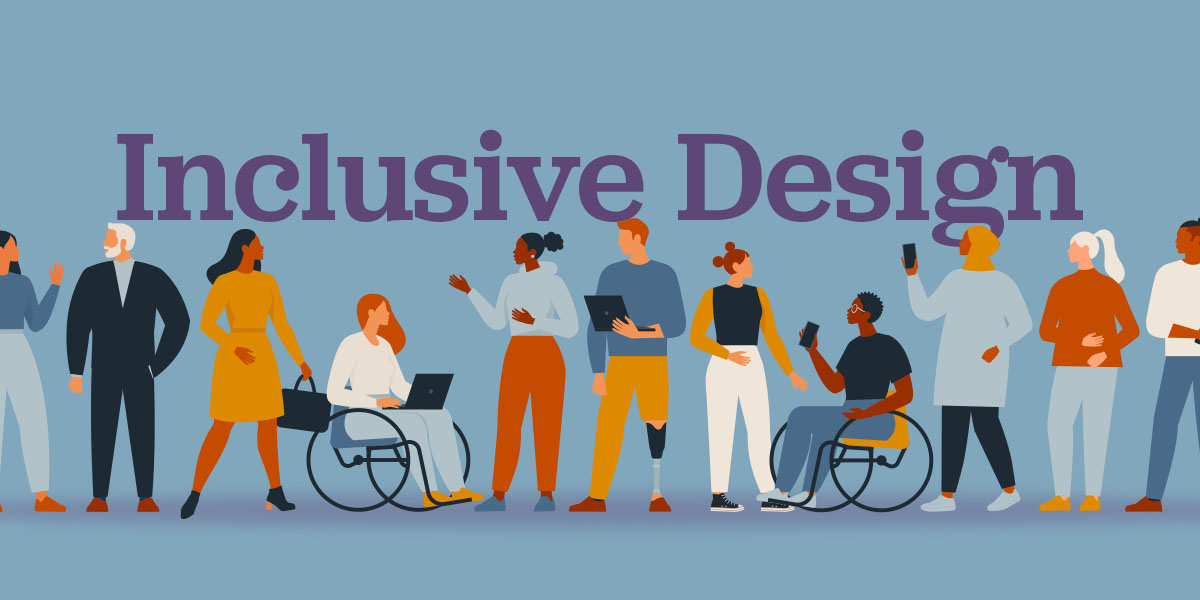
    Overview

    It is important that content is accessible and engaging for all learners. No matter the form that the content is presented in, it requires designing a learning experience for the learners’ needs. Inclusive learning design emphasizes that students may learn in different ways or that content may not be accessible to them. As Meyer, Rose, and Gordon (Citation 1) explain in their paper, Universal Design for learning: Theory and Practice:

    “What is essential for some is almost always good for all” (p. 51).

    This idea highlights that accessibility is not about making content “easier”. Instead, it’s about providing multiple ways for students to engage with it. For example, including audio or videos for learners who may have trouble hearing or reading while also supporting students who may have different learning needs, maybe no learning needs, is an important idea when thinking about how to design for inclusion. Moreover, content may not be available to people who lack access to the internet or digital tools. In these cases, providing alternative formats, such as printed guides or offline resources, ensures that learning opportunities are not limited. In this way, it ensures that content becomes more valuable, accessible, engaging, and inclusive for all learners.

    How Our Project Is Designed for Inlcusion & Diverse Learner Needs

    UDL Guidelines Framework retrieved from: http://udlguidelines.cast.org/binaries/content/assets/udlguidelines/

    Our interactive AI prompt learning module is a WordPress site, designed to help people understand and create effective AI prompts. This site is structured into several sections for instructions, overview, practices, assessment, and reflection. Navigation through our site is also simple with “Back” and “Continue” buttons to move between our learning modules, and all resources, such as written guides and examples, are organized. This structure allows learners to progress at their own pace and engage with the content in multiple ways.

    We made sure to include multiple means of learning by following the UDL Guidlines Framework.

    1. Multiple Means of Representation: We provide examples of good and bad AI prompts and their outputs, online academic papers on our subject which learners can read, and written instructions for learns to follow through our theory page, activity, assessment, and reflection sections. This ensures that content is accessible visually and through text-based guides, accommodating different learning needs.
    2. Multiple Means of Action or Expression: Students demonstrate their understanding by creating their own effective AI prompts after analyzing examples and learning tips. They also reflect on their outcomes and participate in group activities, allowing them to apply their knowledge in multiple ways and express their learning through creation and collaboration.
    3. Multiple Means of Engagement: Learners interact with the module at their own pace allowing them to spend more time on sections they may find challenging. They also receive feedback on actitivites by comparing their responses to our suggested notes, which encourages them to continue learning. Group activities and reflection sections also creates for collaboration, discussion, and group learning allowing sutdents to learn from each other’s views.

    Addressing Potential Barriers

    While we did our best to ensure that our interactive AI prompt learning module is designed to be inclusive for all types of users, there are some potential challenges some learners may face. One key issue is accessibility for students who may have trouble reading. Unless you are learning our module with another person, people with these troubles will have difficulties following along since our learning module is all text-based. We could solve this by adding audio guides throughout each section to help students. Moreover, we also do not provide many visuals or videos for those who learn better by watching. Lastly, one key issue is accessibility for students with limited access to the internet or digital tools. Our learning module is an online-based resource which requires internet access. Providing downloadable PDFs for offline use or printable physical copies can make our content accessible to others. By addressing these issues and providing ways to solve them, we can make the learning module more inclusive and accessible for people’s diverse learning needs.

    References

    Meyer, Anne, et al. Universal Design for Learning: Theory and Practice. CAST Professional Publishing, an Imprint of CAST, Inc., 2014, UDL Theory Practice, retrieved from: udltheorypractice.cast.org/

  • Learning Design: Direct Instruction – Post #2 (EDCI 335)

    Learning Design: Direct Instruction – Post #2 (EDCI 335)

    Overview

    Direct instruction is a teacher-centered learning approach that focuses on the style of learning, incorporating clear goals, learning objectives, and structured lessons. This learning design method guides students through step-by-step instructions to develop new, specific skills and ideas. This approach is effective for teaching foundational skills and for learners who benefit from clear explanations and frequent feedback to ensure they are learning and understanding correctly. A common practice of this learning approach is known as the ‘I do, We do, You do’ method.

    Key characteristics of direct instruction include:

    • Structured lessons: Lessons are planned and structured in a logical order that starts from simple to more complex theories or skills
    • Learning Style: First, the teacher explains the concept (“I do”), then does step-by-step practice problems with students (“We do”), then provides students with resources and practice problems to complete individually (“You do”)
    • Frequent Feedback: Learners are assessed through questions, exercises, or quizzes either in class, online assignments or during labs/tutorials

    To better understand, lets go over the various ways that direct instruction can be implemented in a learning environment:

    Form of Direct InstructionHow it works
    Teacher Modeling (“I Do”)The teacher shows examples of the skill or concept step by step
    Guided Practice (“We Do”)Students practice with the support of the teacher, by asking questions and receiving feedback
    Independten Pracitce (“You Do”)Students practice on their own to build on their knowledge of the subject
    Structured LessonsLessons follow an order to teach, from basic to advanced concepts
    Frequent AssesmentSmall quizes, daily excersies or weekly labs/tutorials for practice
    Immediate FeedbackTeachers provide feedback for those who are misunderstanding the skills or concept
    Digital LearningOnline lectures, interactive platforms, videos

    Allignment with our AI Prompt Learning Module Group Project

    Direct instruction aligns well with our project because it provides a clear, structured way to teach students how to create effective AI prompts. First, we address common misconceptions about AI to clear questions learners might have. We also model the learning process by demonstrating how to improve weak prompts step by step, guiding students through practice exercises and providing immediate feedback examples. This ensures that learners gain a strong foundation before experimenting independently or collaborating in group activities, making the experiential learning components of our project more effective.

    Lets go over some examples of how Direct Instruction was used or not used in our AI prompt learning module:

    • Prompt Examples: Demonstrating bad vs strong prompts (“I do”)
    • Guided Practice: Student review prompts and write critiques on it then compare it to our critiques (“We do”)
    • Independent practice: Students creith their own prompts and test them (“You do”)
    • Group Activities & Reflection: Students reflect or discuss the topic and what they have learned (Not direct instruction, more experimental)
    • Kahoot Quiz: Test knowledge of topic in a short quiz (more of an assesment than instruction)
  • Learning, Motivation, and Theory – Blog Post #1 (EDCI 335)

    Learning, Motivation, and Theory – Blog Post #1 (EDCI 335)

    Understanding how we learn is important for creating effective learning methods. In EDCI 335, we explored three core learning theories: Behaviorism, Cognitivism, and Constructivism. Each theory has a unique way of showing how knowledge can be taught and shared. While all have strengths and limitations, there are some ideas with which I don’t fully agree.

    Behaviorism

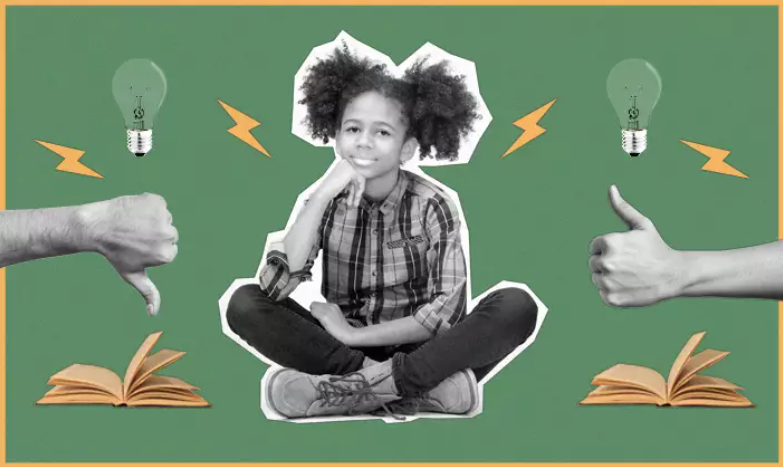
    Photo by Phoenix University. https://www.phoenix.edu/articles/education/what-is-behaviorism-learning-theory.html

    Behaviorism focuses on observable behaviors and how people respond to rewards, praise, or criticism. The main idea is that we learn through practice and repetition until the skill or concept becomes a habit. Positive feedback, such as praise or high grades, motivates learners to repeat their behaviors and continue learning. On the other hand, negative feedback may discourage learners.

    Common ways of assessment can be exams, quizzes, weekly problems, and assignments. These forms of assessment are all designed to measure the learner’s knowledge of the topic. Furthermore, it allows teachers to provide feedback and monitor progress in a structured way.

    From my own experiences, I have found that behaviorism works best for testing foundational knowledge. The effectiveness of this learning method largely depends on the subject. For example, in mathematics, where formulas and techniques require repetition, continuous practice, and memorization, this learning method would be ideal. Furthermore, I have also taken a German language course during my time at the University of Victory, where we had frequent vocabulary and grammar tests, as well as weekly readings and problem sheets, which were effective ways of measuring my progress.

    However, as a computer science student, I find that the behaviorist learning approach does not work well. Many of my courses have 40-70% of the grade on midterms and finals, most also requiring a minimum score on the final just to pass. In real-world computer programming jobs, there are many resources and tools available. In university tests, we are expected to memorize complex codes without extra help, and I believe that this does not help enhance our knowledge of the subject. For more technical fields, I believe project-based and collaborative assignments would prepare students better for future professional challenges.

    Cognitivism

    Photo by ABLE. https://able.ac/blog/cognitive-learning-theory/

    Cognitivism focuses on how people think and learn by understanding new information and connecting it to what we already know. This theory is more about understanding and adding a deeper meaning to the topic, rather than just memorization and repetition. Teachers can help by breaking down complex topics into smaller parts, such as diagrams, step-by-step explanations, guided tasks, discussions, concept maps, and more. Common forms of this assessment can be projects, lab or tutorial assignments, written reflections, and small weekly quizzes.

    I find this learning approach to be my favorite. Instead of being taught large and complex topics, I can build my understanding gradually by breaking topics into smaller parts. For example, in computer science or math courses, working through lab exercises step by step allows me to learn and process the new ideas, make connections, and apply concepts to the task. Furthermore, I also find that group discussions and collaborative study sessions are a helpful way of showing your understanding of topics. When I explain ideas to others or hear different perspectives, it enhances my understanding, ensuring that I know the topic and helping others learn as well. It can also learn different approaches to learning the topic by working with others. For example, during a course last semester, I had a study group with 4 of my friends, where we would learn together, and explain which parts of the topic we are good at and how the other can understand it better as well. Being able to teach or explain a concept to someone else is a strong sign that you truly understand it.

    Constructivism

    Photo by Structural Learning. https://www.structural-learning.com/post/embracing-the-learning-theory-constructivism

    Constructivism is a learning theory that encourages learners to build their understanding from past experiences, existing knowledge, and reflection. Instead of constantly receiving new information, learners can ask questions, connect ideas, and ensure that they understand new concepts in a more meaningful way.

    This approach is great for collaboration, problem-solving, and deep or creative thinking. In this method of learning, the teacher’s role is to help guide and support the learning to build their knowledge. Common forms of this would be group projects, collaborative discussions, written reflections, blog posts, and presentations. These forms of learning allow the user to actively engage in the subject, think critically and creatively, reflect on what they’ve learned, and demonstrate their understanding.

    My experience of this learning method would be from EDCI 335 and EDCI 338 where we are instructed to go through some readings in our own time and pace, then reflect on them by creating a blog post where we would express our opinions, share personal examples on how it relates to the topic and/or demonstrate our understanding of the subject.

    Although constructivism allows for more freedom, responsibility, and creativity, I sometimes find it challenging to stay focused on tasks and apply my knowledge without any clear instructions. I enjoy reflection because it allows me to connect new ideas to my own experiences. For example, I used to run my football (soccer) podcast, which is similar to blog writing in EDCI 335 and 338. Through both the podcast and blog writing, I was able to reflect on the topic, express my opinions, demonstrate my knowledge, and share ideas.

    Conclusion

    Overall, all three of these learning theories have their strengths and limitations. Personally, my favorite and best way of learning would be through cognitivism; however, I would take a part of each theory and combine it into one. For example, I would take the reflective part from constructivism, which allows us to express our knowledge on the topics by connecting it to previous experiences. Furthermore, I would take the weekly tasks such as labs or tutorials, and group discussions, from cognitivism, which keeps us encouraged to continue learning and understanding topics. This would allow us to learn small topics each week rather than one large and complex idea. Finally, I would have occasional tests or quizzes during the course, as it shows your understanding of the fundamentals of the topic, but also your overall skills, since resources are limited.

    References

    Behaviorism, Cognitivism, and Constructivism. https://edtechbooks.org/lidtfoundations/behaviorism_cognitivism_constructivism. Accessed 1 Aug. 2025.