
Research Projects
Current Projects



Past Projects
Teens @ Home During COVID-19
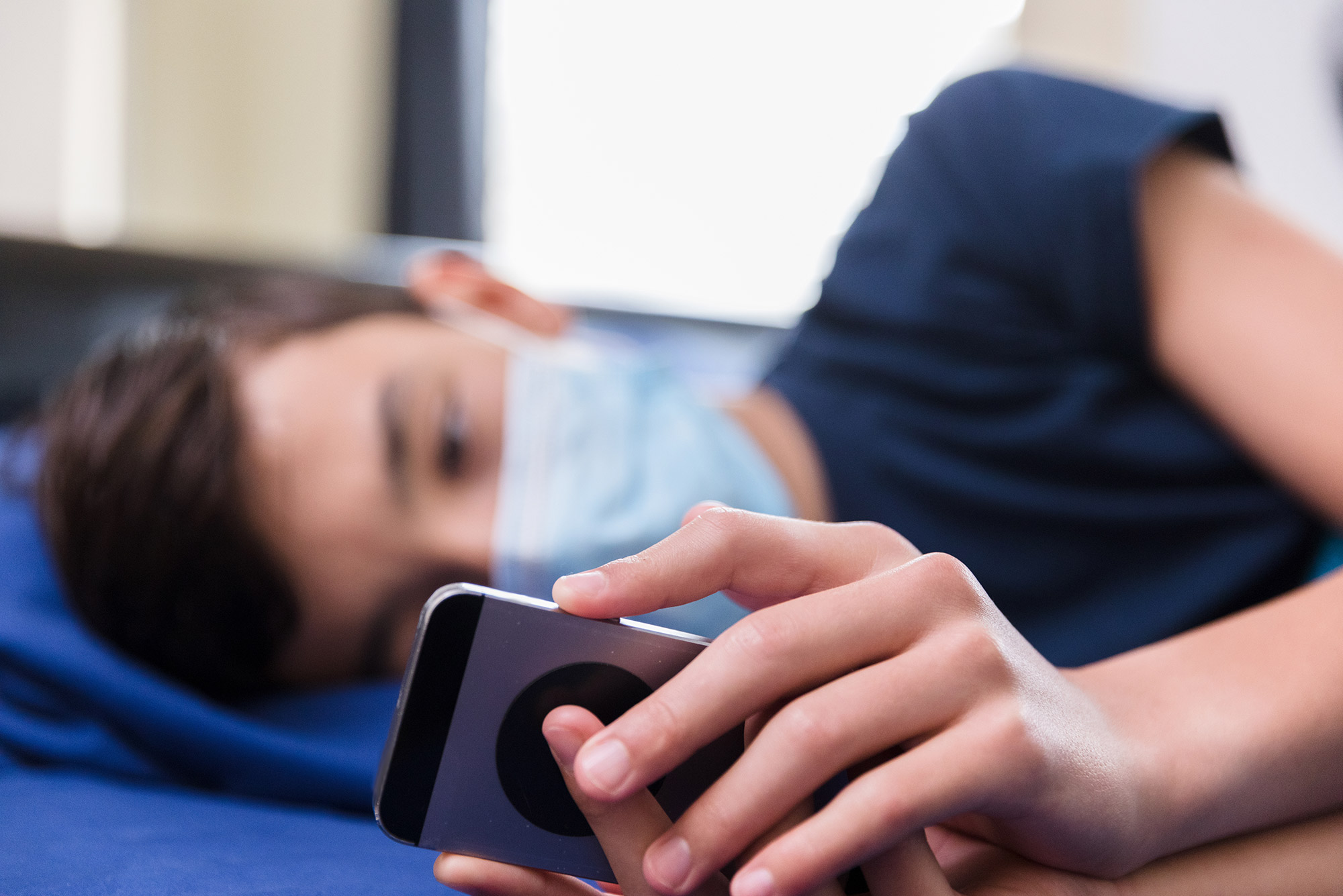
In partnership with Dr. Stephanie Craig (University of Guelph), this research explores how COVID-19 and the anti-racism movement affected Canadian teens’ mental health.

Building Bigger Connections
The Building Bigger Connections study explored how COVID-19 impacted mentoring relationships between teens and adults, using interviews with mentors and mentees to inform improvements to youth services offered by Big Brothers Big Sisters Canada.

The COVID-19 Young Adult Taskforce
The BCCDC COVID-19 Young Adult Taskforce produced an evidence-based report on how the pandemic disrupted the lives of 18–29-year-olds, offering recommendations to support their long-term health, well-being, and recovery across British Columbia.
Student Research

Opening Doors: Racialized Youth Experiences with Mental Health Services in BC
This project aims to understand the current state of mental healthcare services for youth ages 15-24 who identify as racialized in British Columbia and their experiences seeking support. To do this, we are conducting a mixed methods design including a scoping review, qualitative and quantitative study.
Conducted by Heba Elgharbawy (PhD Student), Dr. Megan Ames (CLINICAL PSYC), Shivinder Dari (PhD Student) and Dr. Allie Slemon (NURSING) at the University of Victoria and Dr. Emily Jenkins (NURSING) and Dr. Trevor Goodyear (NURSING) at the University of British Columbia.

Friend or phone: Feasibility of co-designing a digital well-being program for adolescents
To address concerns about problematic digital media use and effectively promote adolescent social-psychological well-being, the Friend or Phone Project is focused on developing a program to promote healthy digital practices by using a collaborative research approach that accounts for adolescents’ lived experiences. The proposed study will test the feasibility of a co-designed psychoeducational program for adolescents that encourages healthy engagement with digital media, informed by the Digital Well-Being and participatory action frameworks. Specifically, the objectives of this study are to:
1. Co-design a novel psychoeducational program targeting Canadian adolescents that promotes healthy digital practices, guided by qualitative participatory-action focus groups.
2. Evaluate the program’s feasibility (i.e., enrollment rate, retention rate, and acceptability) and impact on well-being.