

Universal Design for Learning (UDL)
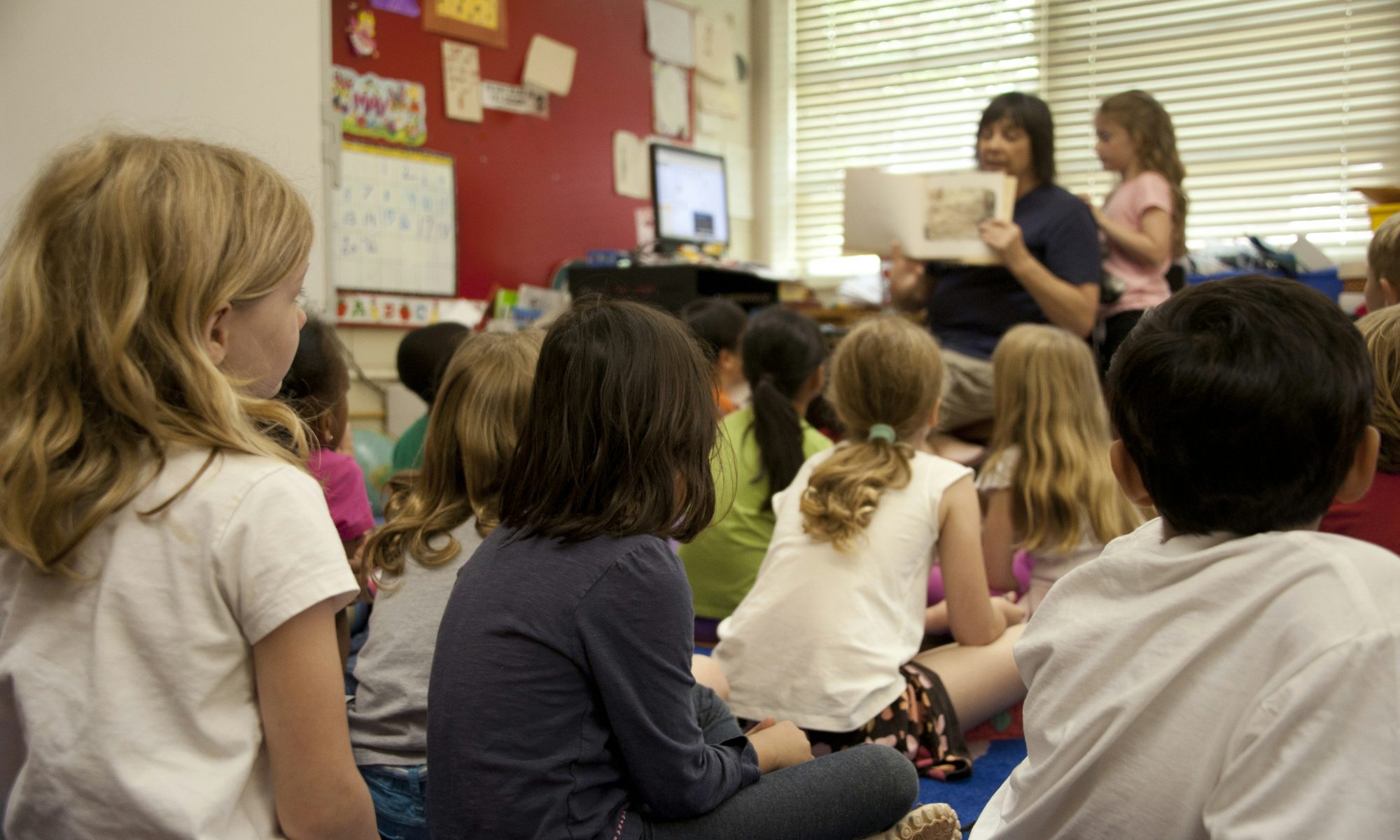
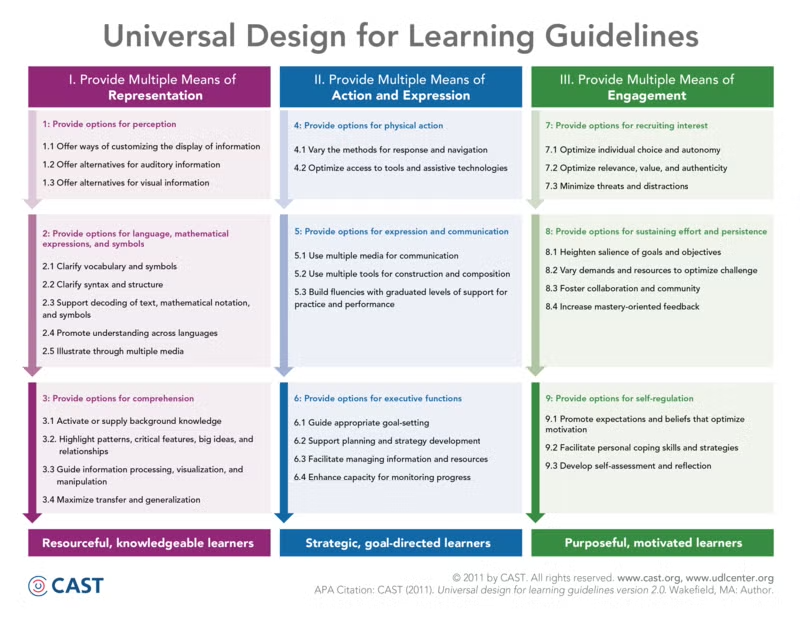
Universal Design for Learning (UDL) is a learning design created to include everyone. It focuses on addressing learning limitations by both supporting and challenging students. UDL is built around three core categories: multiple means of representation, multiple means of action or expression, and multiple means of engagement. To learn more about these, you can click the bolded link below the picture.
Meeting the Needs of All Learners
For my group’s learning design on storytelling, the multiple means of representation we are offering include visual supports, where students view a series of pictures and then write about them. We provide clear instructions in both written form and through step-by-step processes. We also include sample story structures such as first, then, finally to guide students who may need extra support.
The multiple means of action or expression include giving students the choice to answer questions using Google Docs of by handwriting their responses and uploading a photo. This flexibility supports those who may struggle with technology. We also include a peer commenting activity, where students read classmates’ stories and leave comments to connect with others and see different perspectives on the same set of images.
The multiple means of engagement included allowing students to complete the module at their own pace. They can choose how to tell their story (typed or handwritten) and they will have opportunities to interact with peers during the commenting stage. Motivation is built into the activity because students can use the pictures to connect with their own interests, drawing their own conclusions about the story rather than being told the answers by the teacher.
Identifying and Reducing Barriers
Some potential barriers and limitations our group needs to consider include the possibility that reading through the entire module could be challenging for some students. To address this, we could provide a video link with instructions or add a voice button that reads the instructions aloud. Research on online learning has shown that lengthy text-only instructions can be a barrier to engagement and understanding and that alternative formats can help improve accessibility (Yeh & Tsai, 2022).
Another limitation is that some students may be stronger at storytelling through speaking rather than writing. To support these learners, we could offer an alternative option to submit work orally, either as a video or voice recording.
Finally Yeh and Tsai also note that distractions in the home learning environment can significantly impact focus and productivity in online learning (2022). For younger students they could have interuptions like loud home environments that can make it hard to complete assignments. To address this barrier, the module could be broken up more into more clear segments that allow for students to easily pick up where they left off without losing track of where they were.
Conclusion
Learning more about UDL in this unit has helped me improve the storytelling learning design and shown me that there are many ways to make lessons includes. It is important to think beyond your own perspective when creating lesson plans and to consider the diverse needs of different learners. Always allowing students to communicate their learning needs is essential, as is finding creative ways to support each learner so they can reach their full potential.
References
Yeh, C., & Tsai, C. (2022). Massive Distance education: Barriers and challenges in shifting to a complete online learning environment. Frontiers in Psychology, 13. https://doi.org/10.3389/fpsyg.2022.928717