I really enjoyed reading your blog. The way you connected inquiry-based learning to constructivism made it easy to understand, especially when you talked about students leading their own learning and building understanding through exploration. I totally agree with what you said about how inquiry-based learning isn’t just about getting to the right answer, its about the process of thinking critically and making real-world connections.
The quote from Merrill really stood out to me about how “information alone is not instruction.” I fully agree with that because I’ve found that I learn the most when I’m being creative and coming up with topics or ideas on my own. In university, a lot of my learning has actually happened outside of the classroom. For example I have developed many leadership and teaching skills while being the captain of the UVic tennis team. It’s shown me that real learning often happens through experience, not just lectures or textbooks. Reading your blog made me reflect on how important it is to bring that kind of creativity and ownership into the classroom. Inquiry-based learning seems like such a great way to foster that. Thank you for your post!
I really enjoyed reading your post. The way you introduced each theory and connected it to a personal example made it super engaging, it kept me interested the whole way through. I thought your sticker example was a great way to show behaviorism in action. It reminded me of our class discussion about extrinsic motivation.
It also made me wonder how behaviorism would handle intrinsic motivation. Since it’s so focused on rewards and consequences, how would it support or measure motivation that comes from within?
Your example for cognitivism was also really strong. I liked how you showed the process of breaking down complex information to really understand it. It made me think about how important that kind of learning is in subjects like math or science, where just memorizing isn’t enough. Thank you for your post!
I really enjoyed reading your blog. The short YouTube video explaining what a Personal Learning Network is was very helpful. It was a clear and concise explanation of the concept. I think it would have been even more effective if you had included the video earlier in your post, before discussing your personal use of PLNs, so that readers had a clear definition upfront.
I liked how you emphasized multiple means of engagement, representation, and action when discussing Universal Design for Learning (UDL). Multiple means of engagement are something I think about often when teaching, to ensure that students are involved and have different ways to interact with the material. It’s such a great way to include a variety of learners and help them recognize their strengths.
Multiple means of representation can sometimes be more challenging. I really have to think more intentionally about it. For example, when I post a video, I try to remember to add closed captioning, and when writing something, I make sure the font is large and clear enough for every student. It’s so important to think outside ourselves and consider the needs of diverse learners. Thank you for your post!
I really enjoyed reading your blog. The layout was very easy to follow, and I liked that you started off with your own definition of a PLN and then backed it up with a definition from Green (2020), it really supported what you were saying in an academic way.
The table comparing the platforms and how you use them for learning and growth was super informative and a great way to organize your thoughts. I appreciated that you included considerations in addition to the strengths. I totally agree with what you said about Instagram’s algorithms being something to think about when it comes to reaching diverse voices. When the algorithm is personalized, it can actually limit exposure to different perspectives.
When you transitioned to talking about UDL, I thought it was great that you included a definition from the Government of Canada and followed up with a table explaining the key principles. That was a really clear way to introduce a new topic.
The screenshot you added felt a bit out of place; I wonder if you could explain what the image means or how it connects to your content. I’d also suggest maybe adding a video to give the post a bit more variety. Thank you for your insightful post about diversity online!
I really enjoyed reading your blog! I thought your explanation of what a Personal Learning Network was super clear and I really liked how you highlighted both the formal and informal tools. The table you included made the differences between both types of learning very easy to understand.
It was very interesting to hear about how networking has been the best way for you to build your PLN. I’m trying to get into LinkedIn more myself, so it was nice to hear how you’ve been using it to make connections through conferences and academic events. It gave me some good ideas for how I might use it more intentionally.
I wonder if you could expand a bit more on how specific digital tools have helped you connect with others or grow your learning. That might help readers apply your strategies in their own PLN building.
Your blog is well-organized and I love how you end each blog with your key takeaways with a photo in the background. Overall, this was a great post!
Expanding My Learning Network Through Social Media
A Personal Learning Network (PLN) is a network of people you connect with for the purpose of learning and growing. These connections, whether personal, academic, or professional, support your development in many areas of life. Often people build their PLN through social media. The platforms I use most for my PLN are Instagram, Snapchat, LinkedIn, and Facebook, These tools allow me to connect with others, share ideas, and learning from different perspectives.
In my own life, I’ve built a PLN across multiple apps. Instagram is the one I use the most and where I have the most connections. I use it to stay in touch with old tennis exchange students, join group chats for school assignments, and share videos with my roommates. Snapchat is more focused on close friends and smaller group chats. LinkedIn is where I connect with people related to my career goals, school and professional opportunities. Facebook is mainly for staying in touch with family, friends abroad, and teams like my volleyball team.
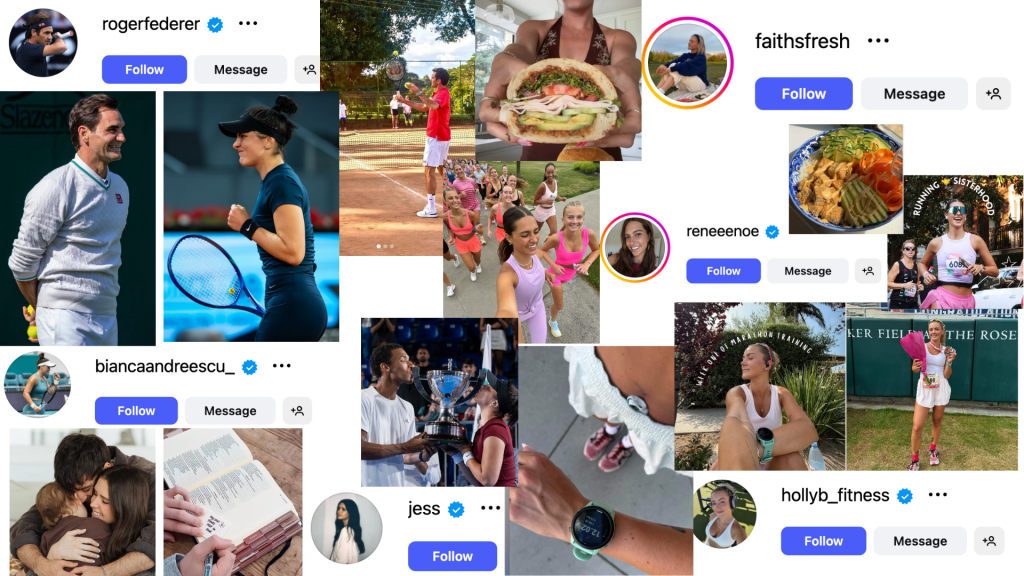
Instagram is the platform where I follow the most people I don’t know personally. It is also where I discover the most inspiration for things like baking, sports and other hobbies. I use it as a space to learn from creators and communities outside my direct circle, which has helped me expand my perspective and add new ideas to my own life.
Faith’s Fresh Recipe: This is one of my favorite recipes from Faiths Fresh Instagram, it was super simple to make and very delicious.
Benefits of PLN
There are many benefits to building a Personal Learning Network (PLN), especially in a digital and social learning environment. One of the biggest advantages is that it allows for personalized learning; you can choose what, how, and when you want to learn based on your own interests and goals (Oddone, 2022). Personal Learning Networks also give you access to a variety of perspectives by connecting you with people from different backgrounds and areas of expertise. This helps expand your thinking and exposes you to new ideas. Another benefit is the social support that comes from being part of a learning community. It can be motivating and encouraging to share experiences, ask questions, and learn alongside others (Oddone, 2022). A PLN creates opportunities for collaboration, helping you work with others, share resources, and create new content. Overall, a PLN encourages self-directed learning and makes learning more engaging, flexible, and meaningful (Oddone, 2022). Below, I’ve added a video that does a great job of explaining what personalized learning is. It highlights how this approach helps adapt to each student’s individual needs to make learning more effective.
Why Diversity in a Digital Space Matters
Diversity in digital learning spaces is essential because it ensures that people from different backgrounds, cultures and identities are being seen and included. Without representation, many learners can feel isolated and their experiences are left out of important conversations. When I first noticed how powerful the #MeToo movement was, it hit me that sharing lived experiences can change minds and create safer, more understanding communities. Similarly, when Simone Biles opened up about her mental health struggles it showed how important it is for people to see someone they admire being honest about challenges. If we only ever hear one story or perspective, its easy to feel left out. However, when digital classrooms and online networks include people from all backgrounds, we learn more and are more likely to speak up for ourselves. That’s why diversity is what makes learning spaces real, relatable and inclusive.
Cho et al. developed a framework for social media literacy that highlights the need for people to not only access and understand online content, but also to critically evaluate and reflect on how it shapes our beliefs (2022). Digital platforms often reflect dominant perspectives and without awareness, this can reinforce exclusion and bias. Inclusion in online learning spaces is very important and we need to become more conscious of the decisions we make online.
References
Cho, H., Cannon, J., Lopez, R., & Li, W. (2022). Social media literacy: A conceptual framework. New Media & Society, 26(2), 941–960. https://doi.org/10.1177/14614448211068530
Oddone, K. (2022). The nature of teachers’ professional learning through a personal learning network: Individual, social and digitally connected. Teaching and Teacher Education Leadership and Professional Development, 1, 100001. https://doi.org/10.1016/j.tatelp.2022.100001
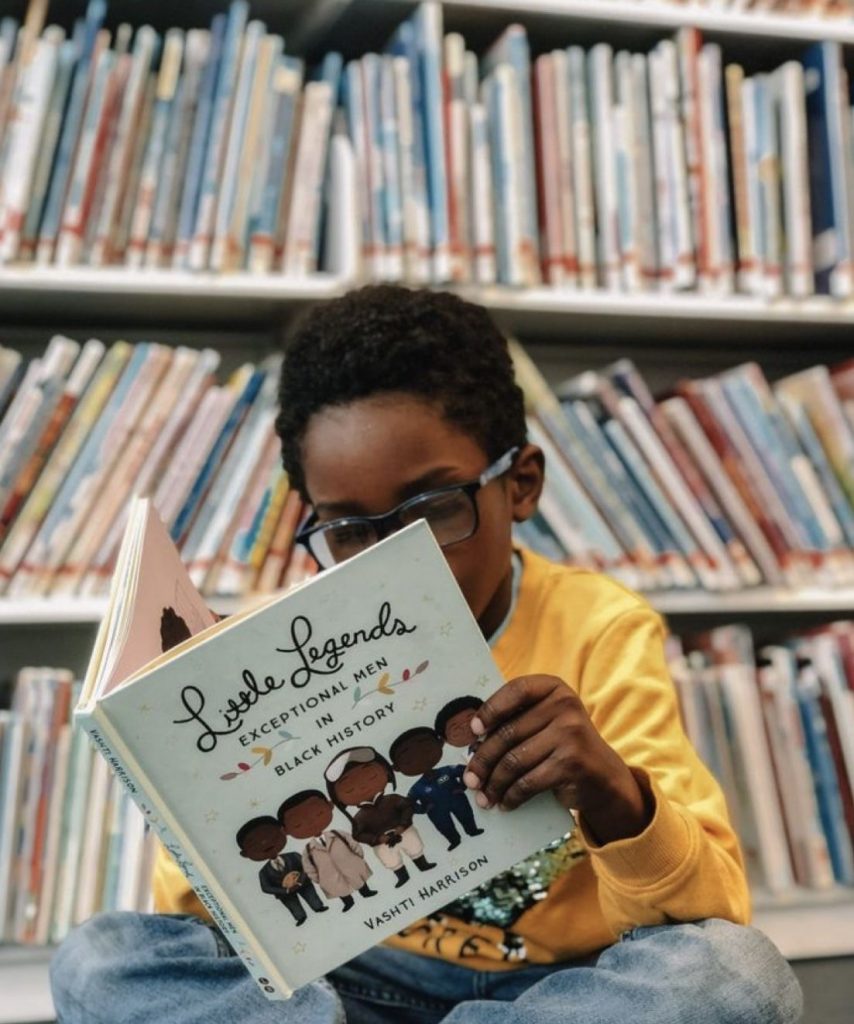
Open pedagogies fosters creativity photo by Lorie Boudreau
What Are Open Pedagogies?
Open pedagogies are a learning approach where students create information instead of just consuming it (Woods & Copur-Gencturk, 2023). This kind of learning is based on student interest and is very self-led. Students can choose the pace of their learning and when to complete assignments. This type of learning approach is very student-centered and gives the learner more independence.
Tech-Mediated Environments
An example of what open pedagogies could look like in a tech-mediated environment is when a course has modules that are self-paced. Students can submit assignments whenever they are ready. The topics are also open-ended, so students get to pick the specifics and choose how they want to express their ideas. For example, one student might write a paper, while another could create a video or infographic. The main goal is that students get to choose what works best for them.
Strengths and Challenges
There are many strengths to using open pedagogies. One is that students have lots of choice, they can focus what they are interested in, which can lead to intrinsic motivation (Woods & Copur-Gencturk, 2023). Another strength is that it builds real-world skills, like time management and self-direction. This helps students figure out what they enjoy and are good at. However, there are also challenges. Since there isn’t a set structure, it can be difficult to assess students fairly (Woods & Copur-Gencturk, 2023). Everyone might be doing something different, making it hard to compare outcomes. Another challenge is that with no strict due dates, some students might fall behind or not complete the work at all.
Our Group Project: Storytelling
Our Interactive Learning Resource is focused on storytelling for a Grade 4 classroom. This topic fits well with open pedagogies because storytelling encourages student voice and gives them the chance to choose how they want to share their ideas. While we haven’t fully used open pedagogies in our design, we have included many opportunities for choice. Since assessment is still a major part of our plan, I think open pedagogies are a partial fit, but combining them with other approaches gives us the best balance.
Woods, P. J., & Copur-Gencturk, Y. (2023). Examining the role of student-centered versus teacher-centered pedagogical approaches to self-directed learning through teaching. Teaching and Teacher Education, 138, 104415. https://doi.org/10.1016/j.tate.2023.104415
I really liked how you clearly explained the differences between personal and professional digital identities. Your point about setting boundaries between the two stood out to me. It made me reflect on how I present myself online and how even casual posts can impact how others perceive me.
The section on digital footprints was very eye-opening. I think a lot of people, myself included, forget that even a single post can leave a lasting impression. You had very practical tips like googling your own name and being intentional about privacy settings.
I also appreciated your focus on digital professionalism. It’s so true that employers and professors check online profiles, and to remember to be mindful about how we engage online.
One thing I’d love to hear more about is how you personally manage the balance between your personal and professional identity online. You could add an example from your own experience or share your digital identity map. Overall, I learned a lot from your post!
I really enjoyed reading your post! The spelling test example helped me understand personalized learning right away. It was such an effective way to explain it and start your post by engaging the reader. I also liked the way you organized your post; it flowed well and made each section easy to follow.
I found it interesting that you marked Instagram more as a visitor space. I’d consider myself more of a resident on Instagram since I frequently post photos and share things online. It’s cool to see how we use the same platform in different ways. One piece of feedback I have is that I would love to hear more about why you placed your apps where you did on your digital identity map. I was curious to learn more about your thought process behind those choices.
You also brought up an important point about the challenges with personalized learning, especially issues of equity and access. I think it’s worth considering how schools can create personalized experiences without relying solely on expensive technology. Finding resources that are low in technology and cost, yet still offer choice and flexibility, is important for accessibility. Thank you for your post!
I really enjoyed reading your blog post! I really like the colors that you added to your post and the spacing between each paragraph made it easy for me as a reader to view your post. The whole post was very organized, which made it easy to stay focused on your content.
I also loved that you mentioned using Notion! I have used it for school also and I agree it is such a great tool for keeping everything organized in one place. I appreciated that you included suggestions for digital tools that have worked well for you. To take that even further, it might be interesting to include a simple table or chart that outlines the tools and how they support digital literacy. That could be a really effective way to organize your recommendations and make them even easier for readers to understand and try out themselves.
A suggestion that I have is to add more photos or videos to engage the reader even more. Overall, I learned a lot and really enjoyed reading your post!