Hey William! I really liked your post about inclusion and engagement. You made a great point about removing barriers before they happen — that totally fits with UDL’s idea of designing for the margins. I also liked how you mentioned using different ways for students to engage, like visuals or flexible tasks. It really shows how small design choices can make learning feel more fair and accessible for everyone.
One thing that came to mind while reading was how feedback also plays a big role in inclusion. Even if the content is accessible, students might still feel disconnected if feedback feels too generic. Maybe adding more personalized feedback could make learners feel even more supported. Anyway, I really enjoyed your reflection — it made me think more about how good design can boost both motivation and belonging!
Response to Yuyang’s Blog #3: Designing for Inclusion
Hey Yu Yang! I really enjoyed your blog about designing for inclusion—your point about making sure all students feel valued and included really resonated with me. I especially liked how you talked about giving students choices in how they show their learning (like writing vs. video) and how that helps reduce anxiety and builds confidence.
One idea I was thinking while reading your post: have you considered how group work or peer-sharing could further strengthen inclusion? If students can pick how they contribute and then see different approaches from classmates, it could strengthen both belonging and engagement. Overall, your reflection got me thinking about the power of flexible design and how it helps everyone feel part of the learning process. Great job!
Response to Fiona’s Blog #3: Designing for Inclusion and Engagement
Hey F Godin! I really appreciated your blog post on designing for inclusion and engagement. Your example about how to structure online discussions so that quieter students can participate felt spot-on — it shows you’re thinking not just about content but the learning environment itself. I also liked your suggestion of mixing synchronous and asynchronous elements to give students both flexibility and connection.
One question that popped up for me: how might you build in peer feedback into those discussion formats you mentioned? If students could review each other’s contributions in different modes (written, audio, video), it might deepen engagement and also reinforce inclusive practice. Overall your reflection made me rethink how I could better design my own learning modules to make sure every learner has a voice. Great work!
Hey William! I really liked how you connected Backward Design with your own coding experience — it made the theory feel practical. The way you explained surface vs deep learning also really made sense to me. I think your post does a great job showing how these frameworks actually help with real learning. Maybe next time you could share a moment when one of these ideas didn’t work as planned — I think that’d make it even more interesting. Great post overall!
Hey Simon! I really liked how you connected Backward Design to your CSC 361 experience — it made the concept feel super practical. The part where you reflected on changing your study habits, like moving away from iPad notes, also felt really honest and relatable. You’ve got a nice balance between theory and personal reflection here. I wonder though, have you ever had a time when Backward Design didn’t go as planned or felt too rigid? It might be cool to hear how you handled that. Overall, great post — really thoughtful and easy to follow!
Hi William, your blog is very well-written and resonates with me, since I’m also a computer science major. I liked how you connected the idea of learning by doing with your algorithms class, because that example makes the concept very clear and shows how practice really brings theory to life. I also appreciated the personal tone of your writing—it didn’t feel like a summary of concepts, but more like your own learning story, which made it easy to relate to. I was wondering if you could also share some of the challenges you faced—like times when “learning by doing” didn’t work right away or when it felt frustrating. Including that would make your post feel more balanced and relatable, and it might also highlight both the strengths and the limits of this approach. Overall, I enjoyed your reflection and look forward to reading more of your posts.
Hi Yuyang, I really liked your opening statement about “setting goals, practicing, and gradually overcoming challenges,” because it perfectly reflects that learning is a long process, not something that happens overnight. You also did a great job of connecting theories like behaviorism, cognitivism, and constructivism with your own learning approach, which shows that your understanding of learning is not superficial. I thought the cooking example for prior knowledge was very apt as well, since it connects abstract theories to everyday life and makes your reflection more convincing. I also found your writing clear and well-organized, which made it easy to follow your ideas. One suggestion I have is that you could share a time when your usual approach didn’t work so well and how you adapted, since that would add even more depth and show your flexibility as a learner. Overall, I really enjoyed reading your post.
Hi Emma, your introduction is very well written, and I liked how your internship experience gave you a real entry point into the classroom, which clearly strengthened your understanding of educational perspectives. You also did a great job of connecting theory with personal experience, linking ideas like behaviorism, cognitivism, and constructivism with your own experiences in dancing, learning dance, and classroom interaction, which made your post easy to follow. I also appreciated your reflection on motivation through the ARCS model, which shows the depth of your thinking about learning. One suggestion I have is that you might conclude by sharing how you plan to apply these insights in your future learning or teaching. That would give the post an even stronger ending.
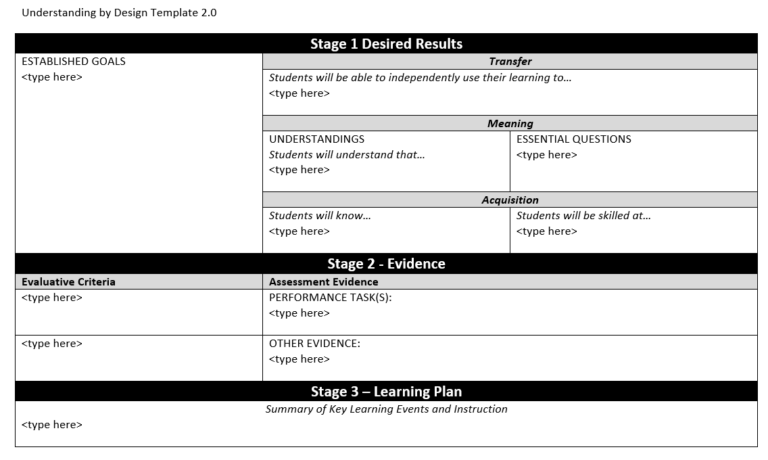
I’ve come to realize that having a clear goal before taking action is one of the most important parts of learning. This module reminded me of how often I apply this without even thinking about it. In everyday life, I rarely jump into something without knowing what outcome I want, and the same is true for my studies.
One clear example comes from my university math classes. At first, I used to just sit in lectures and listen to the teacher. The problem was, I couldn’t tell what I was really supposed to learn. The textbook made things even worse—it was expensive, very detailed, and I had no idea which parts were essential. If I tried to study every single word, it would take forever and leave me with a lot of information that I would never actually use. It felt like walking through a forest without a map.
Things only started to make sense once homework assignments or practice exams were given. Suddenly, I knew exactly which chapters and concepts were important, and I could focus my energy there. Instead of wasting time on “useless” details, I could study with a purpose. Even though it might sound utilitarian—basically studying for tests—it was effective. It saved time, gave me a sense of direction, and made me feel that my efforts were actually leading somewhere.
Design Thinking
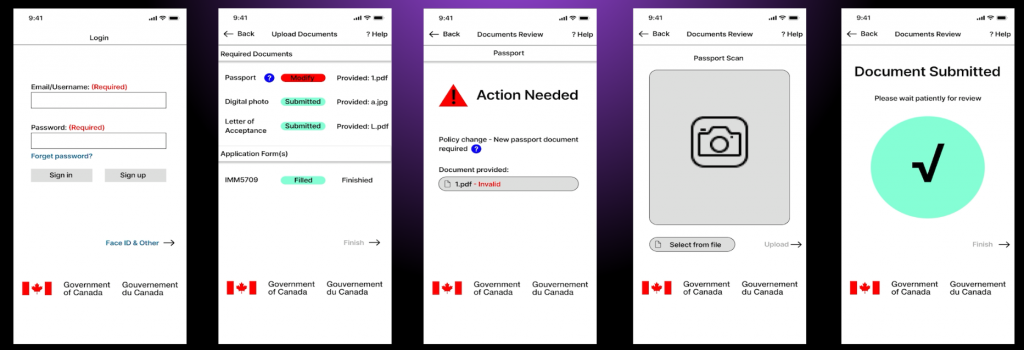
Figure 2. The Canadian visa application APP operation interface designed by our group
This is an area I feel quite familiar with, because last semester I took a course on Human-Computer Interaction where we focused a lot on designing with the user in mind. The most important step is to think from the user’s perspective. Designers and users often think in very different ways, and once you already know how something works, it’s easy to forget how confusing it might be for a beginner. That’s why testing is so important. In that class, my group designed a Canadian visa application app. Through testing with classmates, we found many issues we didn’t notice at first, such as confusing page layouts and counterintuitive navigation. Their feedback helped us improve the design and make it more user-friendly.
This depends on the specific situation. There is no absolute better or worse. For a science major like me, Bloom’s Taxonomy is more helpful because most of the time I need actionable and measurable goals, not vague “understanding”. At least in mathematics or science, there is no vague understanding, only 0 or 1. For example, a weak outcome might be “students will understand fractions.” A stronger outcome would be “students will be able to apply fraction rules to solve real-world problems, like dividing a recipe in half.” The second one is clearer and measurable, which makes learning more meaningful.
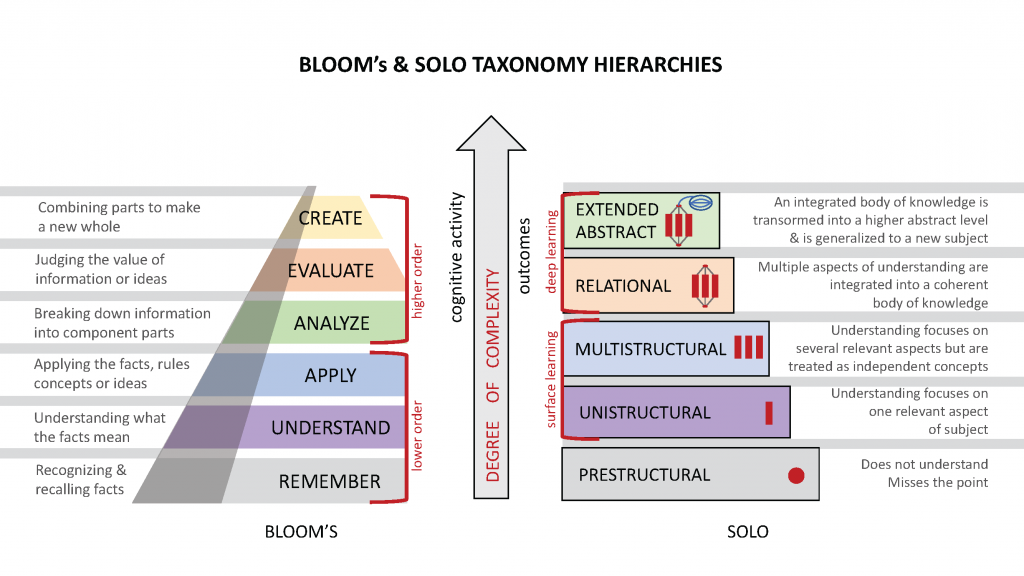
This diagram compares Bloom’s Taxonomy and the SOLO Taxonomy. Bloom’s is usually shown as a pyramid, moving from remembering and understanding at the bottom to applying, analyzing, evaluating, and creating at the top. Each level represents a type of thinking, with the higher levels requiring more complex work (Anderson & Krathwohl, 2001).
SOLO looks more like a staircase. It shows how deep a learner’s response is, from no clear understanding, to listing a few points, to linking ideas together, and finally applying knowledge in new contexts (Biggs & Collis, 1982).
Used together, Bloom’s helps us write clear objectives, while SOLO helps us see how well students really understand.
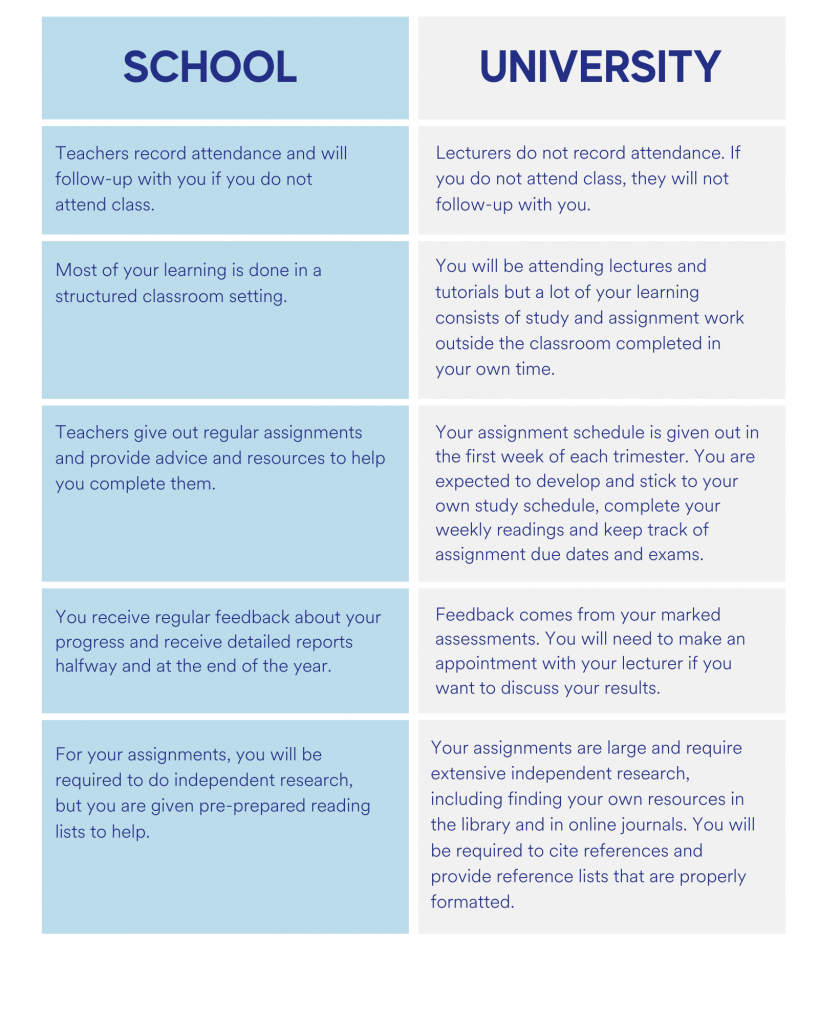
When I look back, most of my learning before university was surface learning. In junior high and even in high school, just memorizing things was often enough to get a decent score, even in harder classes like AP. I didn’t really go that deep, and honestly part of it was because my English wasn’t great, so I didn’t spend extra time trying to fully understand.
University was different. In my coding courses, memorizing never helped. The exams didn’t just test whether I remembered the grammar of a language; they asked me to solve problems and show how the logic worked. That kind of design made me realize surface learning wasn’t going to work anymore. If I wanted to pass, I had to actually understand the concepts and practice applying them.
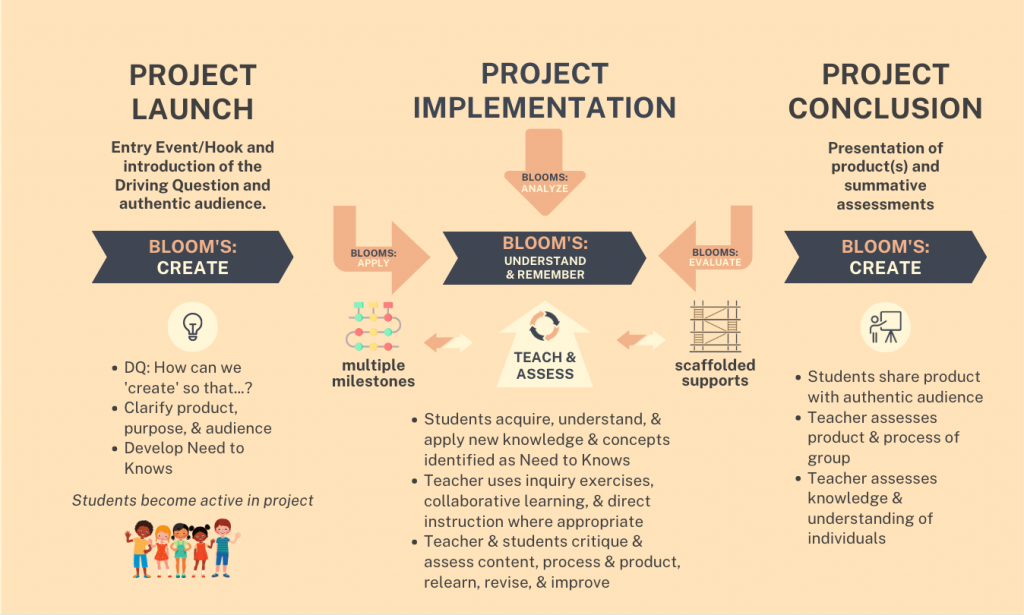
For me, project-based learning connects really well with how I study computer science. In coding classes, I usually don’t get the idea just by reading or listening. It only starts to make sense when I actually build something, like a small app or a project with my classmates. Inquiry-based learning feels similar to research. You start with a question, and you don’t know the answer yet, so you explore different ways until you find something that works.
The good thing is that it feels real. Working on projects gives me motivation and shows me how the knowledge can be used outside of exams. It also teaches me how to work with others. The hard part is that open-ended tasks can be confusing—you don’t always know where to start, and it takes more time. But in the end, the learning sticks much better.
References
Anderson, L. W., & Krathwohl, D. R. (2001). A Taxonomy for Learning, Teaching, and Assessing. Longman.
Biggs, J., & Collis, K. (1982). Evaluating the Quality of Learning: The SOLO Taxonomy. Academic Press.