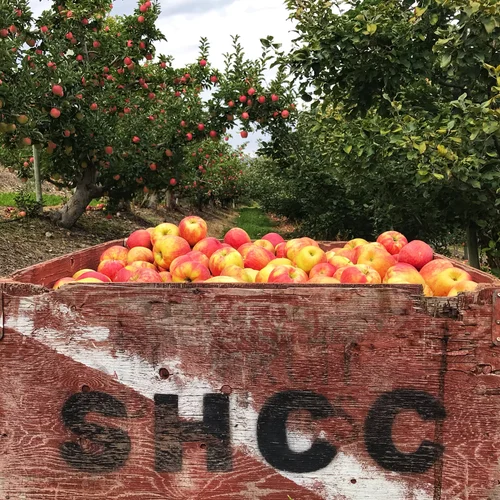
BC offers a thriving environment for science co-op students where your work can contribute to food security, sustainability, and global trade. Whether your interests lie in agritech, greenhouse innovation, or value-added food manufacturing, this sector is full of opportunities to learn, grow, and make an impact.
For undergraduate science students exploring co-op opportunities, BC’s agriculture and food sector is more than farms and fields, it’s a $19-billion industry driving innovation, sustainability, and global trade.
With 74,000 jobs already in place and ambitious targets to grow exports by 25% over the next decade, this sector is opening doors for students interested in agritech, food science, and climate resilience.
Why It Matters for Students
For co-op students, this growth translates into:
- Placements in food-processing labs, agritech startups, and greenhouse operations
- Opportunities to work on climate-resilient agriculture and food security projects
- Hands-on experience in value-added manufacturing and global supply chains
Building From Strength
- $19 billion in revenues annually
- $6 billion in exports to global markets
- 32,000 businesses supporting communities across the province
- Food and beverage manufacturing makes up 65% of sector revenue, making it BC’s second-largest manufacturing industry
This foundation is being strengthened by major investments in dairy, greenhouse production, and food processing. All this is creating new opportunities for students to contribute to innovation in agriculture.
What’s Happening Now
Recent expansions and projects are reshaping the sector:
- Vitalus Nutrition and Punjab Milk Foods (Nanak Foods) expanding milk protein and plant-based manufacturing
- Greenhouse sector growth in both capacity and diversity of crops
- Project AgriGuard: a $382-million rendering facility boosting domestic and international export capacity
These initiatives are creating new pathways for careers in food science, agritech, and sustainable production.
Goals for the Next Decade
BC’s agriculture strategy aims to:
- Create new opportunities in agriculture, agritech, and food processing
- Leverage a 17% increase in dairy production to expand value-added milk and plant protein manufacturing
- Increase greenhouse production to meet rising demand
- Build an environment that reduces costs, supports scale, and improves affordability
- Expand exports beyond the US by 25%
The Bigger Picture
Over the past two years, the province has invested more than $300 million in food security, climate resilience, Indigenous food sovereignty, and supply chain improvements. A new $496-million plant and animal health centre in the Fraser Valley will further protect food supply, public health, and export markets.
With rising global demand for safe, sustainable, high-quality food, BC’s agriculture sector is positioned to drive inclusive economic growth and innovation, and students have a chance to be part of it.
Reference
Copilot was used to make this summary of the report titled “Look West: Jobs and Prosperity for a Stronger BC and Canada” from the Government of BC’s Employment, business and economic development website.