After successfully funding their first production run via pre-orders, MeepMeep ships over 1000 trackers across the US and Canada.
VICTORIA, BC July 19, 2022 – MeepMeep, a local smart disc golf accessories hardware startup, announced today that they have successfully completed shipping pre-orders for their first product: a stick-on, smartphone-connected tracker device to help disc golfers save time by finding lost discs faster. With the commencement of pre-order shipping, MeepMeep trackers are now available for direct sales at www.meepmeep.co and at select retailers across North America, including at Sports Rent (https://sportsrentbc.com/) for Vancouver Island players.
MeepMeep product details
Connects to players’ smartphones so it only makes an alarm when needed, preventing unnecessary disruptions
Designed to be small and lightweight at only 5 mm in height and 7 g in weight
Uses removable high-strength adhesive to stick onto any disc
App design follows accessibility guidelines to support vision-impaired players
“While Greater Victoria’s software tech success story has long been discussed, we’re only recently seeing the hardware space grow and we’re incredibly proud to be one of the companies taking part in this moment. Growing up playing disc golf in the world-class courses we have here on the West Coast, I’ve always loved the sport and now with the explosion of disc golf, particularly during the pandemic, there has never been a more exciting time to be in this space. We are so excited to actually see our vision come to life as a result of our incredible team, the phenomenal support we’ve received from many partners, and from the disc golf community itself” says Eve Olynyk, CEO and Co-Founder of MeepMeep.
MeepMeep used crowdfunding to fund their first production run. This announcement comes as the 2022 Douglas 10 to Watch winner prepares to scale and enter new markets and channels to get their product in the hands of disc golfers around the world.
About MeepMeep
Founded by UVic grads Eve Olynyk (BCom, 2017) and Simon Park (BEng, 2019), MeepMeep is a 100% woman- & POC-led company. The now eight-person team, primarily composed of UVic and Camosun alumni, aims to build a company based on three principles: Do What Excites Us, Leverage Our Influence, and Be Genuine Humans. Following this first product, MeepMeep looks to further build in the smart disc golf accessories space by exploring concepts such as flight-tracking and machine-learning-based coaching services.
The Coast Capital Innovation Centre has been made possible through a partnership between the University of Victoria and the Coast Capital Federal Credit Union. Since 2016, Coast Capital has committed over $1.5 million to support entrepreneurs and innovators at UVic.
Garbage disposal—wasteful, harmful to the environment, costly, smelly, loud and often gross. Engineering student Victor Nicolov found himself thinking more and more about how to create a clean, efficient alternative. He’d spent a lot of time tinkering, tweaking and innovating in his dad’s home workshops, constantly seeking ways to improve things. With a keen curiosity and technical aptitude, Victor always envisioned making a product and selling it. When he mentioned his idea to a colleague while attending the Engineering program at UVic, they told him about The Coast Capital Innovation Centre, UVic’s start-up incubator, which laid the foundation for Sepura and ANVY Technologies.
Incubators, programs that give early businesses access to mentorship, support and potential investors, are generally hard to get into—“But there it was, at my school. It easily shaved a year off my progress. The team was so helpful and knowledgeable,” Victor says. He graduated from Engineering in 2018, the same year he entered the incubator.
What is Sepura (seh-pure-ah)? It is an eco-friendly garbage disposal system that accepts all organic waste down the sink, separates the compostables and stores them in a “stink-proof”, ready-to-compost bin. The rest carries on down the drain. It’s quiet, reliable, and elegant.
Conceptually, there have been many design modifications and iterations along the way. An auger pushes waste along. Victor initially tried a centrifugal version with a crushing mechanism. However, when you crushed things, everything went down the drain, which was not where you wanted compostables. Plus, it used too much power and water to be good for the environment. Victor received a lot of great information from the City of Metro Vancouver, as well as plumbers he would chat with during Home Depot visits.
The incubator set the stage for Victor’s success. He won $5000 for the PlanIt competition and the Entrepreneurship Co-op Award for $6000, which allowed him to patent his idea. Meeting the other entrepreneurs provided great learning, support and a sounding board, plus introduced him to Connor Pickard, now Sepura’s VP of Sales and Marketing. There, he also connected with other advisors, potential customers, and investors. Victor still talks to the Centre of Innovation team today for general advice.
Victor attended the Consumer Electronics Show in 2020 with Sepura. This famed and influential international event was a prime opportunity to showcase his invention. Sepura’s anatomy? The separating component (self-cleaning), installation accessories and the collection centre. Installation is straightforward, which is key for those not technically inclined. The event was a triumph, and Sepura was featured as one of the top 100 inventions of 2020 by Time Magazine.
Starting a business was a significant shift for Victor. “You don’t know how hard it will be…you’re pushing it on people and investors, starting every meeting. Then, all of a sudden, there is a lot of pull, and you don’t have time to do anything and can’t find money fast enough. It’s challenging to adapt and prioritize.” As a self-described calm person, the stress was unexpected. How does he manage it? Victor works out, listens to music and shares thoughts with his spouse, who always has a helpful and always-valued perspective.
What advice would Victor offer young university students considering the incubator?
“Don’t wait—university is the best time to start something, especially if you have no other commitments. You can afford to fail, and there are a ton of resources.”
Sepura has sold 314 as of writing and is primed to launch in July. “I love how easy it is,” Victor shares, “It’s exciting, and I’m really proud of it. It’s fun to throw so much stuff in it.”
The Coast Capital Innovation Centre has been made possible through a partnership between the University of Victoria and the Coast Capital Federal Credit Union. Since 2016, Coast Capital has committed over $1.5 million to support entrepreneurs and innovators at UVic.
“Without the Coast Capital Innovation Centre, I wouldn’t be where I am,” asserts Danielle Lowe, Founder and Owner of Doodlebug Pet Food, cricket-based, hypoallergenic dog treats. The Coast Capital Innovation Centre is UVic’s start-up incubator, providing student entrepreneurs with resources and focused support to start their businesses. Less than eight months from launch, mixing and treat-making equipment was en route to streamline production and meet thriving demand. To date, she’s won eleven awards and grants and sold more than 950 units.
Dog treats were not Danielle’s original concept. Flexiburger, a cricket-based patty for human consumption, was Danielle’s focus in her third year at UVic. Insects are high in protein and highly sustainable once you get past the stigma of eating bugs. The entrepreneurial co-op allows a student to work on their own business idea for an entire semester and gives students like Danielle the opportunity to dive into their business ideas with rich support, while satisfying their academic requirements. She won the $300 PitchIt award for her compelling pitch before starting her specialization. This nurtured Danielle’s confidence and belief in her potential for success.
Danielle encountered more barriers than solutions digging into the logistics and regulations surrounding human food production. Then, her new beloved puppy “fur-niece”, Billie, struggled with food allergies. A serious dog lover, Danielle recognized the opportunity, and Doodlebug was born. During her entrepreneurship specialization at UVic, she won PitchIt again, for Doodlebug. “It was great for early-stage validation and super helpful in refining my concept and pitch,” she shares.
“The incubator programming is like a boot camp for business,” she describes, “we learn to pitch, create business plans, connect with successful entrepreneurs and share our challenges with a like-minded team of people.” It’s currently her third time participating in an entrepreneurship co-op. Danielle values the fresh ideas and extensive access to university equipment and resources, “Plus, the Innovation Centre team is always there to help.”
During her entrepreneurship specialization, Danielle also won $3000 with PlanIt, the Innovation Centre’s business plan competition. This allowed her to refine her business plan and implement learning from sessions with the Innovation Centre. Danielle used this funding to launch Doodlebug and prepare it for farmers’ markets. Since then, she has been selling out of her peanut butter and banana, and pumpkin and apple dog treats online and at the markets, though she is in discussion with a couple of retail locations.
Balancing a business with studies has been a learning experience in itself. “Generally, there is a “right” answer at school. That’s not the case in business,” she explains. Danielle has found a way to navigate both successfully. Her next accolade was First Place in the UVic Startup Competition, winning $20,000, held at the end of the entrepreneurship specialization of her business degree. The funds helped launch Doodlebug and connected her with the local business community.
One of the things Danielle had not considered was the physical toll making a product can have. She received an Entrepreneurship Co-op Subsidy for $5,000, which she set aside to use for equipment. Recently, she was the recipient of the prestigious Coast Capital Entrepreneur Co-op Award for $6,000, allowing her to order machinery; and grow her business and scale.
When asked what advice she might offer, especially for a young person encouraged to get a degree before pursuing a business, “don’t wait. If you are at UVic, in this program, the incubator is an incredible place to launch a business. There are so many opportunities and resources here.”
Danielle’s business and approach is attracting a lot of attention and acclaim. She made it to the semi-finals for The Forum Pitch and also won the Business Co-op Student of the Year Award for 2022. In March, she placed second out of 64 teams nationwide with St. Mary’s University’s March Madness Pitch Competition, modeled after the NCAA March Madness basketball competition.
As the sole Doodlebug investor, owner and founder, Danielle wears all the hats. A self-proclaimed perfectionist, she learned to let go a little to produce. “You can’t do everything perfectly, and certain decisions have to happen fast.” Autonomy is gold, but at times, she allows it would be nice to have someone handle the finance and marketing.
Danielle loves dogs. One of the many unexpected outcomes of Doodlebug is the connection she has with dog owners. At markets, people want to talk to her about their dogs. This positively fills her with joy. “One in five or eight will be people whose dogs have died. It’s therapeutic. We talk about their joy of owning a dog.”
Looking to the future and firmly grounded in her current enterprise, Danielle’s vision is to be a sustainable protein company. Business and studies are solid, and she just won the Top 10 to Watch with Douglas Magazine. Danielle credits the Innovation Centre for giving her the opportunity to connect, bounce ideas off other early entrepreneurs and learn from professionals. Sharing space with people going through the same thing was invaluable.
Written by Gillie Easdon
The Coast Capital Innovation Centre has been made possible through a partnership between the University of Victoria and the Coast Capital Federal Credit Union. Since 2016, Coast Capital has committed over $1.5 million to support entrepreneurs and innovators at UVic.
The most recent PlanIt Event showcased some of the most promising early-stage start-up ideas.
From disc golf trackers to meal subscription services, there was a wide variety of unique concepts from enthusiastic entrepreneurs.
The judges for this year’s competition were:
Rob Bennett – COO of VIATEC
Thomas Ahn – Founder of Mad Ventures
Lindsay Frehlick – Innovations Manager at UVic
Ray Cao – Founder of AllSalt Maritime
Kevin Burkett – Portfolio Manager at Burkett Asset Management
Sitting in at PlanIt is like attending commerce, biology, and an engineering lecture all at once.
You can’t help but dust off a notebook and search for a pen to take notes while the entrepreneurs are diving into their businesses.
Here are the nine businesses from this semester’s PlanIt.
Sanctuary Sneakers
The event began with a bang featuring Sanctuary Sneakers. The Founder and Sneakerhead, Eric Hasegawa, explained his business was like Trivago for high-end, collectible sneakers. It allows fellow Sneakerheads to shop for the best prices of shoes for their collections.
Did you know the market for high-end resale sneakers is a $10 billion industry? Neither did we.
Next, we jumped straight into BIO 400 with Farmer’s Legacy Biotech, presented by Founder Pankaj Purwar. This business is determined to provide a more sustainable and healthier alternative to vegetable oil: Brahmola oil.
The impacts of farming palm and canola oil on the forests in Africa, South America, and Mesoamerica is becoming increasingly problematic. Pankaj explained Brahmola oil could help stop this since it involves genetically transforming canola to make fatty acids similar to coconut oil. This type of oil is healthier and is a sustainable way to meet the high demand for oil. Pankaj described it as the“goodness of coconut oil and its grown sustainability.”
EatCoast
The post-lunch hunger hit the judges quickly when the next Founder, Mohsin Dyer, showed off his business EatCoast.
EatCoast is an online food delivery service that provides healthy meals that adhere to dietary restrictions. A problem many students, such as Mohsin, who is an international student, and busy professionals face is learning how to cook and finding the time to do so. EatCoast, however, provides a solution to this.
For delicious, ready-made meals, join EatCoast’s waitlist to be the first to know when it launches!
MeepMeep Team – First place PlanIT winners. Photo credit: Simon Park
MeepMeep
Have you heard of disc golf before? Well, it’s a seemingly niche sport that is actually not-so-niche and is taking the sports market by storm.
Eve Olynyk and Simon Park, Co-Founders of MeepMeep, saw a need for a Bluetooth disc golf tracker. They ran a survey, and the results confirmed that the average player spends 10 minutes per round searching for their disc. That’s 116,000 minutes per day among all disc players! But with MeepMeep, you can “search less and play more.”
Are you ready to search less and play more? Check out MeepMeep’s website and get in touch with them on Instagram!
Little Egg
With the holidays right around the corner, the next contestant’s idea was perfect. Founded by Jennifer Cawthorne, Little Egg offers a sustainable way to give a gift, such as notes, videos, or a contribution to an education fund, your children, grandchildren, etc., will remember for years to come, all while trying to “remove our focus on materials and make room for what truly matters.”
Judge Rob Bennett weighed in on his own birthday experience, saying his grandparents’ savings bond was the gift he remembered most as a kid! Not a plastic toy.
SheTrains
Next up were Co-Founders and student-athletes Tori Kalyniuk and Ella Stephen. They created SheTrains: an app that tracks women athletes’ periods, analyzes training plans and makes scientifically supported recommendations to coaches.
The idea sparked when they spoke with other female athletes and learned that 95.7% of women athletes reported that training negatively impacted their menstrual cycles. They realized that with SheTrains, women athletes can “work with their bodies and not against them!”
SJD Ceramics
“When was the last time you did something just for fun?”
As entrepreneurs, it’s easy for us to get swept up into the hustle. The answers to this question are why Sarah Davis, the Founder of SJD Ceramics, wants to expand her pottery studio business to provide fun and simple classes in the Tsawwassen area.
Her business idea makes you question when the last time was that you did something purely for enjoyment and reflect on that answer.
Are you in the Tsawwassen area and looking for a fun activity to do with your friend, family, or partner? Join SJD Ceramics’ waitlist to be the first to know when class spots open up.
ScoutBees
This past year, students searching for housing arrived at open houses with many other desperate students, only to be disappointed or scammed. Thousands, especially international students worldwide, have felt the effects of this housing crisis while trying to find a place to live.
Gaze Kasilag-Del Castillo, the Founder of ScoutBees, was one of those people.
Gaze developed her business to provide a trustworthy service for international students to vet houses by booking “scouts.” ScoutBees’ tailored niche of helping international students will set it apart from any impending competitors that enter the market.
Follow ScoutBees on Instagram to stay up-to-date with their launch!
Finally, it was time for the final contestant.
The sun had already set, and the Zoom slump had hit.
PolyV
PolyV’s unique and necessary proposition sparked some life back into the judges. The Founder of PolyV, Tong Li, proposed a lighter-weight alternative to carbon fibre. The alternative is called polymer, and it can be used to create car seats, battery casings, and so much more.
“It’s a lighter, stronger, greener solution…” said Li, which our economy needs after a recent gas crisis and the increasing effects of climate change.
Learn more about the amazing things Li on the PolyV website!
Now, it was time for the judges to finish up their scorecards, which would reveal the top 4 winners of this semester’s PlanIt competition.
But before the judges could finish tallying their scores, the line-up of extraordinary entrepreneurs and their ideas ignited conversations between the judges. How could it not?
While all the presentations were impressive, those who ranked in the top four stayed on the top of everyone’s mind throughout the four-hour event.
Now…for the results. Drum roll, please!
In first place…MeepMeep – $3000
In second place…ScoutBees – $2500
Tied for third place…PolyV – $1250
Tied for third place…Sanctuary Sneakers – $1250
Another successful round of PlanIt for the books!
We don’t know about you, but after this PlanIt, we’re feeling confident about the bright business ideas ready to illuminate our future.
The Coast Capital Innovation Centre has been made possible through a partnership between the University of Victoria and the Coast Capital Federal Credit Union. Since 2016, Coast Capital has committed over $1.5 million to support entrepreneurs and innovators at UVic.
On November 24, 2021, the Coast Capital Innovation Centre held its Fall 2021 PitchIt event online. Entrepreneurs competed as individuals and small groups for six awards of $300 each. University of Victoria students, staff, faculty and alumni were all eligible to participate in the competition. Awards were presented to the top six most viable pitches after the event’s five judges cast their votes.
The event was facilitated by Andrea Hayes, the Program Manager of the Coast Capital Innovation Centre. “Action precedes confidence,” stated Andrea, “as an entrepreneur, it’s important to put yourself out there, receive feedback and establish connections early. Generating success [in pitching] takes a lot of repetitions. The PitchIt competition is one of the most important ways of getting these ‘reps’ in.”
Contestants were given 90 seconds to give their pitch to the judges. A short judge-led question and answer period followed each pitch. Entrepreneurs explained how their product, service or concept functioned, and were suggested to provide details regarding their demand within each of their target markets.
This fall’s PitchIt event featured 18 pitches from a rich diversity of individuals. Products, services and concepts ranged from startups to established businesses. Five judges scored contestants on the following criteria:
Originality and innovation in comparison to other competitors in similar market(s)
Overt benefits to specific markets and or identified audiences
Practicality and feasibility; how believable is each proof of concept?
Economic and or social value to target market(s)
Potential impact on target market(s)
Overall clarity of presentation
Entrepreneur inventions and business concepts looked to solve an assortment of problems and establish new levels of efficiency within respective markets. Tong Li’s Poly V. Tech Inc. produces a new polymer to be used in the manufacturing of automotive parts (among other things). Tong Li claims that Poly V. polymer is a lighter, stronger and more sustainable alternative than existing polymers in the market. John Sommerfeld’s Sommer Ventures looks to disrupt the painting industry through “marrying” drones and paint sprayers. John is based out of the Kootenay region and has a vision to create a safer painting process for high-elevation projects.
This year’s Pitchit event featured a wide array of business models and concepts; however, ideas and business models were not limited to Canadian industries. Phoenix Dickenson’s business Deep Space Critters (DSP) looks to create sustainable insect protein for astronauts. Besides growing and harvesting insects, DSP also looks to sell insect-raising equipment and market directly to agencies and organizations concerned with space exploration and travel.
After judges cast a
nd counted their votes, it was decided that the six winners of the Fall 2021 PitchIt event were the following:
Matt from Apricell
Phoenix Dickenson from Deep Space Critters
Jason and Eric from Sanctuary Sneakers
Ella and Victoria from SheTrains
Gaze from ScoutBees
Tong Li from Poly V. Tech Inc
The PitchIt event is one of many ways that the Coast Capital Innovation Centre seeks to provide free programming for entrepreneurs. The centre also provides mentorship by bringing in business experts to share their insights and help budding entrepreneurs establish key connections within their individual markets.
The Coast Capital Innovation Centre has been made possible through a partnership between the University of Victoria and the Coast Capital Federal Credit Union. Since 2016, Coast Capital has committed over $1.5 million to support entrepreneurs and innovators at UVic.
The University of Victoria (UVic) is known for creating innovative solutions to tackle common problems seen in industry and community. UVic thrives on a collaborative team environment to bring novel technologies to market. The UVic Research Partnerships office supports faculty, staff and students to develop meaningful and successful industry-academia partnerships. Over the years, UVic has had many success stories arise from the Research Partnerships office as teams from across the university and industry work together to bring novel technologies to market. Here we highlight a few key success stories from start-ups to licensed technologies.
4M BioTech — GelDerm: Smart Bandage for Chronic Wound Management
Dr. Mohsen Akbari, Associate Professor at the University of Victoria, has co-founded 4M BioTech. The company has developed and licensed GelDerm, a hydrogel-based dressing that detects bacterial infections in wounds using sensors that change colour in response to infection. This novel solution works in conjunction with an app where the user can take a picture of the wound for an objective reading of colour changes associated with the extent of infection. This solution provides an opportunity for remote monitoring of wounds and reduces the need for patients to visit the clinic. Commercialization of this technology could provide AI-powered telemedicine and offer better patient outcomes through effective wound management.
Axolotl Biosciences — Novel Neurobioink
Dr. Stephanie Willerth, Professor at the University of Victoria, and her team have founded Axolotl Bioscience. Axolotl Biosciences provides turn-key reagents, including bioinks, 3D tissue models, and consulting services in the field of 3D bioprinting to advance tissue engineering and regenerative medicine. The company develops novel fibrin-based bioink that generate stable and reproducible 3D-structures. A key novel function of this innovation is the ability of the structures to remain in culture for over 30 days while maintaining a high level of cell viability and function. The technology supports a wide range of cell lines, such as induced pluripotent stem cells (hiPSCs), neural progenitor cells (NPCs), and the mesenchymal stem cells (MSCs). The applications of the novel bioink are vast including drug modeling, screening, and development of cell therapies. Axolotl Biosciences has partnered with the Elvira Lab at UVic to investigate “3D bioprinting personalized brain tissue models”. An example of one of the many partnerships Axolotl Biosciences has developed since it was founded in 2020.
Solaries TM — Innovative Solar Cell Technology
Dr. Sam Sahar, UVic Alumni of Rustom Bhiladvala’s lab, has co-founded Solaries Enterprise Inc. SolariesTM products address the limitations found in traditional solar technologies. These products include two solar based technologies, Solar InkTM and Solar Cells. Solar InkTM is a novel development of perovskite film with high energy conversion efficiency and high stability. This novel ink is compatible with different fabrication processes including spin coating, slot-die and blade-coating. SolariesTM Solar Cells use an emerging solar technology called perovskite. The perovskite solar cells are lightweight, flexible, high efficiency and transparent. These solar cells are top quality, and cost effective to provide greater accessibility to end-users. Not only are these solar cells more effective than their competitors, the carbon footprint to develop SolariesTM solar cells is significantly less when compared to traditional solar cells. Solaries is partnered with the Saidaminov lab and previously partnered with the Evins lab at UVic to further their research goals.
IntegritE-DNATM — Quantitative real-time polymerase chain reaction (qPCR) for analysis of environmental DNA
Dr. Caren Helbing, Professor of Biochemistry and Microbiology at the University of Victoria, has developed an IntegritE-DNATM test to provide solutions to the issues found in common environmental DNA (eDNA) tests. The novel IntegritE-DNATM technology requires only a scoop of water from the target area. The test can be used on water, soil, and sediment samples. This non-invasive test is used to protect species at risk, particularly those that are more elusive, and their habitats. Through licensing and collaboration agreements this technology is helping our partners, such as Hemmera and Bureau Veritas, expand their testing toolkits and offer an opportunity to enhance Industry’s understanding of species at risk.
The UVic Research Partnership Office works with inventors from the idea/disclosure phase through the patent process to commercialization. It takes a community to bring innovative technologies to reality and UVic Research Partnerships is here to help your team.
If you have an innovative idea and would like to work with the UVic Research Partnerhips office, feel free to connect with us here: researchpartnerships@uvic.ca
Written by Liz Bueckert. Edited by the UVic ILO Team.
Devesh Bharadwaj of Pani Energy, Victor Nicolov of ANVY Technologies and Juan Orrego of Cuboh, founders of Victoria based start-ups, shared their entrepreneurial journeys including their successes, their mistakes and some key pieces of advice for entrepreneurs just starting out. These three entrepreneurs have a number of things in common: 1) they all started their companies while pursuing their undergraduate degrees at the University of Victoria; 2) they participated in UVic’s Entrepreneurship Co-op program, each taking a semester off from their studies to work full time on their ventures; and 3) they are recipients of the Coast Capital Entrepreneurship Co-op Award, an annual, individual $6000 award presented to a student working on their own startup idea during a co-op semester. The three also agreed that early support, whether through funding or mentorship was critical to the continued success of their businesses.
From left to right, Juan Orrego, Victor Nicolov and Devesh Bharadwaj.
Victor, Devesh and Juan covered many topics, and provided some excellent advice for entrepreneurs and those exploring entrepreneurship. There were many overlapping thoughts, and all agreed on the six pieces of advice below:
When you see a problem in the world, chase it, there may or may not be a solution out there for it, but go and chase it. Lots of people have identified a real problem and have good ideas to solve it, so get out there and solve it.
Be critical of your idea, and always question your hypothesis. There are very few reasons not to succeed as long as you are continually questioning your hypothesis.
Have conversations with your potential customers. Understand what it is that people really want by putting your idea out there and seeking feedback from potential customers before you build anything. Your customers will likely give you all the ideas you need to build a product that people will want and will purchase.
When it come to entrepreneurship, the odds are not in your favour, but they will be at some point if you stay passionate and keep persisting. The people who succeed don’t give up when most people would have.
Seek out a support system. Being part of an entrepreneurial community, like the Coast Capital Innovation Centre, is great for making connections, receiving feedback and advice and keeping you accountable. Talking to a trusted supporter, even if they don’t give you the answer, will probably help you understand your next best move.
Work towards something you believe in. You can create the change you want to see in the world and there is no problem that is too big to solve.
Whether you are at the beginning of your journey or are a seasoned entrepreneur, this advice is relevant at any stage. Pani Energy, Cuboh and Anvy Technologies are companies supported by the Coast Capital Innovation Centre. The Coast Capital Innovation Centre has been made possible through a partnership between the University of Victoria and the Coast Capital Federal Credit Union. Since 2016, Coast Capital has committed over $1.5 million to support entrepreneurs and innovators at UVic.
Written by Tyler West and edited by Jerome Etwaroo.
Paul Graham from YCombinator famously wrote in his blog post “The 18 Mistakes That Kill Startups”, that the number 1 mistake is being a ‘single founder’. He explains that “the low points in a startup are so low that few could bear them alone.”
I started Focal 3 years ago as a solo founder, and I can attest to the validity of this passage. As a startup founder with wild ideas about change you would like to see in the world – you often wonder if you’re a genius or if you’re just crazy.
Lachlan Shum, the Founder and CEO of Focal Photography. Photo credit: Marlboro Wang for Focal Photography
In the early days of Focal, before we had employees, investors and customers to bounce ideas off of, I would often come to the UVIC Coast Capital Innovation Centre. Sometimes to discuss an important decision and get feedback, but also sometimes just to sit, work and be surrounded by people I knew supported me. I think that’s what makes the Centre so special. It’s a place where entrepreneurs can feel safe, supported and not alone! Especially in the early days that are filled with uncertainty.
I don’t think that being a single founder is a mistake. I think you just need to make sure you have a support system to share some of that burden. For me, a lot of that burden has been shared by the team at the Coast Capital Innovation Centre. I can’t thank them enough. It’s pretty crazy to think that 3 years ago all I had was an idea, and today we’re a company with 6 employees who support photographers all over the world.
Focal makes booking a photoshoot easy through its online marketplace – browse, filter and find the perfect photographer all-in-one place.
The Coast Capital Innovation Centre has been made possible through a partnership between the University of Victoria and the Coast Capital Federal Credit Union. Since 2016, Coast Capital has committed over $1.5 million to support entrepreneurs and innovators at UVic.
In summer 2020, the Coast Capital Innovation Centre at the University of Victoria launched a women’s entrepreneurship pilot program – a first for the university and those on Vancouver Island. While women executives consistently outperform men and generate higher returns, women-led founded companies only receive 2.7 per cent of venture capital funding. These gender representation and funding challenges brought together five partners, the Coast Capital Innovation Centre, Vancouver Innovation, Advanced Technology and Entrepreneurship Council (VIATEC), Accelerate Okanagan, Purpose Five and Communitech, with investment from Canada’s Digital Technology Supercluster, to launch impactful programming. Women entrepreneurs learned from exceptional subject-matter experts and other ambitious women seizing opportunities during the pandemic. Over 15 entrepreneurial women from diverse backgrounds, sectors and places connected. Discover what four of these women-led ventures accomplished and where they are headed in their own words.
Maria Orrego, Nutsie: “Being part of the UVic summer pilot program helped me analyze and optimize my decisions for Nutsie in many different areas. Today, after one month of launching our e-commerce platform, we have not only been able to grow our customer base but also get to know our consumers’ wants and needs. In my opinion, this is one of the most important milestones to accomplish during the early stages of your business. By the end of this year, we are expecting to launch a customizable keto snack subscription box, and, in 2021, we are expecting to start preparing to launch our products on shelves. We are looking forward to continuing to develop new innovations as well as getting more and more people to know what Nutsie is and how we are revolutionizing the snack industry.”
Stephanie Willerth, Axolotl Biosciences: “The most rewarding part of participating in the UVic summer pilot program was meeting with like-minded women as we developed our businesses. Axolotl’s biggest accomplishment so far was incorporating during the pandemic and bringing on five full-time employees for summer. We are excited that our novel bioink is now being beta tested by users in both academia and industry. We are looking forward to expanding our product portfolio and selling our bioink. In particular, we are excited about being able to bring on a full-time business manager and digital content developer this fall.”
Sam Sahar, Solar Ventures: “The UVic summer pilot program helped me gain courage and confidence in my business. The ability to meet and talk to other women founders and hear their challenges and accomplishments have been extremely helpful. The webinars were very informative, and I am looking forward to participating in more webinars. With the knowledge gained, I am going to expand my business with more confidence.”
Karolina Papera Valente, VoxCell BioInnovation: “The UVic summer pilot program was great! In addition to providing incredible resources, especially in financial management, I connected with an amazing group of women! My biggest accomplishments were finalizing incorporation, preparing for the PlanIt competition and having my interview for W Venture all in the same week of my PhD defence! I am most looking forward to moving from our first prototype printer model towards our re-designed model. In six to nine months, we will have our second prototype ready. In 12 months, we will be producing 3D printed parts for our collaborators in academia. In five years, we will have at least two different models of our printer with one focused on tissue engineering and a second model focused on mechanical engineering.”
Today, most of the women founders have graduated from the first W Venture cohort, a program that advances women entrepreneurs and their businesses through personalized matching with subject-matter experts and applied-learning workshops across five key areas: strategy, marketing, sales, community gatherings and finance and funding. They brought and shared strengths: an innovative, tech-enabled product or service, meaningful contributions to an entrepreneurial community and desire to grow their business. They highlight how women-led businesses are vital to growing the economy, especially during challenging times like COVID-19. They are closing both the entrepreneurial representation and funding gaps. These founders are inspirational women – with strong voices – making courageous firsts.
The Coast Capital Innovation Centre has been made possible through a partnership between the University of Victoria and the Coast Capital Federal Credit Union. Since 2016, Coast Capital has committed over $1.5 million to support entrepreneurs and innovators at UVic.
Written by Anneliese Sanghara and edited by Andrea Hayes
Since 2016, the Coast Capital Innovation Centre has provided an opportunity for entrepreneurs to showcase their new ideas during pitch competitions. Enthusiastic entrepreneurs pitch innovative ideas and receive feedback from competition judges who are faculty, business professionals, staff or previous competition winners.
The pitch competition is an anticipated, fun event for new business ventures to potentially get a funding boost. Making life easier with technology has been the most common idea between new ventures. These five competition winners aspire to make the future better with their innovative ideas.
Justo’s Hummus and Dips
High-quality hummus in a variety of flavours and reusable packaging is the mission of Justin Kopetzki and his friends with Justo’s Hummus and Dips. Instagram is the platform they use for sales where they provide delivery and pick up options for their customers. Justo’s has strong connections with the farming community and hopes to expand to retail and wholesale selling. Isn’t it interesting to have a variety of different flavours of hummus from trifle, pesto, curry, spicy chipotle and chocolate chip dessert?!
Skippero
Going through a hard time to find a skipper for a boat vacation? This venture is led by Nejc Ekart and his friend. Skippero is a web platform that links skippers and people who want to go sailing. This platform is targeting mostly people new to sailing who want a vacation on the Mediterranean Sea. If you have a passion for sailing, you will get your next exciting vacation in just a few clicks.
Zizzor
You have a presentation tomorrow, and you need a haircut, but your barber does not have any availability. Zizzor came to Devin Sidhu after experiencing this problem. Zizzor provides a platform for barbers and customers to connect. Barbers will receive customer reviews according to their quality of work, and future customers will be able to make their decision about which barber they would like to choose. Zizzor might be your next option when you want to look presentation perfect.
MOSY
Leslie Cieza Huane and Rossmery Atarama Lopez, both from Peru, have started a new venture. They combined their knowledge in biomedical technology and business management to create MOSY. MOSY is an innovative product that helps with oxygen therapy. It allows patients who normally need medical staff to manage that oxygen take care of it themselves. MOSY can be used in a hospital or at home for patients who suffer from asthma.
NRSC Collective Neurophysiology and Data Management Solutions
Technology provides opportunities to analyze and interpret neurophysiology data. NRSC applies neuroscience techniques to manage data for researchers. Scott Sawchuk explained that NRSC is a pre-clinical service. Its website platform and off-site centre provide training and consultation services. NRSC collaborates with labs that have this expertise and availability for ongoing project management, data analysis and relevant sources for their research.
The Coast Capital Innovation Centre has been made possible through a partnership between the University of Victoria and the Coast Capital Federal Credit Union. Since 2016, Coast Capital has committed over $1.5 million to support entrepreneurs and innovators at UVic.
Written by Nazanin Zargaran and edited by Anneliese Sanghara





 This novel solution works in conjunction with an app where the user can take a picture of the wound for an objective reading of colour changes associated with the extent of infection. This solution provides an opportunity for remote monitoring of wounds and reduces the need for patients to visit the clinic. Commercialization of this technology could provide AI-powered telemedicine and offer better patient outcomes through effective wound management.
 company develops novel fibrin-based bioink that generate stable and reproducible 3D-structures. A key novel function of this innovation is the ability of the structures to remain in culture for over 30 days while maintaining a high level of cell viability and function. The technology supports a wide range of cell lines, such as induced pluripotent stem cells (hiPSCs), neural progenitor cells (NPCs), and the mesenchymal stem cells (MSCs). The applications of the novel bioink are vast including drug modeling, screening, and development of cell therapies. Axolotl Biosciences has partnered with the Elvira Lab at UVic to investigate “3D bioprinting personalized brain tissue models”. An example of one of the many partnerships Axolotl Biosciences has developed since it was founded in 2020.
 with different fabrication processes including spin coating, slot-die and blade-coating. SolariesTM Solar Cells use an emerging solar technology called perovskite. The perovskite solar cells are lightweight, flexible, high efficiency and transparent. These solar cells are top quality, and cost effective to provide greater accessibility to end-users. Not only are these solar cells more effective than their competitors, the carbon footprint to develop SolariesTM solar cells is significantly less when compared to traditional solar cells. Solaries is partnered with the Saidaminov lab and previously partnered with the Evins lab at UVic to further their research goals.
 DNATM technology requires only a scoop of water from the target area. The test can be used on water, soil, and sediment samples. This non-invasive test is used to protect species at risk, particularly those that are more elusive, and their habitats. Through licensing and collaboration agreements this technology is helping our partners, such as Hemmera and Bureau Veritas, expand their testing toolkits and offer an opportunity to enhance Industry’s understanding of species at risk.

 participating in the UVic summer pilot program was meeting with like-minded women as we developed our businesses. Axolotl’s biggest accomplishment so far was incorporating during the pandemic and bringing on five full-time employees for summer. We are excited that our novel bioink is now being beta tested by users in both academia and industry. We are looking forward to expanding our product portfolio and selling our bioink. In particular, we are excited about being able to bring on a full-time business manager and digital content developer this fall.”
 courage and confidence in my business. The ability to meet and talk to other women founders and hear their challenges and accomplishments have been extremely helpful. The webinars were very informative, and I am looking forward to participating in more webinars. With the knowledge gained, I am going to expand my business with more confidence.”
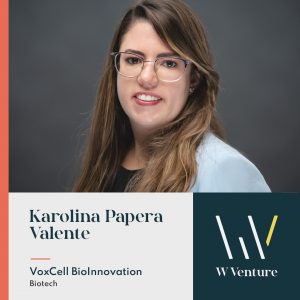 program was great! In addition to providing incredible resources, especially in financial management, I connected with an amazing group of women! My biggest accomplishments were finalizing incorporation, preparing for the PlanIt competition and having my interview for W Venture all in the same week of my PhD defence! I am most looking forward to moving from our first prototype printer model towards our re-designed model. In six to nine months, we will have our second prototype ready. In 12 months, we will be producing 3D printed parts for our collaborators in academia. In five years, we will have at least two different models of our printer with one focused on tissue engineering and a second model focused on mechanical engineering.”
 future customers will be able to make their decision about which barber they would like to choose. Zizzor might be your next option when you want to look presentation perfect.