
*Content below comes from the Race Rocks Ecological Reserve webpage entitled: The 13 Moons of the WSANEC (Fletcher, 2019).
============================================
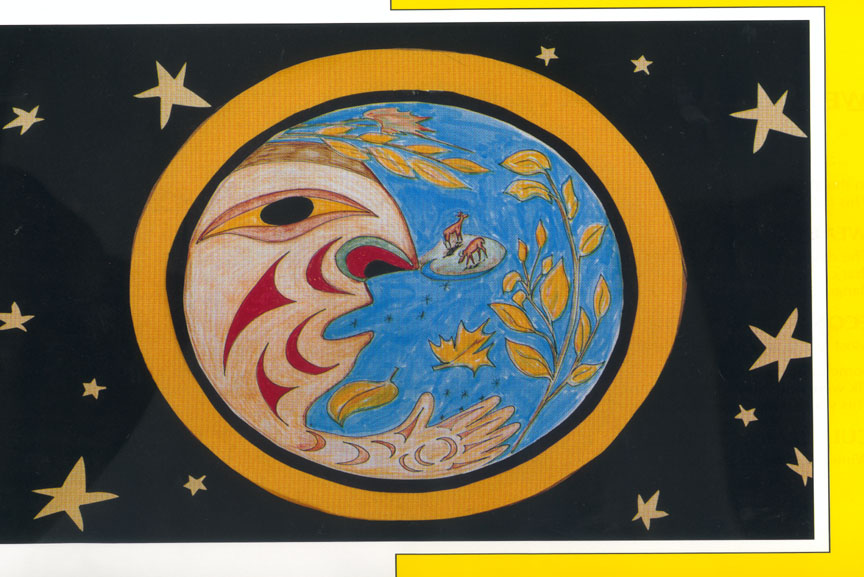
PEKELANEW-Moon that turns the leaves white(Oct.)
PEKELANEW – The Moon That Turns the Leaves White (October)
This is the moon of the turning white season (frost). This moon brings the first frost. The leaves lose their colours and turn pale. Deer hunting is the activity during this moon. The earth is cooling down and the people turn their efforts to hunting.
CONNECTIONS AND BACKGROUND INFORMATION
October derives its name from the Latin word ‘octo’ meaning eight. It was the eighth month of the Roman year. The moon marks the end of summer (snails) and the beginning of cooler weather.
WEATHER
The longer, cooler nights can lead to frost on the leaves and the ground in higher country.
ECONOMIC ACTIVITIES
The WSANEC people began splitting the cedar logs they had felled in the Spring. The completion of the canoes was Winter work. They would rough out their canoes in the forest making them easier to carry and move them to the villages.
Seals and Sea Lions were hunted in the San Juan Islands. Cod fishing tapered off toward the end of this moon and grouse hunting ceased. Preparations were made for the Fall hunt of the deer and elk. Deer were in their rutting season and easily fooled because they were not as cautious as normal.
THINGS TO THINK ABOUT
- What does ‘rut’ mean and why would deer be more easily fooled?
- What are various methods of hunting seals and sea lions?
- How is or was steam used to make canoes and bent wooden boxes?
===========================================