This post offers a clear and engaging look at how Instagram and TikTok can be used meaningfully within a Personal Learning Network (PLN). What stood out to me right away was how specific and practical your examples were, especially the classroom management strategies and PE game ideas. I could really see how this kind of bite-sized content is useful not only during practicum placements but also as a tool to spark creativity in real time. The “refocus and celebration board” idea feels like something I’d actually want to try in a learning space.
Your integration of Shelley Moore’s work and UDL principles made the post even more impactful. The quote you shared, “Inclusion means teaching to the diversity in our classrooms, not trying to eliminate it”, was a powerful reminder of what inclusive education should really look like. I appreciated how you tied this philosophy back into your own digital learning habits by seeking out creators who present content in visually diverse and culturally responsive ways.
I also liked how you positioned yourself not just as a learner in your PLN, but as a contributor, through commenting, posting, and blogging. That active engagement really reflects the core purpose of PLNs as spaces for ongoing collaboration and reflection.
One thing I wonder is if you could expand slightly more on how you choose who to follow on platforms like TikTok or Instagram. With so much content out there, it would be interesting to hear what signals or strategies help you identify content that’s both high-quality and inclusive.
Overall, this post feels personal, well-organized, and thoughtfully aligned with the values of UDL and inclusive education. It’s a great example of how social media can be used intentionally to shape both teaching practice and professional growth.
This blog post does an excellent job of showing how a Personal Learning Network (PLN) can be built with real intention and applied to specific goals. The detailed table outlining how social media platforms like Instagram, YouTube, and Reddit are used for different learning purposes made the post especially relatable. It’s clear that your PLN isn’t just theoretical, it’s actually supporting your path toward becoming an optometrist in meaningful ways. The focus on accessible learning, such as engaging with health professionals online and using microlearning formats, really stood out to me. I hadn’t considered Reddit as a space for professional growth before, but seeing how you use those subreddits as a safe learning community was really insightful.
I also appreciated the depth of your section on digital privacy and ethics. The reference to “Terms of Service; Didn’t Read” was something I had never heard of before, and it seems like such a helpful tool to actually understand how platforms use our data. Your breakdown of concrete steps, like using VPNs, clearing cookies, and setting strong passwords, was both practical and easy to follow. It made me reflect on the areas where I could strengthen my own digital safety habits.
One thing I wonder is if you could expand slightly more on how you assess the credibility of health-related content on social media. With so much misinformation online, it might be helpful to hear what criteria you use to determine whether a source is trustworthy, especially when health is such a big part of your PLN. That could add an extra layer to your strong reflections on digital ethics.
Visually, the blog is well-structured and easy to navigate. I like the way the photos and headings break up the content without making it feel cluttered. Adding a small infographic or a screenshot of one of your favorite PLN accounts might bring more of your personalized learning approach to life visually.
Overall, this is a thorough and impressive post that connects digital tools, ethics, and inclusivity in a way that feels authentic and grounded in your goals.
This blog post offers a clear and honest reflection on how PLNs, digital safety, and UDL apply beyond theory and into everyday learning and career development. What stood out right away was the way social media platforms were used with real intent, especially the breakdown of how LinkedIn, Pinterest, and Instagram serve different learning needs. The Pinterest example was especially interesting to me, because I hadn’t fully considered how it could function as more than just inspiration. Thinking of it as a tool to organize creative learning adds a whole new dimension.
I also appreciated the practical approach to online safety. The connection between shaping a PLN and protecting our digital presence made a lot of sense. Turning on two-factor authentication and being mindful of platform policies are things I do as well, but this post reminded me how important it is to stay consistent with those habits. I also found the emphasis on ethical behavior online, like reporting inappropriate content instead of ignoring it, really important. It shows a strong understanding that learning communities rely on trust and shared responsibility.
One area that could be expanded on a bit more is the section about algorithmic bias. I wonder if sharing a specific example, like noticing repetitive content on Instagram or Pinterest, could make that idea even more relatable. It would also help show how conscious curation actually works in real time.
The layout of the post is super clear and easy to follow. I do wonder if adding one or two visuals, like a sample mood board or even a screenshot of a PLN in action, might support the content even more especially since visual learning is such a big theme.
Overall, the post is informative, well-organized, and connects theory with practice in a way that feels both personal and useful.
I really enjoyed your post, it had such a thoughtful structure and made me reflect on my own approach to digital spaces. Your discussion on the ethical responsibility of how we present ourselves online was super insightful, especially your point about how our digital identities don’t exist in isolation, they ripple out and impact others too. That’s something I think a lot of us overlook.
Your use of clear headings made your points easy to digest, and I appreciated the balance between your personal reflections and the theoretical lens you applied. I also liked how you acknowledged the tension between personal branding and authenticity, it’s such a real struggle, especially in professional environments.
I wonder if you could take your post even further by including a specific example, maybe a personal story or moment where your digital identity was challenged or misunderstood? I think it would make your reflection even more powerful and relatable.
I really appreciated your honest and relatable reflection on how social media can feel like a double-edged sword when it comes to expressing our identity. Your point about how we sometimes subconsciously curate ourselves to fit into what feels “acceptable” online really resonated with me. I liked how you brought in the idea of being more intentional and mindful in how we present ourselves digitally, it’s something I’ve been thinking about too.
One thing I found particularly strong was your observation about balancing self-expression with societal expectations. It’s such a hard line to walk, especially when you’re trying to be authentic but also cautious. I also liked your clean blog design, it makes your posts easy to follow!
I wonder if you could expand a bit more on how specific platforms influence identity differently, for example, how you might express yourself differently on Instagram versus LinkedIn? That might add an interesting layer to your reflection!
Before this module, I thought I had a decent idea of what a Personal Learning Network (PLN) was. I assumed it was just the people I follow on Instagram, LinkedIn, or maybe a few creators on YouTube. But Module 3 on PLN dynamics and inclusivity completely changed my perspective.
A PLN isn’t just a list of followers or people I admire. It’s about how I engage, who I choose to amplify, and what kind of space I help create. In a weird way, it reminded me that I’m not just scrolling through content, I’m actively shaping the tone and values of the digital learning environments I’m part of.
It’s Not Just Diversity—It’s Inclusion
One of the most powerful slides from the Module 3 PowerPoint was about the difference between diversity and inclusion. It really stuck with me that just having people from different backgrounds isn’t enough if I’m not creating space for their voices to actually be heard.
That made me reflect on my own habits. Sometimes I follow people with different perspectives, but I stay silent. I’m more of a “visitor” than a “resident” in their space, to use the Visitors and Residents model we discussed. Moving forward, I want to shift from passive scrolling to more intentional engagement, liking, commenting, sharing, and crediting voices that often get overlooked.
We all get caught in algorithmic bubbles sometimes. But one of my biggest takeaways from this module is that if I don’t shape my PLN, the algorithm will. I don’t want to just keep seeing content that reinforces what I already believe. I want to be challenged, to grow, and to connect with people who think differently than I do.
To do that, I need to: – Regularly audit who I follow and why – Look for underrepresented voices in my field – Create a safe and respectful space where people feel heard
🎥 Embedded Video: How to Build a PLN and Become a Connected Educator
This short video (under 3 minutes) features educators discussing how they built their own PLNs and the impact of being a connected educator. I picked it because it’s informative and practical, perfect for grounding the blog post in a relatable, real-world voice.
Instagram Inspiration: Educating to “Digital Citizenship”
This public post from Reggio Children highlights the importance of teaching digital citizenship as integral to daily life, offline and online, echoing Module 3’s focus on identity, values, and inclusion in digital spaces.
How I’m Going to Apply This
Over the next few weeks, I plan to: 1. Follow at least 3 new educators or creators with perspectives outside my discipline or culture 2. Comment meaningfully on content I value (not just “like” and move on) 3. Add sources or give credit when I share something, even in casual platforms like Instagram stories
These small changes feel more doable than overhauling my entire digital life, and they still have an impact.
This module reminded me that I’m not just a learner, I’m also a co-creator of the spaces I learn in. PLNs are personal, powerful, and dynamic. But they only work when we put in the effort to make them inclusive, reflective, and intentional.
Let me know, how do you shape your PLN? Are you more of a visitor or a resident? 👀
Thanks for sharing your blog, it was such an engaging and genuine read! I really liked how clearly you walked us through your teaching practicum experience at Spencer Middle School. The way you incorporated digital tools like Canva, Google Classroom, and Kahoot into your lesson planning really shows your initiative in creating interactive learning experiences. I also thought it was super helpful how you admitted to struggling with setting them up at first, it made your post feel honest and relatable.
Another part that really stood out to me was your reflection on maintaining a professional and personal online presence. I loved how you balance your authenticity with a sense of responsibility, especially in a field like teaching where both are so important. Your approach to using Instagram as a journaling and networking space was really inspiring.
I wonder if you could add a little more detail about the specific challenges you faced when using the tools for the first time, and maybe share what helped you get more comfortable with them? I think other new teachers might find that especially helpful!
Also, your site layout is super clean and easy to navigate. One small suggestion: maybe consider adding a more visible menu or category tabs at the top, it might help visitors find your posts a bit faster.
Overall, this was such a positive and well-rounded post. Thanks again for sharing your journey with us!
I used to think digital identity was just about having an Instagram or Facebook profile, but I’ve come to realize it’s much more complex than that, it’s the sum of how we show up online, including what we post, comment on, like, or even search. Whether we realize it or not, we are constantly building a digital version of ourselves that others interact with, often without us even knowing.
Digital Identity: Personal Meets Professional
My own digital identity floats between personal and professional. On Instagram, I mostly post for fun, sharing moments with friends or funny reels. But I also follow psychology pages, academic influencers, and learning-related accounts which contribute to my learning. On LinkedIn, I keep things professional, sharing academic achievements or networking with classmates. But even there, the tone I choose says something about me. This made me think about how personal and professional lines are blurring online.
One concept that helped me frame this was the ‘Visitors and Residents’ model. In visitor mode, I use the internet as a tool, like Googling a question or checking Brightspace. But in resident mode, I’m building my digital footprint, through commenting, posting, and engaging with others online. Most of my daily online behavior is actually in resident mode.
Visitors and Residents Model – Dave White & Alison Le Cornu (CC BY-SA 3.0)
Personalized Learning: Not What I Thought
Before this class, I used to think personalized learning just meant self paced study or learning on your own. But now I understand it’s about having choice and voice in how you learn. For me, this looks like choosing to watch a YouTube video to better understand a topic, or reading blog posts instead of textbooks when I want another perspective.
Personalized learning has made me feel more in control and more connected to what I study. For example, in this course, we’re encouraged to build our own Personal Learning Network (PLN), using platforms like Discord, Instagram, and even LinkedIn to learn from others. I realized I already do this without calling it that, by following creators who post psychology content or joining Reddit threads about mental health.
One video that helped me connect the dots is this short clip on YouTube . It breaks down how personalized learning supports different types of learners and helps them take ownership of their education.
Visitor vs. Resident: Where Do I Fall?
The Visitors and Residents model really helped me understand my online behaviors. In some spaces, like searching JSTOR or checking UVic email, I’m a clear visitor, I go in, do what I need, and leave no trace. But on platforms like Instagram, YouTube, or LinkedIn, I’m definitely a resident. I leave comments, share posts, create content, and engage with others regularly.
This reflection has made me think more intentionally about my digital footprint. Would I want a future employer to see my Instagram? Am I posting things that reflect who I truly am, or just trying to fit into an algorithm?
A great resource that explores this topic further is “Digital Footprint: Maintaining a Professional Internet Presence” by Midwest Institute. It explains how your online presence can shape how others view you, especially in academic and professional settings, and why managing it proactively is so important.
Growth is Ongoing
While writing this blog it more so made me realize that digital identity isn’t fixed. It evolves just like we do in real life. I want to be more intentional moving forward, not just in managing my online presence for the sake of appearances, but because I genuinely want my digital identity to reflect who I am and what I care about.
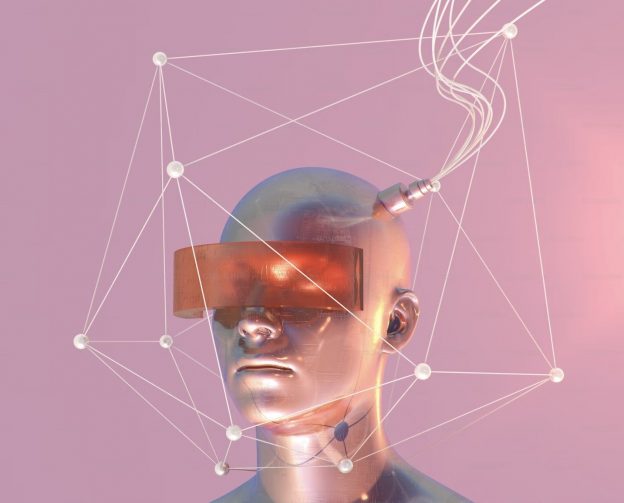
Visualizing digital learning through AI, VR, and mobile platforms – educational technology illustration.
I also want to use tools like Canva and Notion more actively, not just to be more organized, but to express ideas creatively. Personalized learning has taught me that there’s no one ‘right way’ to learn, and I’m starting to trust my own process a lot more.
My Visitor & Resident Model Map
To better understand my own digital behavior, I created a personalized Visitors and Residents model. It maps out the platforms I use based on whether I’m acting as a visitor or a resident and whether it’s for personal or institutional use.
My personalized Visitors and Residents Map based on Dave White & Alison Le Cornu’s framework.
Thank you for sharing such a thoughtful and inspiring post! I really appreciated how you blended your personal and professional experiences, it made your reflections feel so genuine and relatable. One thing that really stood out to me was your emphasis on how education isn’t linear. That point, along with your insights about parenting, trauma-informed practice, and community-based learning, helped me reflect on how much informal learning I’ve also gained outside traditional spaces.
Another part I found super helpful was your section on digital literacy. Your mention of using Canva for both school and your parenting brand showed how transferable these skills can be beyond the classroom. It reminded me that tools we’re learning in this course can support other parts of our lives, not just academics.
I worry that the post is so full of rich reflections that some readers might miss the connection to the course readings and resources. I wonder if you could include one or two more direct mentions of how specific ideas from the PLN or digital literacy readings influenced your thinking?
Also, I really liked the clean and calming layout of your blog. It reflects the thoughtful tone of your writing. I wonder if adding a few more visuals or headings might make your sections even easier to follow?
Overall, this was a beautiful read, thank you for being so open and intentional in how you shared your story. I’m excited to learn alongside you this term!
Thank you for sharing your blog! I really enjoyed reading it, especially how you brought in personal stories like your Instagram break and how that shift helped you feel more present. I also found your reflection on using social media with intention super relatable. Following accounts that align with your goals, like Opto-Mization, shows a great example of building a meaningful PLN (personal learning network).
One thing I appreciated about your post is how clearly you broke down the potential and limitations of social media in education. The section where you talked about the surface level nature of some content really stood out. I worry that this happens more often than we realize, and I wonder if you could expand on how students or educators can recognize when content is too simplified to be helpful. Maybe giving an example of a time when surface-level content misled you or someone else could make it even more impactful?
Also, your blog layout is really clean and inviting! The images are well-placed and add a personal touch. I did notice the site menu is a bit hard to find , maybe adding a more visible menu bar or clear category tabs could help readers navigate through your posts more easily.
Overall, I think you’ve done a great job. Just a quick reminder to double check the rubric to make sure all required media elements (like links and alt text) are included, just in case!