More Than Just a Username
I used to think digital identity was just about having an Instagram or Facebook profile, but I’ve come to realize it’s much more complex than that, it’s the sum of how we show up online, including what we post, comment on, like, or even search. Whether we realize it or not, we are constantly building a digital version of ourselves that others interact with, often without us even knowing.
Digital Identity: Personal Meets Professional
My own digital identity floats between personal and professional. On Instagram, I mostly post for fun, sharing moments with friends or funny reels. But I also follow psychology pages, academic influencers, and learning-related accounts which contribute to my learning. On LinkedIn, I keep things professional, sharing academic achievements or networking with classmates. But even there, the tone I choose says something about me. This made me think about how personal and professional lines are blurring online.
One concept that helped me frame this was the ‘Visitors and Residents’ model. In visitor mode, I use the internet as a tool, like Googling a question or checking Brightspace. But in resident mode, I’m building my digital footprint, through commenting, posting, and engaging with others online. Most of my daily online behavior is actually in resident mode.

Visitors and Residents Model – Dave White & Alison Le Cornu (CC BY-SA 3.0)
Personalized Learning: Not What I Thought
Before this class, I used to think personalized learning just meant self paced study or learning on your own. But now I understand it’s about having choice and voice in how you learn. For me, this looks like choosing to watch a YouTube video to better understand a topic, or reading blog posts instead of textbooks when I want another perspective.
Personalized learning has made me feel more in control and more connected to what I study. For example, in this course, we’re encouraged to build our own Personal Learning Network (PLN), using platforms like Discord, Instagram, and even LinkedIn to learn from others. I realized I already do this without calling it that, by following creators who post psychology content or joining Reddit threads about mental health.
One video that helped me connect the dots is this short clip on YouTube . It breaks down how personalized learning supports different types of learners and helps them take ownership of their education.
Visitor vs. Resident: Where Do I Fall?
The Visitors and Residents model really helped me understand my online behaviors. In some spaces, like searching JSTOR or checking UVic email, I’m a clear visitor, I go in, do what I need, and leave no trace. But on platforms like Instagram, YouTube, or LinkedIn, I’m definitely a resident. I leave comments, share posts, create content, and engage with others regularly.
This reflection has made me think more intentionally about my digital footprint. Would I want a future employer to see my Instagram? Am I posting things that reflect who I truly am, or just trying to fit into an algorithm?
A great resource that explores this topic further is “Digital Footprint: Maintaining a Professional Internet Presence” by Midwest Institute. It explains how your online presence can shape how others view you, especially in academic and professional settings, and why managing it proactively is so important.
Growth is Ongoing
While writing this blog it more so made me realize that digital identity isn’t fixed. It evolves just like we do in real life. I want to be more intentional moving forward, not just in managing my online presence for the sake of appearances, but because I genuinely want my digital identity to reflect who I am and what I care about.

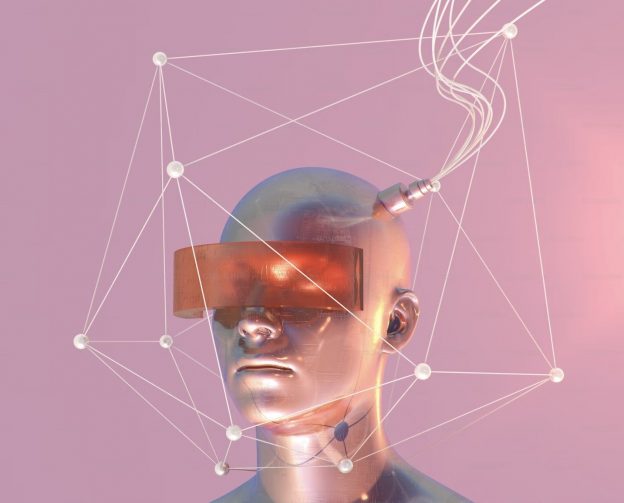
Visualizing digital learning through AI, VR, and mobile platforms – educational technology illustration.
I also want to use tools like Canva and Notion more actively, not just to be more organized, but to express ideas creatively. Personalized learning has taught me that there’s no one ‘right way’ to learn, and I’m starting to trust my own process a lot more.
My Visitor & Resident Model Map
To better understand my own digital behavior, I created a personalized Visitors and Residents model. It maps out the platforms I use based on whether I’m acting as a visitor or a resident and whether it’s for personal or institutional use.

My personalized Visitors and Residents Map based on Dave White & Alison Le Cornu’s framework.