
Hello my name is Karen!

About me
I’m a physics major with a love for all things motion. When I’m not buried in equations, you’ll probably find me chasing down a disk in ultimate or hitting the tennis court. Lately, I’ve had Island in the Sun by Weezer on repeat. Give it a listen below and let me know what you think!
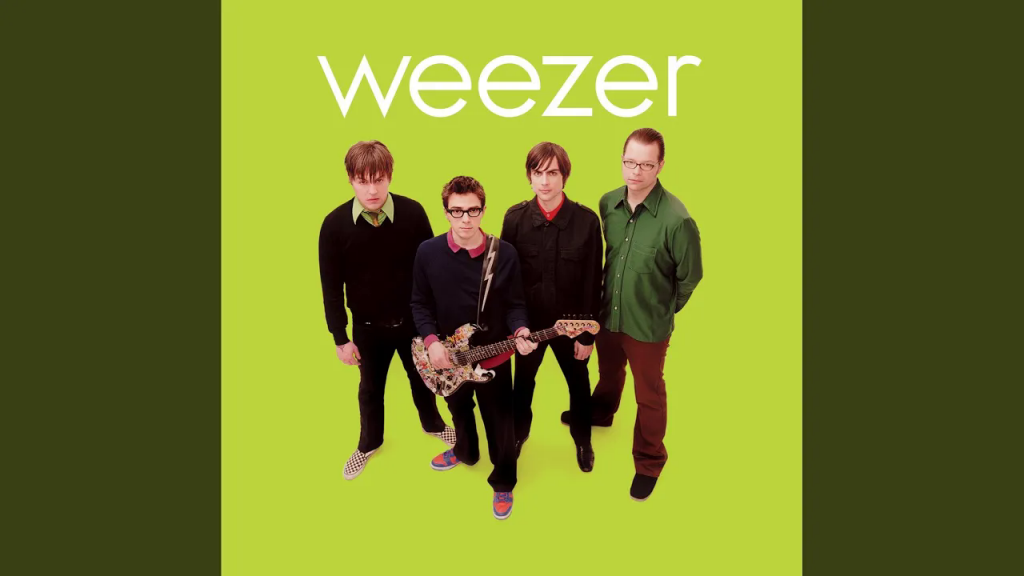
Island in the Sun – Weezer
I listen to music almost constantly. Some of my favorite bands include Metallica, My Chemical Romance, Nirvana, and of course, Weezer. My mom’s influence shaped a big part of my music taste, so I grew up enjoying ’80s and ’90s artists like ABBA, Modern Talking, Céline Dion, Backstreet Boys, and Selena. While she filled our home with music, my dad encouraged me to pursue my academic goals with confidence. As an electrical engineer, his belief in me sparked my love for science and a curiosity about the connections between us and the world.
But growing up, I didn’t always have the best study habits. This is something I now realize was closely tied to how I used social media. I often turned to it as both a resource and a distraction, spending time watching YouTube or endlessly scrolling through Instagram. These habits led to poor time management and negatively affected my mental health. However, I’ve learned from those experiences and am working to continue improving my habits, and hopefully help others do the same. That brings me to a question worth exploring: how can social media positively and negatively affect us and our learning?
How can social media leave an impact?

Social media serves as a valuable tool for connection, information sharing, and academic support, but it can also have detrimental effects when it leads to distraction, mental health challenges, or the spread of misinformation.
| Positive Effects | Negative Effects |
| Academic Support | Distraction from Studies |
| Global Connection | Procrastination |
| Creative Expression | Mental Health Strain |
| Career and Networking Opportunities | Sleep Disruption |
| Mental Health Resources | Cyberbullying |
| Social Activism | Privacy Risks |
How do the positive effects help?
- Access to study groups, educational videos, and online forums that explain difficult topics
- Builds communities across cultures and interests, allowing users to learn from diverse perspectives
- Platforms like Instagram, TikTok, or YouTube give users space to share art, music, writing, or projects
- LinkedIn and Twitter can help students connect with professionals and discover internships or job leads
- Many accounts share helpful advice, positive affirmations, and links to mental health support
- Gives youth a voice in social issues, allowing them to engage with movements they care about
How do the negative effects hurt?
- Constant notifications and scrolling can interrupt concentration and reduce productivity
- It’s easy to spend hours on social media instead of focusing on homework or studying
- Comparing yourself to others’ highlight reels or posts can lead to anxiety, low self-esteem, and depression
- Late-night screen time can reduce sleep quality, affecting academic performance
- Negative interactions online can harm confidence and emotional well-being
- Oversharing or lack of awareness about digital footprints can lead to personal and academic consequences

Social media is a powerful tool. It can either support your growth or become a major distraction. The key is learning how to use it with intention and balance.
One reply on “Welcome to my first Blog Post in EDCI Learning”
Hi, this is a comment.
To get started with moderating, editing, and deleting comments, please visit the Comments screen in the dashboard.
Commenter avatars come from Gravatar.