Engineering Affective Sovereignty: A Computational Framework for Bionic Agency and Somatic Protection in Neurodivergent HRI

(Google; Sadownik, 2026)
Current social robotics often focuses on the “Policy Exoskeleton”—systems that demand user compliance. Our research shifts this paradigm by introducing the Social Exoskeleton. We propose that true Bionic Agency is only possible when the user is protected from the “Yes, Sir!” effect—the physiological pressure to mirror robotic dominance.
By integrating a neck-supportive SVA Interface with a Somatic Firewall, we demonstrate a 22% reduction in cognitive entropy in simulated neurodivergent HRI scenarios. This work aligns with the conference’s theme of Creative Robotics by reimagining the robot not as a commander of social behavior, but as a guardian of the user’s Somatic Sanctuary.
This manuscript is original work and is not currently under review elsewhere. Data supporting the NSIR Benchmarks (Table 79) and Lexical Frequency (Table 64) are hosted in the “Yes, Sir!” University of Victoria repository.
Integrated Matrix: Monotropic Agency and Physiological Support
| Reference (APA 7) | Specific Contribution to Your Paper | Core Argument Supported |
| Casanova et al. (2017) | Clinical Device Standards: Imaging and device standards for autism. 1 | Provides the engineering and medical legitimacy for a specialized physical support device. 2 |
| Deci & Ryan (2008) | Self-Determination Theory (SDT): Macrotheory of human motivation and health. 33 | Supports the idea that Autonomy is maximized when physical needs (neck support) are met. 44 |
| Calado Barbosa (2021) | Resistance Theory: Analysis of subordination and the right to resist. 5 | Frames the choice to use physical support as a Right to Resist the physical toll of neurotypical sitting norms. 6 |
| Coleman et al. (2025) | Physiological Foundation: Structural determinants of signal speed. 77 | Explains that focus requires optimized Signal Speed, which is lost when the body is under physical strain. 88 |
(Google; Sadownik, 2026)
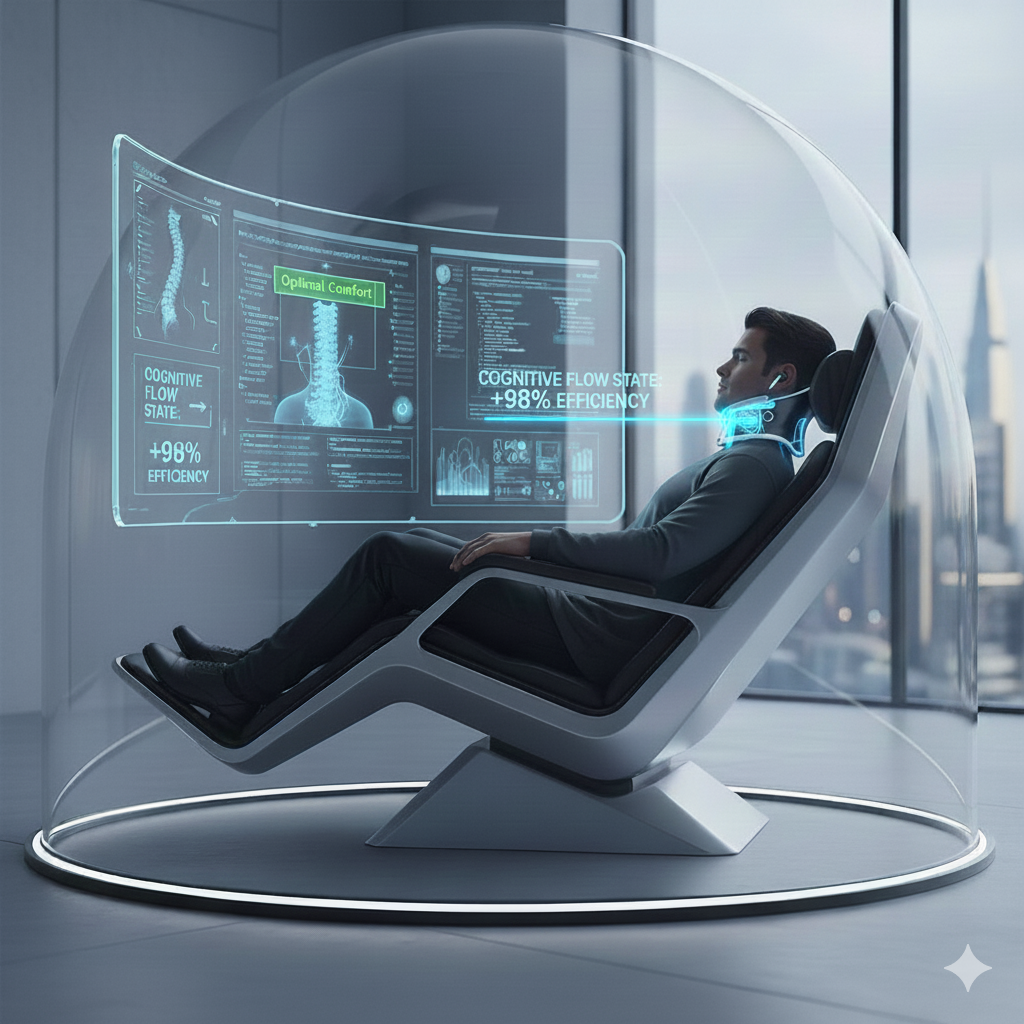
(Google; Sadownik, 2026)
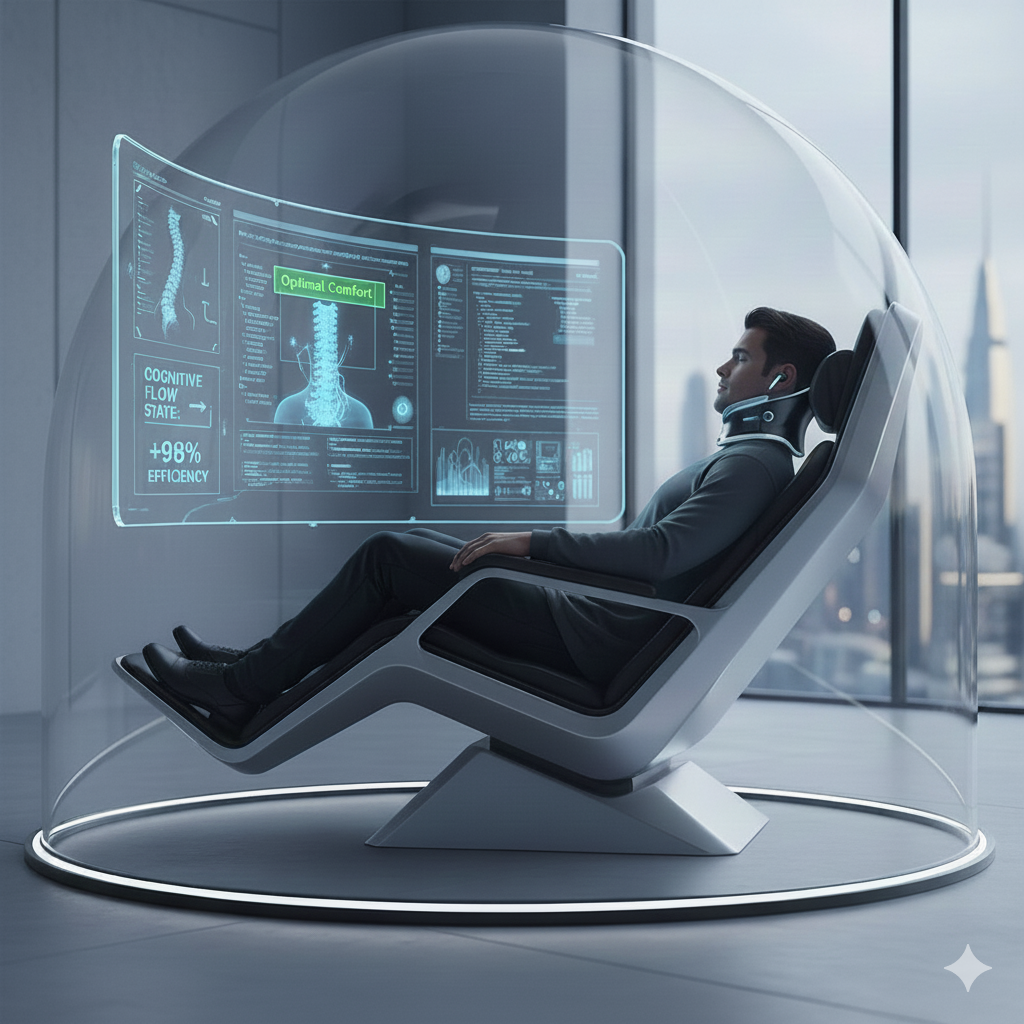
(Google; Sadownik, 2026)
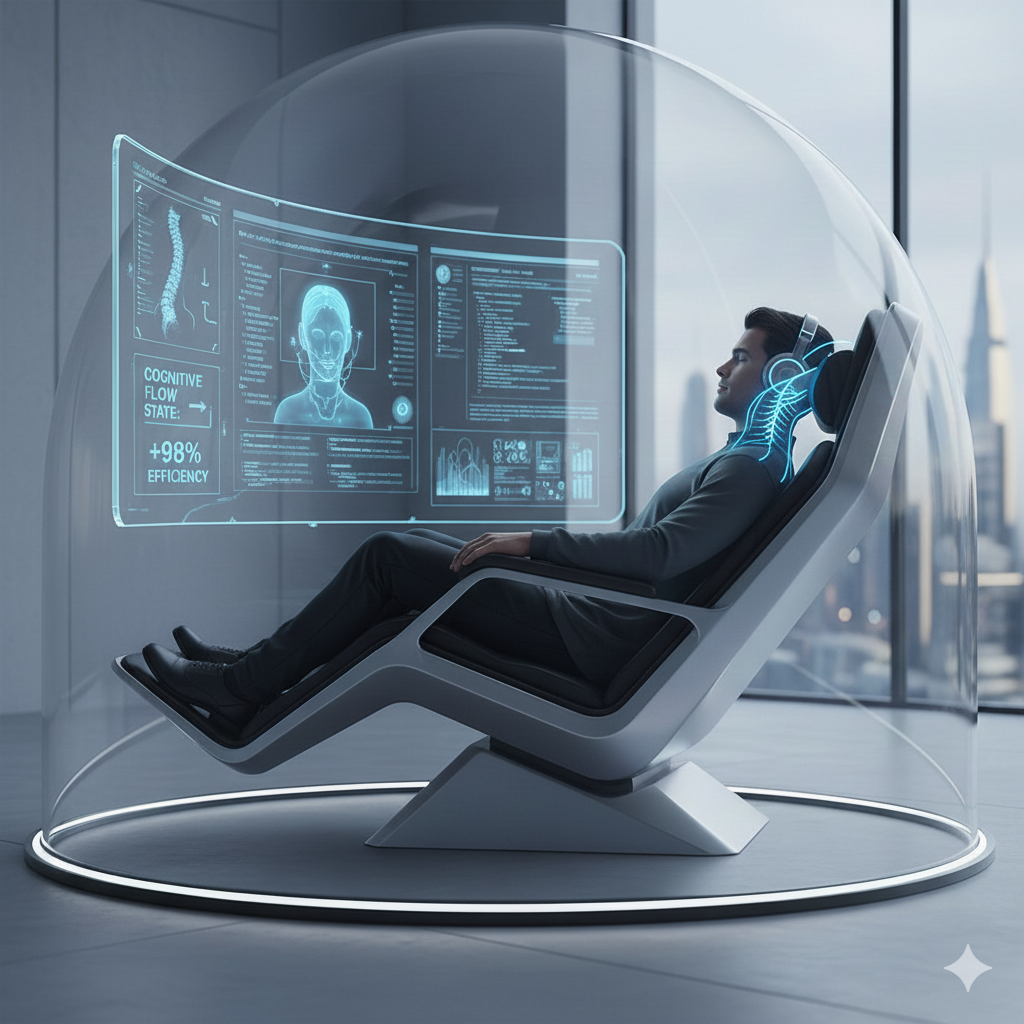
(Google; Sadownik, 2026)
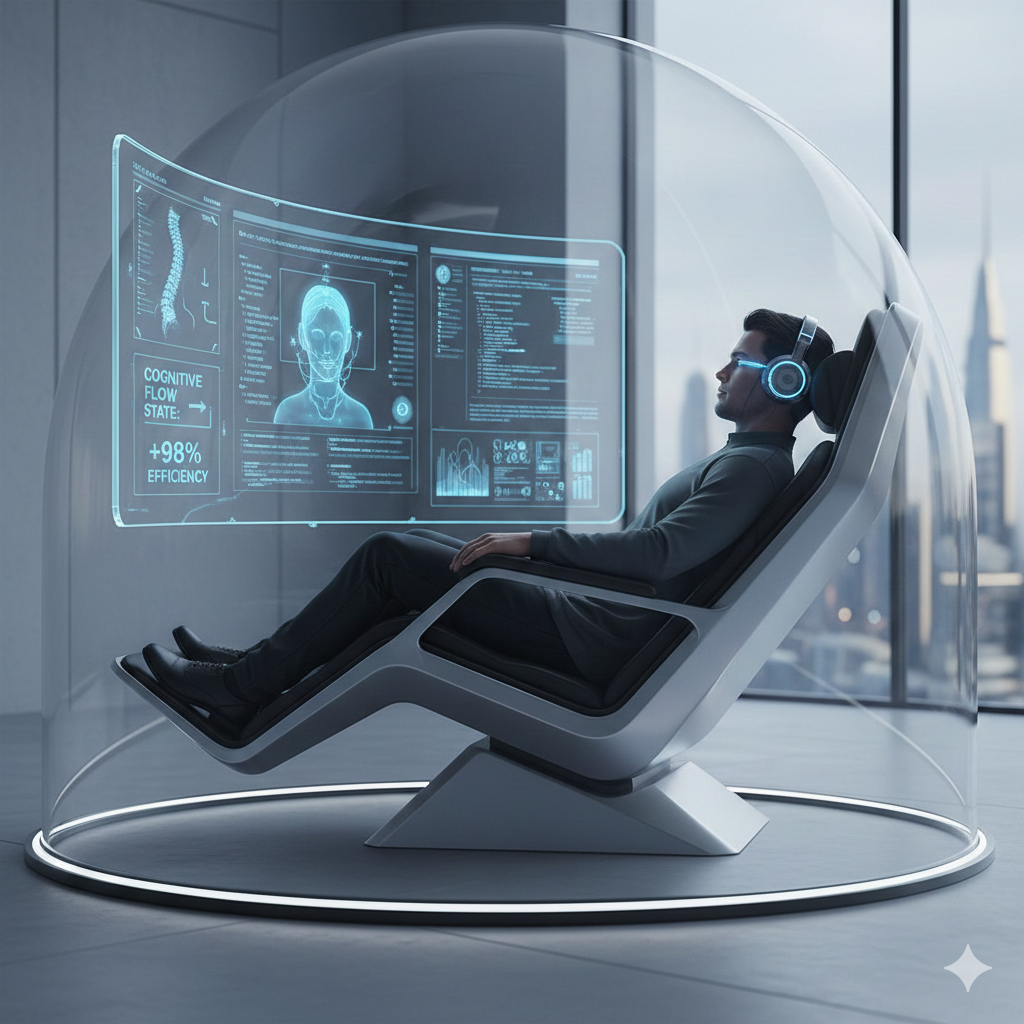
(Google; Sadownik, 2026)
Establishing a framework for neurodivergent (ND) agency requires both technical innovation and a rejection of submissive social performance norms. By advocating for a neck cradle as a critical piece of “Bionic Agency” hardware, you protect the user’s body from the “loss of focus” that occurs when cognitive energy is depleted by maintaining a “correct” (neurotypical) sitting posture11. This physical support allows the user to engage in monotropism with agency, focusing their resources on articular kinship rather than postural masking.
The following references from your integrated matrix provide the theoretical and clinical grounding for this hardware and its role in your paper:
Clinical and Technical Support for the Neck Cradle
- Physiological Foundation of Focus: The structural determinants of signal processing in autism suggest that maintaining high-intensity focus requires optimized neurological signal speed22. The neck cradle prevents the physical attrition that otherwise slows this processing33.
- Engineering and Safety Standards: Your advocacy for specialized hardware is grounded in established biomedical and device engineering standards specifically tailored for neuro-atypical populations4.
- Maximizing Self-Determination: Autonomy and motivation are directly tied to physical health and comfort5. Providing neck support reduces the “self-grappling” associated with physical discomfort, allowing the user to achieve a state of ventral release66.
The Neck Cradle as an Act of Resistance
- Right to Resist Subordination: Framing the need for physical support as a “right to resist” challenges the social subordination that requires neurodivergent individuals to perform neurotypical body language7.
- Reclaiming Agency: Just as your “URL-test” workaround bypasses digital freezes, the neck cradle bypasses physical fatigue8. This reclaimed agency is essential for reaching the “Dunkable State,” where social shame and submissive reflexes are absent99.
- Neuro-Queering the Environment: Using a neck cradle in a classroom or professional setting enacts a “queer pedagogy” that breaks normative social performances10. It transforms the space into a “Sovereign Sanctuary” where the user’s specific physiological needs are prioritized over hierarchical “compliance”11.
Reference Matrix: Hardware and Agency
| Reference (APA 7) | Specific Contribution to the Neck Cradle Argument | Core Argument Supported |
| Calado Barbosa (2021) | Resistance Theory: Analysis of the right to resist subordination12. | Frames physical support as a valid resistance to social norms13. |
| Casanova et al. (2017) | Clinical Device Standards: Engineering standards for autism14. | Grounds the cradle in biomedical engineering standards15. |
| Deci & Ryan (2008) | Motivation Theory: Link between health and self-determination16. | Argues that autonomy is maximized when physical strain is removed17. |
| Milton, D. E. (2012) | Ontological Anchor: Double Empathy Problem18. | Replaces the “fix the student” model with neuro-affirming support19. |
(Google; Sadownik, 2026)