
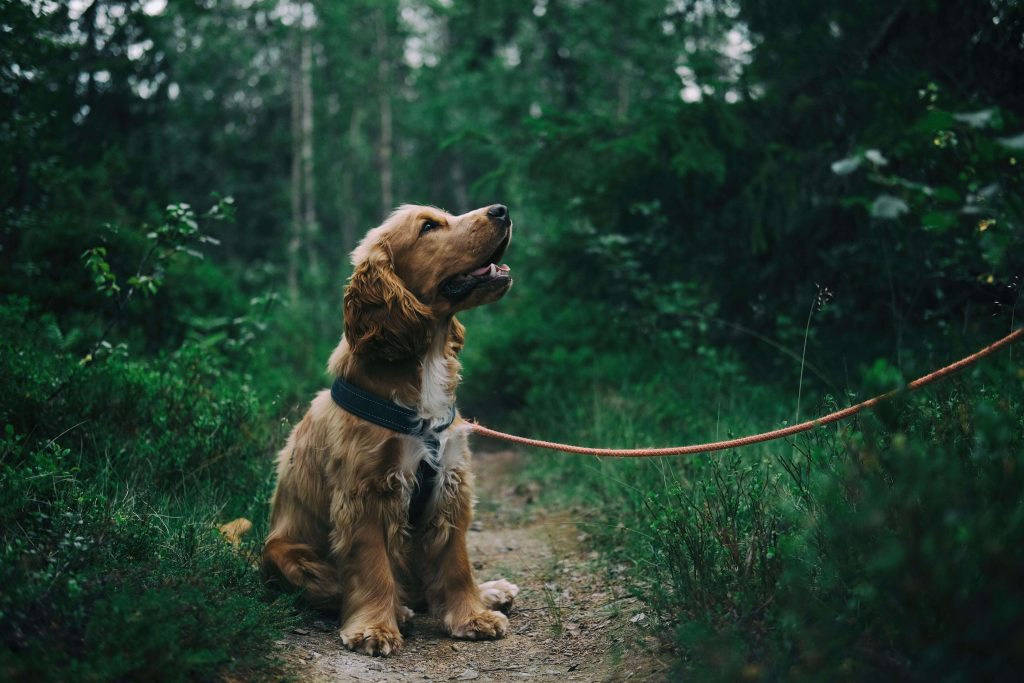
IALH Research Fellow Ryan E. Rhodes has co-authored a new research article entitled Dog and Guardian Relationships: Application of a Dual-Process Actor–“Partner” Interdependence Model to Predict Regular Walking. Collaborating authors include Sarah B. E. Hough, Chris A. Graham, and Alfred S. Y. Lee. The article was published in Behavioral Sciences.
Abstract:
Physical inactivity is a major global health risk, yet many fail to meet activity guidelines. Dog guardianship has been linked to increased physical activity, though the dog–guardian walking relationship remains understudied. This study applied the Actor–Partner Interdependence Model (APIM) to examine how guardians’ and dogs’ dual-process constructs influence walking behaviour. A sample of 127 Canadian dog guardians reported their walking habits, hedonic motivation, and expectations (Time 1) for themselves and their dogs, with follow-up walking behaviour assessed after three weeks (Time 2). Structural equation modelling revealed significant covariation in dog–guardian walking (r = 0.38, p = 0.03), supporting APIM. Guardians’ hedonic motivation (β = 0.37, p = 0.02) and expectations (β = 0.38, p = 0.02) predicted both human and dog walking. Findings confirm that guardians are the primary drivers of walking, suggesting interventions targeting guardian motivation and expectations may enhance physical activity in both humans and dogs, benefiting health.
To read the full article, see https://doi.org/10.3390/bs15050607