RSVP for this event at https://www.aucmed.edu/about/events/auc-up-close-in-victoria?vc=000498
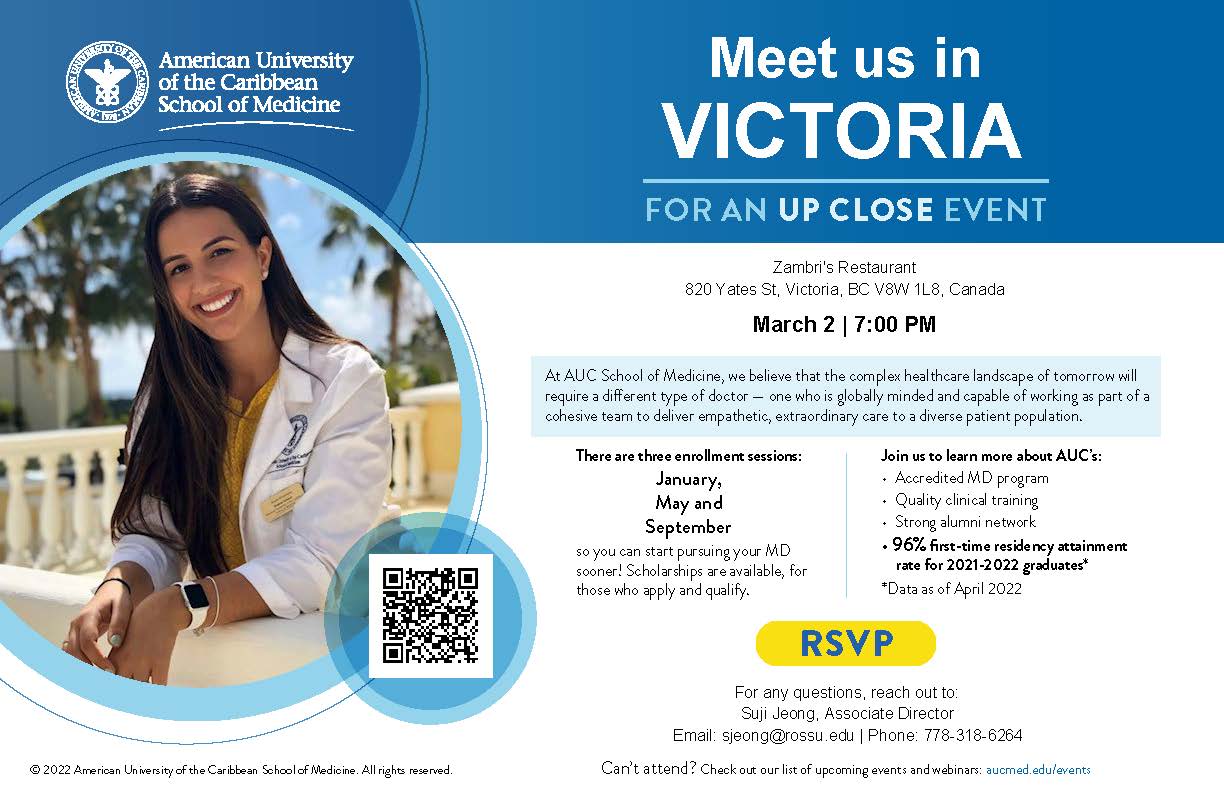

RSVP for this event at https://www.aucmed.edu/about/events/auc-up-close-in-victoria?vc=000498
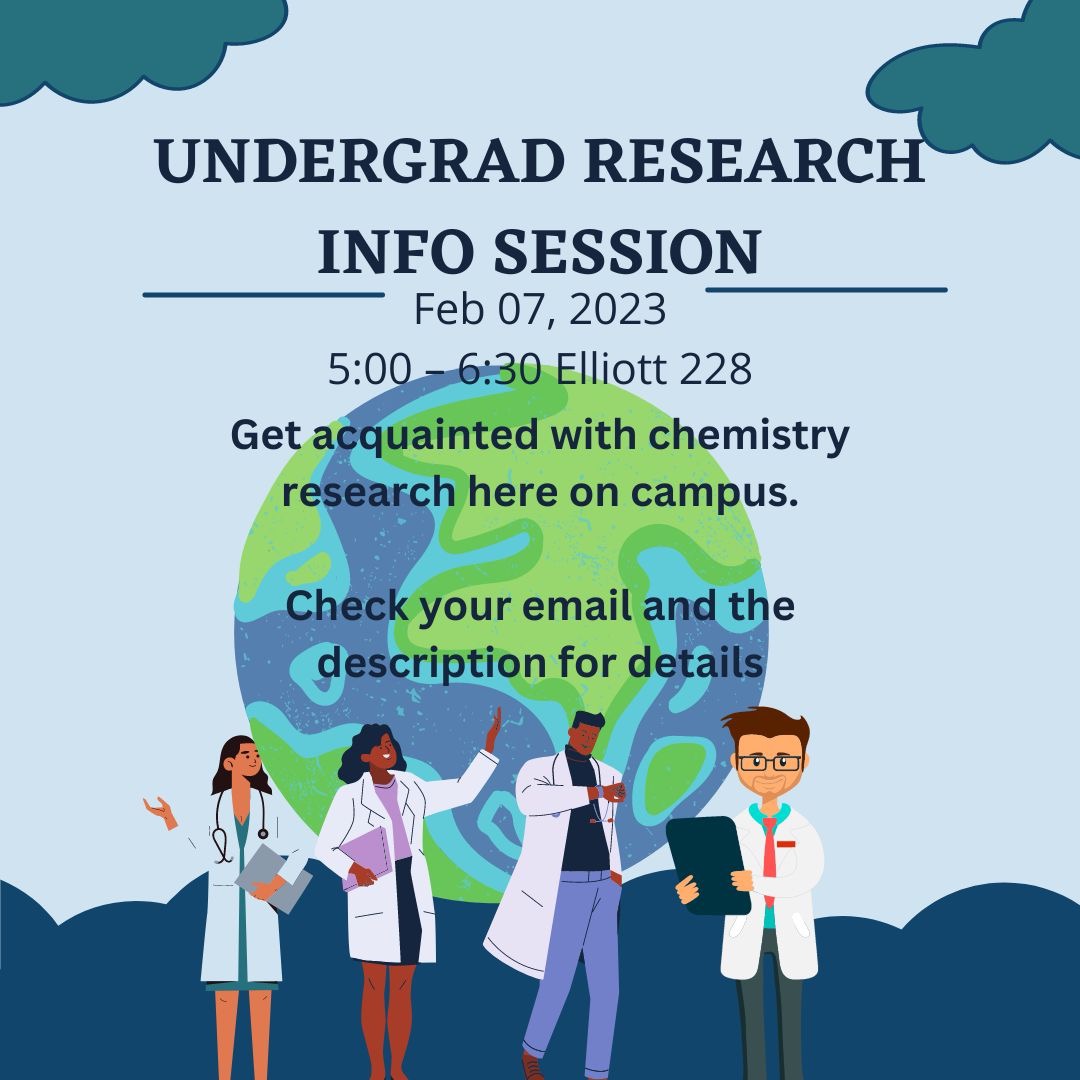
The Chemistry Seminar Program brings visitors from across Canada and beyond to present seminars in their area of expertise. The seminars are open to everyone, including undergrad students.
Monday February 6
11:30 am
ECS 116 and Zoom
Computational modelling of chemical reactions at surfaces
Irina Paci
UVic – Chemistry Department

https://uvic.zoom.us/j/83657240884?pwd=3pDZp5892dS4gsAKoaplX1t2j9kgbh.1
Meeting ID: 836 5724 0884
Password: 379943
The Chemistry Seminar Program brings visitors from across Canada and beyond to present seminars in their area of expertise. The seminars are open to everyone, including undergrad students.
Monday January 30
11:30 am
ZOOM
https://uvic.zoom.us/j/83657240884?pwd=3pDZp5892dS4gsAKoaplX1t2j9kgbh.1
Meeting ID: 836 5724 0884
Password: 379943
Cameron Jones
Monash University

Magnesium (I) Compounds: Humble Reagents with Noble Intentions in Synthesis and Small Molecule Activations
Since the synthesis of the first stable magnesium(I) compounds was achieved in 2007, the unique properties that these species possess has lent them to use as versatile reducing agents in both organic and inorganic synthetic protocols.[1] The products of such reactions are often inaccessible using more classical reducing agents. We have recently developed several classes of highly activated magnesium(I) and “masked” magnesium(I or 0) systems, and have shown these to be markedly more reactive than their established counterparts. In this lecture it will be shown that these, and related heavier alkaline earth, compounds are powerful reagents for the “transition metal-like” activation of catalytically relevant small molecules and inert arenes (e.g. CO, H2, C2H4, N2, C6H6) (Figure 1).[2-6] In several cases, small molecule activations are redox reversible under mild conditions, which gives hope for the eventual incorporation of cheap, non-toxic magnesium(I) (and heavier group 2 metal) compounds into catalytic cycles, normally requiring expensive and toxic late transition metal complexes to proceed.
Interested in a career in health care? Check out the BC Cancer Open House on January 31. Register for this free event here:
https://www.eventbrite.ca/e/bc-cancer-victoria-career-path-open-house-tickets-506650985737.
Registration is limited so reserve your spot soon!

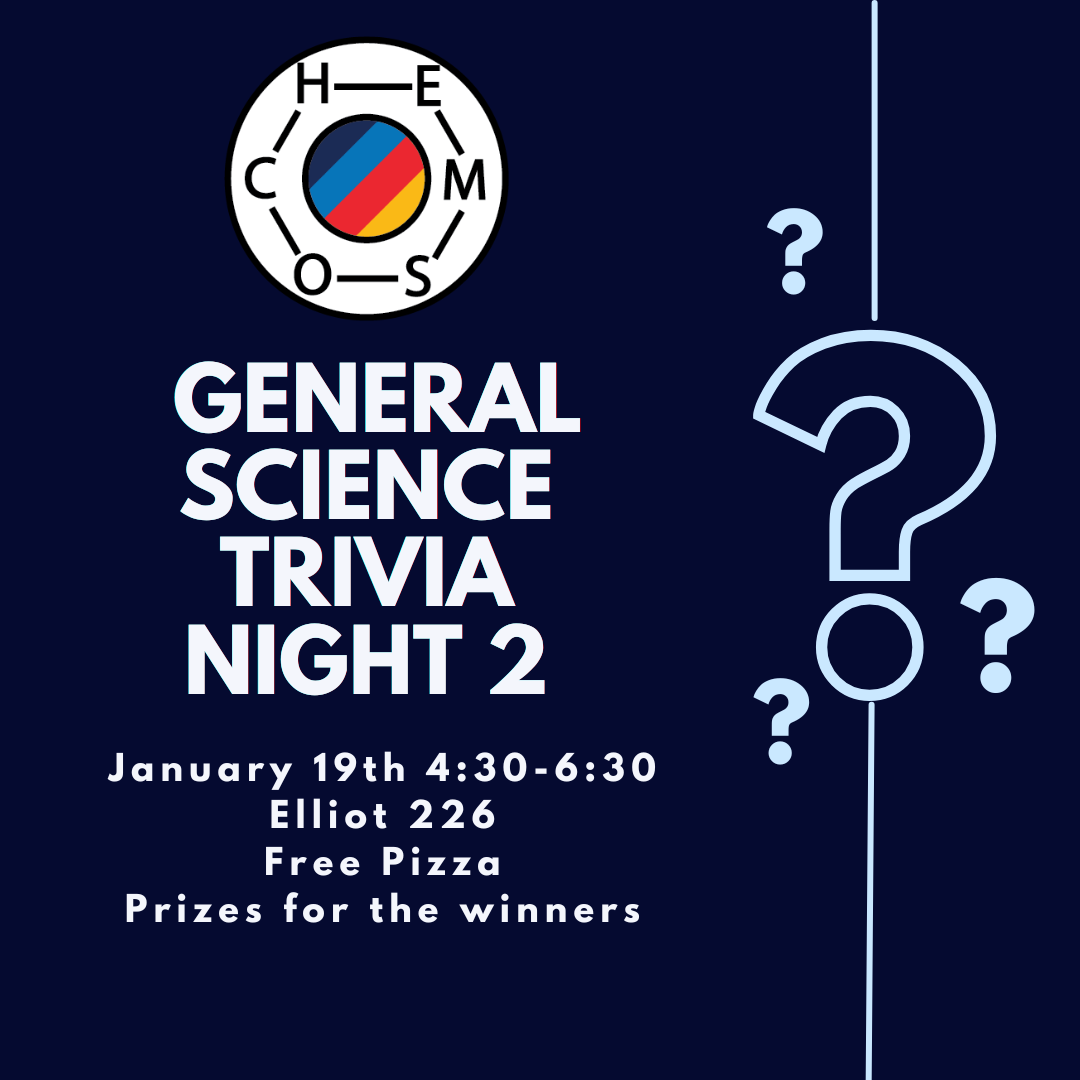
The Chemistry Seminar Program brings visitors from across Canada and beyond to present seminars in their area of expertise. The seminars are open to everyone, including undergrad students.
Monday January 16
11:30 am
Engineering and Computer Science Bldg, Room 116
Morris Bullock
Pacific Northwest National Laboratory
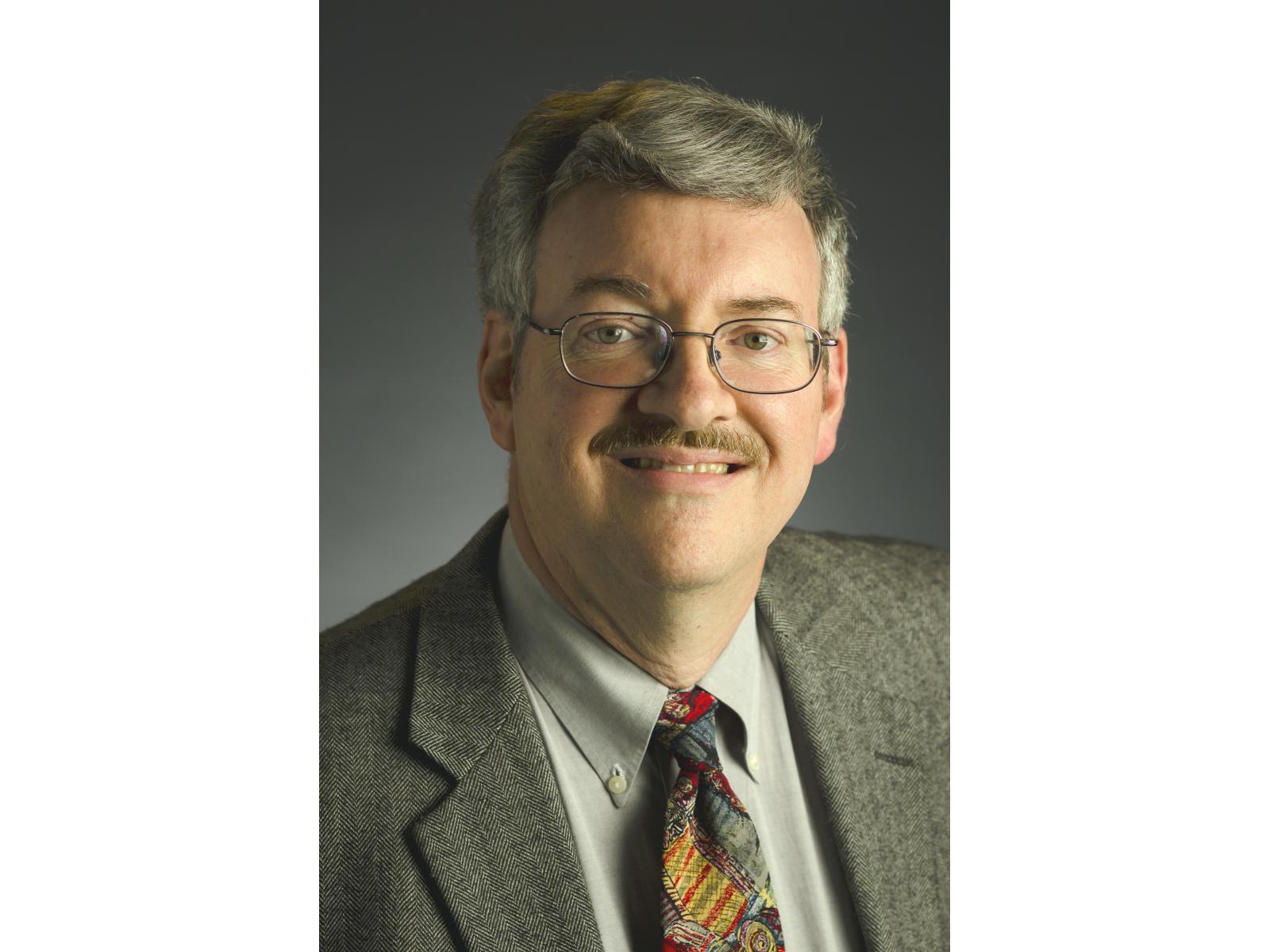
Stalking and Capturing Elusive Monomeric Copper Hydrides
Copper hydrides were first reported in 1844; their value as catalysts for organic reactions has significantly expanded in the last two decades. Copper hydrides with NHC (NHC = N-heterocyclic carbene) ligands typically exist as dimers, [(NHC)Cu(m-H)]2. The kinetics of insertion of organic substrates into the Cu-H bond are determined by the electronic properties of the substrates. Conversion of the dimer to a monomeric species or insertion into the Cu-H bond can be rate-determining. Remote ligand modification can have a large effect on the dimer-monomer equilibrium, even when substituents are several bonds away from the copper. Destabilization of the [(NHC)Cu(m-H)]2 dimer relative to the (NHC)Cu-H monomer enables the isolation of rarely observed Cu-H monomers. These highly reactive monomeric complexes insert tri-substituted alkenes into the Cu-H bond.
The Chemistry Seminar Program brings visitors from across Canada and beyond to present seminars in their area of expertise. The seminars are open to everyone, including undergrad students.
Monday January 9
11:30 am
Engineering Computer Science Bldg, Room 116
Tehshik Yoon
University of Wisconsin-Madison
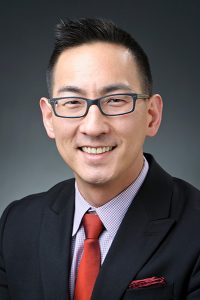
“Base Metals in Photoredox Oxidation Reactions”
Photocatalysis offers a uniquely facile strategy for the generation of a wide variety of open-shell intermediates, and the development of new photoredox transformations based upon their reactivity has been a major theme of research in the past decade. This broad effort has led to the development of a remarkable variety of net redox-neutral and, to a lesser extent, net-reductive transformations of significant synthetic utility. The development of net-oxidative photoredox transformations, in contrast, has been somewhat slower, due to the incompatibility of photoredox conditions with many of the terminal oxidants that are ideally suited to ground-state oxidative catalysis. We propose that simple base metal salts are inexpensive, earth-abundant, and environmentally benign terminal oxidants that readily support the one-electron oxidation state changes typical of photoredox reactions. Their incorporation into the design of photoredox reactions enable a broad range of useful net oxidative photochemical transformations.