Blog Post #4

Getting to Know the BC Curriculum

Throughout this course, I have gained a more comprehensive understanding of the BC curriculum’s structure and guiding principles. As someone who has grown up in this education system all my life, and who aspires to stay here to pursue my teaching career, I must understand the foundation to help guide and implement into my lesson planning. Before exploring this topic, I was unsure about how teachers knew what material to teach, and how to teach it. Although I was aware of the existence of the BC curriculum, I had a very basic understanding and was unaware of the multiple components that it is comprised of. This framework is a provincial guideline, so as a teacher I will be required to implement it into each of my lessons. But I hope to incorporate as many of the learning standards included within the big ideas, curricular competencies, and content components as I can to create intentionality and purpose to what and how I teach.

Video on the Transformation of BC’s Curriculum

Universal Design of Learning
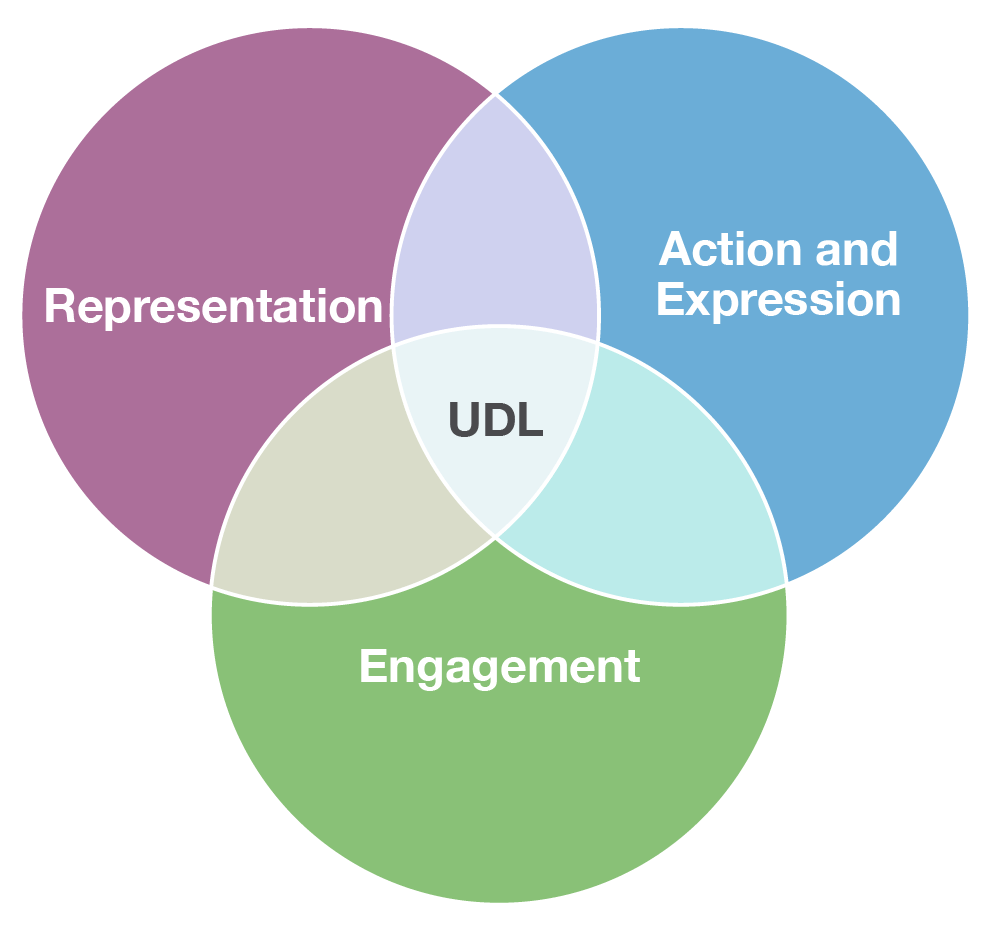
I found the Universal Design of Learning a very interesting topic. Especially in a time of vast change and innovation, acknowledging the fact that within education there are different ways to engage learners and represent and present information. For example, including verbal, physical, and visual demonstrations of skills are different options for presenting information within a physical and health education class to teach to different learning styles. The creation of the UDL model is an important stepping stone for developing a more personalized and supportive approach towards student learning. Through accepting diversity, and learning differences that are inevitable within the classroom environment, UDL has played an important role in helping people overcome various barriers that may have prevented one from receiving quality education before. It has shown me that there is not “one size fits all approach” to teaching and that a good teacher can tailor and adjust their teaching style in a way that resonates and fits with everyone’s needs. I certainly look forward to this aspect of teaching as I see this as a challenge I am excited to tackle! 

Article Discussing the Effectiveness of Implementing UDL within Educational Settings

Journey in Understanding Physical and Health Education

My understanding of Physical and Health education is certainly one that has grown from just the start of the term until now. Before, I focused mainly on the physical aspect revolving around the teaching of fundamental movement skills, maintaining physical fitness, and teaching sport-specific skills. However, this course has shown me to also value the health component as well, touching on various health-related topics such as mental health, nutrition, sleep, and the overall benefits that physical activity has on one’s overall mental, social, and physical well-being. In doing this, it not only helps to support the lifelong health and well-being of students by equipping them with the knowledge and skills to take responsibility for their health by making positive lifestyle choices and building healthy habits. A physical and health education teacher is tasked with a big job, and ultimately has a lot of power in setting students up for lifelong success in leading healthy and happy lives and is one reason why I believe I would love to become a physical and health education teacher in the future.

According to Physical and Health Education Canada (2025), the PHE curriculum is viewed as being “a shared responsibility with each province and territory taking leadership to develop its own response to local and contextual differences.” 

Check out this link to explore how the physical and health education curriculum is being carried out in each province

References

Physical and Health Education Canada. (2025). Physical and Health Education Curriculum in Canada. PHE Canada. https://phecanada.ca/about/physical-and-health-education-curriculum-canada 

Blog Post #3

My podgroup is choosing to explore the role of sleep on the overall health and well-being of individuals. This topic pertains to all of the broader themes of active health, including physical literacy, healthy and active living, social and community health, and mental well-being as outlined below:

Physical Literacy

Getting good quality sleep has been linked to enhancing one’s cognitive functioning and consequently overall motor memory. Children’s Hospital Colorado (2025), along with other reputable sources, continue to highlight how increased sleep corresponds with better reaction time, fast-decision making, and coordination and helps with greater overall muscle memory; skills that are integral in the development of one’s physical literacy. Having sufficient sleep allows for optimal skill development to occur and therefore makes it easier for one to participate, adapt, and learn new physical activities.

Healthy and Active Living

Sleep and physical activity are also closely linked. By giving the body and mind a chance to reset and recharge, it helps support the energy levels and motivation needed for one to engage with and successfully participate in physical activity and sports. Similarly, the more physically active someone is, the better quality sleep they are likely to have (Anawwar et al., 2023). As an athlete myself, I know this to be true as my best sleep comes after intense training sessions or games, and I struggle to sleep on days where I find myself being more sedentary. Sleep also works to help minimize one’s risk of injury by allowing the body to properly heal and recover after exercise, reducing another key component that has the potential to interfere with and hinder one’s ability to live a healthy and active lifestyle. 

Social and Community Health

Sleep also has an impact on our social relationships and interactions within our community. The more well-rested someone is, the more likely they are to engage with and participate in community activities as well as have the capacity to build and maintain strong personal relationships. Those who lack sleep are often more irritable and lack the capacity and willingness to engage in social settings, which can not only interfere with their ability to form strong social bonds with others, but also maintain existing relationships with peers as well. Therefore, this makes it difficult to build a strong sense of community with people failing to get involved in the first place and the quality of social and community involvement tends to suffer.

Mental Well-Being

Cycle of Sleep Deficiency According to the National Sleep Foundation

The relationship between sleep and mental well-being has been well researched. Studies show that sleep enhances one’s ability to learn, think, regulate emotions, and handle daily stresses. On the other hand, a lack of sleep has been linked to one’s susceptibility of developing various mental health disorders such as anxiety and depression according to numerous studies from Harvard Medical School (2024). The relationship between sleep and mental health is seen as a perpetual cycle. Less sleep contributes to increased stress levels, and increased stress levels causes less sleep leading to an overall decline in cognitive functioning.

Check out This Video on what Would Happen if We Didn’t Sleep! – It’s SCARY!

Connection to Health Competency Seminar

Sleep can have a serious impact on ones overall mental and phyical health directly afffecting ones capacity to live a healthy and active lifestyle. Despite expert opinions, and evidence supporting the negative effect that a lack of sleep can have, many of us our still falling short of the recommended amount.  Especially as university students trying to balance our busy school, work, and social lives, many times we fail to prioritize sleep so that we are able to fit everything in. An article published by Harvard (2024) highlighted that 70 – 90% of college students get under 8 hours of sleep each night and over half of them are sleeping less than the recommended 7 hours a night. This was a concerning statistic and one that has certainly motivated me to see the value in presenting this topic to my peers for the health competency seminar.

Harvard Article Discussing the Importance of Sleep In Students and Some Tips on How to Improve Overall Sleep Quality

Ideas for Creating an Engaging Seminar Presentation

  • Incorporating Videos – break up speaking content
  • Offer Opportunities for small group discussions 
  • Creating Polls/Surveys – chance for personal opinions
  • Allow time for questions – peers can clarify info to enhance their understanding
  • Kahoot quiz – test what they have learned and motivates peers to stay engaged

References

Alnawwar, M. A., Alraddadi, M. I., Algethmi, R. A., Salem, G. A., Salem, M. A., & Alharbi, A. A. (2023, August 16). The effect of physical activity on sleep quality and sleep disorder: A systematic review. Cureus. https://pmc.ncbi.nlm.nih.gov/articles/PMC10503965/ 

Sleep and teen athletes. Sleep for Student Athletes | Children’s Hospital Colorado. (2025). https://www.childrenscolorado.org/conditions-and-advice/sports-articles/sports-safety/sleep-student-athletes-performance/ 

Harvard Division of Continuued Education. (2024, December 17). Why you should make a good night’s sleep a priority. Harvard Summer School. https://summer.harvard.edu/blog/why-you-should-make-a-good-nights-sleep-a-priority/ 

Blog Post #2

Applying The Universal Design for Learning

The Universal Design for Learning (UDL)  is an approach to the current curriculum that aims to provide students with equal access and opportunities to succeed regardless of their abilities, cultural backgrounds, ages, etc. This model operates in a way that provides educators with choice and flexibility in how they deliver and structure their classes in a way that tailors to various learning styles. According to the UDL guidelines, the goal of this approach is to support learner agency, a process that welcomes active participation when making choices that serve various learning goals

Photo by Element5 Digital on Unsplash

It revolves around three central components: representation, action and expression, and engagement to accommodate the diverse needs within the learning environment. In the context of physical and health education, these guiding principles are critical in helping to facilitate an environment where all students can participate and benefit from the activities they engage in. 

Ways UDL Can be Applied Within a Physical and Health Education Setting:

  1. Multiple Means of Representation
  • Delivering information in a variety of different ways using verbal, physical, and visual demonstrations to appeal to all different types of learners 
  • For example: When actively teaching the correct technique for the complex skill of shooting a basketball, educators might use videos or diagrams along with a physical demonstration to outline the key points to performing the skill successfully
  1. Multiple Means of Expression
  • Giving students different ways that they can demonstrate their learning
  • For example: When exploring various health concepts such as nutrition or stress management, allow students the opportunity to explore particular topics and present what they have learned in creative ways such as infographics, slide presentations and videos
  1. Multiple Means of Engagement
  • Offering activities that are motivating and goal centered in a way that fosters collaboration and teamwork and facilitates strong social connections
  • For example: Instead of getting students to see how many layups they can make in a row individually, have them work in teams to foster a greater sense of motivation and build team camaraderie to increase overall engagement

Liberman-Brian Inclusion Rating Scale for Physical Education (LIRSPE)

What is it: Rating Scale that measures the efforts taken by teachers to include students with disabilites into the physical education environment 

Purpose: To evaluate whether or not the actions being taken by the teacher are providing those with disabilities equal physical education opportunities as their regular developing peers

How it Works:

  • Must be used over at least 3 physical and health education classes and include 1 child with a disability
  • Teachers receive the scale a day before they are evaluated to prepare
  • Raters watch class and circle number betwee 1-5 pertaining to the descriptors listed:
    • 1=Poor- Student is not included in class
    • 2=Below- average Student is rarely included in class
    • 3=Average- Student is sometimes included but not all the time
    • 4=Above average- Student is mostly included in class
    • 5=Excellent- Student is fully included all of the time
  • To Calculate – Total number of descriptive scores/ number of descriptors used = Inclusion Rating (How well the teacher was able to include ALL students within the class)

Check out this video on how to Incorporate UDL in Physical Education Classes Through the Lieberman-Brian Inclusion Rating Scale!

Extending Beyond the Educational Environment

The UDL framework allows for flexible learning in a way that accommodates individual learning needs and preferences but it’s principles can extend well beyond the scope of education. By providing multiple means of representation, expression, and engagement this approach can also be useful in broader health and community settings as well. Ways in which UDL is useful in these contexts include:

  1. Increases Health Literary 
    • Allow us to present info in a way that can be read and understood by all regardless of language or cognitive abilities 
    • Lets people communicate and demonstrate their health knowledge in multiple different ways leading to enhanced communication with healthcare professionals
    • Deliver health messages in a way that motivates and inspires a large population (i.e. using facts as opposed to soft stories to show the importance of healthy eating)
  2. Improve Accessibility
    • Design and adapt community programs so that they can be equally accessed by all regardless or physical or intellectual disablilities
  3. Develop Effective Personalized Health Programs
    • Tailor programs based on individual needs, goals, limitations, strengths to help them achieve health related goals
    • Encourage people to take ownership of their own health and well-being by empowering a self-directed learning approach
  4. Consider and Accept Cultural Diversity
    • Deliver programs in a way that considers the beliefs, practices, and barriers of different cultures (i.e. having materials written in different languages, including cultural practices such as medicinal treatments used by Indigenous peoples along with modern health interventions

By using the UDL framework in broader health settings and communities we can deliver more effective, inclusive, accessible, and personalized health services and programs that resonate with all people regardless of cultural differences and barriers. This ensures better outcomes for all!

References

Kuzik, N., Costa, B. G. G. da, Hwang, Y., Verswijveren, S. J. J. M., Rollo, S., Tremblay, M. S., Bélanger, S., Carson, V., Davis, M., Hornby, S., Huang, W. Y., Law, B., Salmon, J., Tomasone, J. R., Wachira, L.-J., Wijndaele, K., & Saunders, T. J. (2022, April 5). School-related sedentary behaviours and indicators of health and well-being among children and youth: A systematic review – international journal of behavioral nutrition and physical activity. BioMed Central. https://ijbnpa.biomedcentral.com/articles/10.1186/s12966-022-01258-4 

Blog Post #1

Featured Photo by Kenny Eliason on Unsplash

“Take care of your body. It’s the only place you have to live.” – Jim Rohn

About Me – A Catalyst to my Educational Journey

Photo by Vlad Bagacian on Unsplash

My name is Brianne McLeish, a second-year student pursuing a physical and health education degree to become an elementary school teacher in the future. When I reflect on the experiences influencing my educational journey, my involvement in coaching UVIC track and field camps comes to mind. Over the years, I have had the privilege of working with a variety of youth-aged kids and have gotten to see firsthand just how much of an impact I can have on determining the relationship and attitude kids develop towards the topics of physical activity and health. I will never forget an interaction I had with a parent of one of the kids in my camp at the end of the week. She voiced how her daughter was originally reluctant to take part in the camp due to her inexperience in engaging in physical activity and sports. However, because of my efforts to help her feel successful in the activities she was partaking in, she grew to enjoy being active and trying new skills and was disappointed to be leaving camp at the end of the week. I will never forget how rewarding this was to hear, and this certainly acted as a catalyst in influencing the educational path I find myself following today.

Active Health Education

Physical and health educators hold a unique role and responsibility to help empower and inspire students to take control of their health and well-being. Engaging in active health education encourages young people to view health as a more holistic concept recognizing that physical fitness is only one component that comprises health. To do this educators must understand the various key aspects included in models such as the 24-hour movement guidelines. With a deep understanding of the common movement behaviors that occur throughout the day, educators become well-equipped to tailor their approaches toward facilitating an environment that aligns with the guidelines presented. For example, at my elementary school daily physical activity (DPA) was a measure put in place on the days when we did not have physical education classes. By doing this, my teachers were ensuring that were still meeting the daily recommendations for light activity and limiting sedentary behavior. However, without educators being aware of evidence-based guidelines such as the model outlined above, and the importance of implementing these types of measures would certainly be overlooked. By following, promoting, and prioritizing the suggestions concerning sleep, sedentary behavior, physical activity, and light activity, educators can help guide individuals toward leading healthier and happier lives.

Sidelining Sedentary Behaviour

The International Journal of Behavioural Nutrition and Physical Activity estimated that globally, children spend an average of 8 hours a day being sedentary making up half of their time awake (Kuzik et al., 2022). There is a growing body of evidence that continues to emerge that links sedentary behavior to various chronic health conditions. Fortunately, organizations such as Physical and Health Education Canada provide educators with recommendations to limit this behavior to promote a more active lifestyle and mitigate the risks associated with inactivity.

Article by Physical Health Education Canada on Sedentary Behaviour

Article By the International Journal of Behavioural Nutrition and Physical Activity

The Sport-Centric Approach 

I believe the sport-centric approach is the biggest barrier preventing youth from engaging in physical activity. Focusing on competitive sports and instilling a performance-based mindset excludes those who may not be as athletic or feel as confident in their abilities. By focusing on competitive sports this approach tends to make non-athletes more likely to avoid engaging in physical activity and develop a negative attitude toward physical education. As a result, many of these kids turn to more sedentary activities such as video games and social media to fill their time, further perpetuating the cycle of inactivity. Instead of promoting an environment that encourages everyone to engage in physical activity and sport simply for personal growth and enjoyment, having a goal-oriented approach often overshadows these aspects. As future health education leaders, we must work to address this issue by providing a more inclusive environment to all students regardless of their athletic abilities and skill levels. Strategies to achieve this could include:

  1. Offering Choice-based Physical Activity: Research shows that allowing students to choose the activities they participate in will help to improve their overall engagement and motivation to partake in physical activity. (Effect of offering choice during physical activity)
  2. Focusing on Fun and Enjoyment, Rather than Specific Goals and Objectives: Incorporate creative and fun movements within the class environment to get kids active without feeling pressure to perform and achieve a particular goal. Kids will feel more inclined to participate when exercise is fun and less of an obligation.
  3. Encouraging Health and Fitness as being a Lifelong Journey: Highlight the countless benefits that prioritizing one’s health and fitness has especially at an early age, in promoting one’s longevity and overall quality of life. Additionally, educators should expose students to a wide range of physical activities such as hiking and swimming that can be enjoyed even as they age. Doing this ensures that students continue to stay physically active and have the knowledge to make healthy choices throughout their lives.

References

Kuzik, N., Costa, B. G. G. da, Hwang, Y., Verswijveren, S. J. J. M., Rollo, S., Tremblay, M. S., Bélanger, S., Carson, V., Davis, M., Hornby, S., Huang, W. Y., Law, B., Salmon, J., Tomasone, J. R., Wachira, L.-J., Wijndaele, K., & Saunders, T. J. (2022, April 5). School-related sedentary behaviours and indicators of health and well-being among children and youth: A systematic review – international journal of behavioral nutrition and physical activity. BioMed Central. https://ijbnpa.biomedcentral.com/articles/10.1186/s12966-022-01258-4