
Getting to Know the BC Curriculum
Throughout this course, I have gained a more comprehensive understanding of the BC curriculum’s structure and guiding principles. As someone who has grown up in this education system all my life, and who aspires to stay here to pursue my teaching career, I must understand the foundation to help guide and implement into my lesson planning. Before exploring this topic, I was unsure about how teachers knew what material to teach, and how to teach it. Although I was aware of the existence of the BC curriculum, I had a very basic understanding and was unaware of the multiple components that it is comprised of. This framework is a provincial guideline, so as a teacher I will be required to implement it into each of my lessons. But I hope to incorporate as many of the learning standards included within the big ideas, curricular competencies, and content components as I can to create intentionality and purpose to what and how I teach.
Video on the Transformation of BC’s Curriculum
Universal Design of Learning
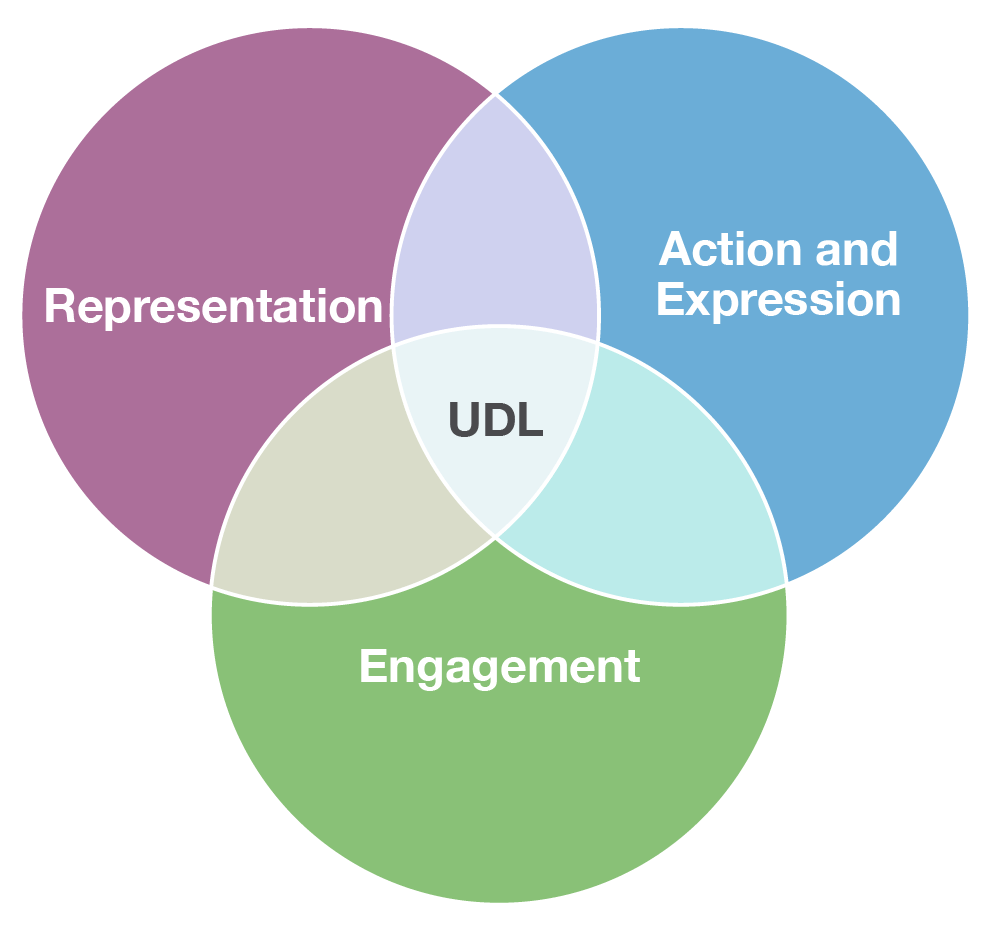
I found the Universal Design of Learning a very interesting topic. Especially in a time of vast change and innovation, acknowledging the fact that within education there are different ways to engage learners and represent and present information. For example, including verbal, physical, and visual demonstrations of skills are different options for presenting information within a physical and health education class to teach to different learning styles. The creation of the UDL model is an important stepping stone for developing a more personalized and supportive approach towards student learning. Through accepting diversity, and learning differences that are inevitable within the classroom environment, UDL has played an important role in helping people overcome various barriers that may have prevented one from receiving quality education before. It has shown me that there is not “one size fits all approach” to teaching and that a good teacher can tailor and adjust their teaching style in a way that resonates and fits with everyone’s needs. I certainly look forward to this aspect of teaching as I see this as a challenge I am excited to tackle!
Article Discussing the Effectiveness of Implementing UDL within Educational Settings
Journey in Understanding Physical and Health Education
My understanding of Physical and Health education is certainly one that has grown from just the start of the term until now. Before, I focused mainly on the physical aspect revolving around the teaching of fundamental movement skills, maintaining physical fitness, and teaching sport-specific skills. However, this course has shown me to also value the health component as well, touching on various health-related topics such as mental health, nutrition, sleep, and the overall benefits that physical activity has on one’s overall mental, social, and physical well-being. In doing this, it not only helps to support the lifelong health and well-being of students by equipping them with the knowledge and skills to take responsibility for their health by making positive lifestyle choices and building healthy habits. A physical and health education teacher is tasked with a big job, and ultimately has a lot of power in setting students up for lifelong success in leading healthy and happy lives and is one reason why I believe I would love to become a physical and health education teacher in the future.
According to Physical and Health Education Canada (2025), the PHE curriculum is viewed as being “a shared responsibility with each province and territory taking leadership to develop its own response to local and contextual differences.”

References
Physical and Health Education Canada. (2025). Physical and Health Education Curriculum in Canada. PHE Canada. https://phecanada.ca/about/physical-and-health-education-curriculum-canada