Tag Archives: Events

Gathering Recap: Bringing Together Voices and Perspectives on Housing Futures

By Madelaine Prince

Participants place sticky notes during a collaborative workshop activity.

On January 22–23, the Best Practices in Building Systems (BPiBS) project hosted Bringing Together Voices and Perspectives on Housing Futures, a two-day, in-person gathering in Vancouver that convened voices from across the housing ecosystem.

Participants from community organizations, government, industry, research, design, construction, and education sectors came together to explore shared challenges and opportunities shaping housing systems today, and into the future. The gathering created space not only for knowledge exchange, but for relationship-building and cross-sector dialogue grounded in lived experience and practice.

Systems-Level Conversations

Alongside technical discussions, conversations expanded to examine housing as a broader system, shaped by policy, operations, climate risk, design decisions, and the lived realities of residents and communities. Conversations emphasized housing as foundational to dignity, wellbeing, and long-term resilience.

Participants explored how factors such as affordability pressures, climate impacts, and infrastructure performance intersect to influence housing security and quality of life.

Futures & Foresight in Housing

Friday featured a dedicated strategic foresight session where attendees were invited to reflect on emerging trends and consider their potential implications over a 30-year time horizon. Participants then mapped these implications across an impact–uncertainty matrix, using the exercise to explore which forces may most significantly shape housing systems in the future.

Through this collective sensemaking process, participants examined how climate change, social shifts, technological change, and systemic barriers could influence housing outcomes in the decades ahead. Insights generated through this session will help inform the BPiBS team’s strategic thinking, shaping research priorities, and identifying areas where sector collaboration, innovation, and policy alignment may be most needed moving forward.

These conversations encouraged participants to look beyond immediate constraints and short-term pressures, opening space to consider more transformative, people- and ecosystem-centred futures for housing.

Contributing to the Living Compendium

A central focus of the gathering was shaping contributions to BC Housing’s Living Compendium – a collaborative, living digital resource that brings together research, practice, and lived experience to support better housing and building systems across British Columbia and Canada.

Contributions explored a range of formats, including:

  • Lived-experience reflections
  • Visual and creative submissions
  • Case studies
  • Design proposals
  • Policy critiques
  • Research insights

The Compendium aims to serve as an evolving knowledge resource to support learning, innovation, and systems change across the housing sector, and ultimately to support the rapid adoption of best practices for building systems.

Participants sit in a reflection circle at the close of Day 2 of the Gathering, sharing insights and closing thoughts.

Reflections from the Gathering

Attendees highlighted the depth and diversity of perspectives in the room, from technical experts to community advocates, and the value of intentional facilitation that created space for reflection, discomfort, and meaningful dialogue.

While critical challenges across the housing system were openly discussed, many participants shared that they left the event with a renewed sense of hope, shared purpose, and momentum to continue advancing housing systems that are resilient, equitable, and life-centred.

Continuing the Conversation: Virtual Gatherings

Building on the energy and insights from the in-person event, we are hosting a series of virtual sessions to deepen dialogue, share emerging work, and continue connecting participants across regions. These sessions provide space to revisit key themes, surface new collaborations, and engage those who were unable to attend in person.

Interested in contributing to the Compendium? Click here for more information.

BPiBS Connections with Technical & Startup Initiatives for KIND and CIV development

BPiBS project members recently had the privilege of attending the BeaCon Annual Conference 2025, held August 19–21 in Edmonton. The program was rich with community-driven innovation, breakout sessions and hands-on activities centered on startups, entrepreneurship and relational leadership. It was both inspiring and strategically valuable as an opportunity to introduce our BPiBS work on the KIND and CIV database development approach, especially at the current state of the project implementation.

A key focus for our team was connecting with technical and startup initiatives that resonate with our tech development of the graph database and CIV tool…

Continue reading

BPiBS at the 3rd Annual CECC AGM and Community Energy Forum

The Best Practices in Building Systems (BPiBS) project team was delighted to participate in the 3rd Annual Community Energy Co-operative Canada (CECC) AGM and Community Energy Forum held at Royal Roads University from July 31 to August 2, 2025. The event gathered experts, community leaders, researchers and policymakers to discuss innovative pathways and practical solutions for community-owned renewable energy systems.

Continue reading

BPiBS Team Participates in “Beyond the Carbon Tax: Charting a New Course for Climate Action in BC”


On July 17, 2025, members of the BPiBS project team attended an important public event “Beyond the Carbon Tax: Charting a New Course for Climate Action in BC” hosted at the IESVic (University of Victoria). Organized by IPAC Victoria in partnership with Accelerating Community Energy Transformation (ACET), the evening drew a full audience for a timely and urgent discussion on the evolving direction of climate action in British Columbia.

Continue reading

BPiBS at CHBA Home Building Week 2025 in Victoria


BPiBS project team was excited to take part in the CHBA Home Building Week in Canada 2025, a national gathering of industry leaders, policymakers, innovators, and researchers focused on the future of housing in Canada.
Our participation reinforced and deepened the strategic direction of the BPiBS initiative, which aims to accelerate whole-system alignment across the housing sector. The themes explored, such as Net Zero innovation, modular pathways, code reform, municipal benchmarking, equity, and Indigenous partnerships directly correspond with BPiBS’s interdisciplinary and iterative approach to knowledge mobilization.

Continue reading

BPiBS Team Attends ‘Breaking Silos: The Building Code & Digital Integration’ Event

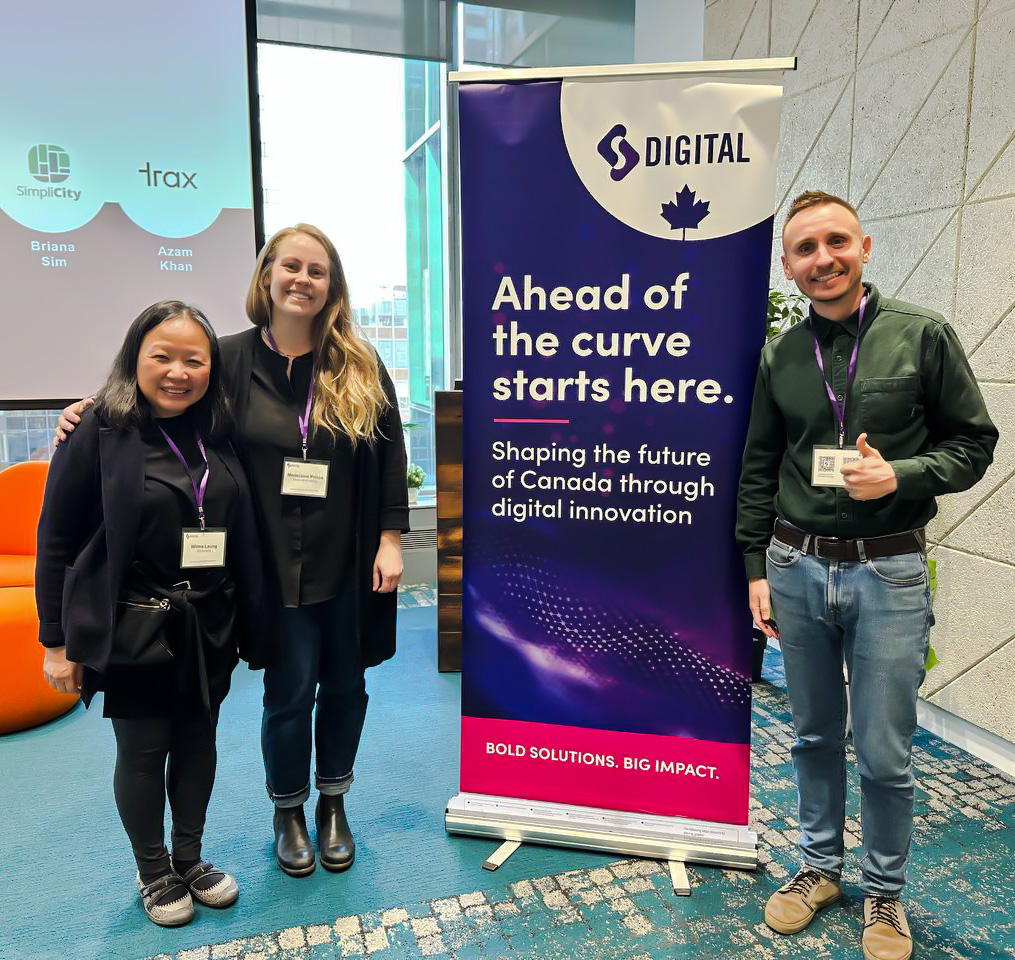
On Friday, April 11, 2025, the BPiBS project team participated in the insightful and dynamic event “Breaking Silos: The Building Code & Digital Integration” held at Microsoft Vancouver. The event, organized by DIGITAL, provided an exceptional platform for discussing housing challenges, digital innovation, and cross-sector collaboration.

Continue reading

BPiBS Research Paper Submitted for the Joint CSCE Construction Specialty & CRC Conference 2025

We are pleased to announce that the BPiBS research team has successfully submitted a paper to the Joint CSCE Construction Specialty & CRC Conference, taking place from July 28–31, 2025, in Montreal, Quebec. This conference gathers researchers, industry experts, policymakers, and practitioners to explore innovative solutions and cutting-edge developments in construction and civil engineering.

Our paper, titled “Best Practices in Building Systems (BPiBS): Advancing Knowledge Mobilization through Road Mapping,” outlines our efforts to drive transformative change in Canada’s housing sector. The BPiBS initiative is addressing urgent technical, economic, environmental, social, and health challenges by developing an iterative roadmap for enhancing building systems across urban and rural Canada, beginning with British Columbia and expanding nationally.

Continue reading