
A public learning resource supported by BC Housing and the University of Victoria
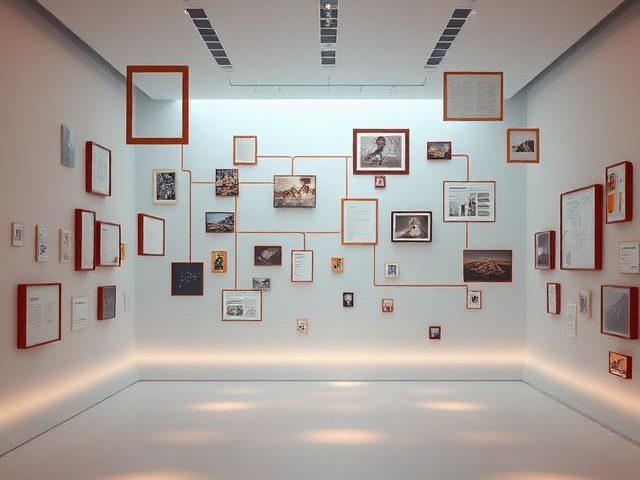
The Living Compendium is an open-source, shared digital space to collect learning about housing and building systems. It brings together different kinds of knowledge, including:
- Lived experience
- On-the-ground practice
- Technical and construction insights
- Policy or planning ideas
The goal of the Living Compendium is to help people learn from each other over time. Sharing something in the Compendium does not mean someone must respond or take action right away.
This page outlines the following information:
- Dates and registration for upcoming virtual working sessions
- Instructions for how to submit your contribution to the Living Compendium
- Q&A around what you can share, how submissions are handled, and your rights
Q&A for Living Compendium Contributions
What can I submit?
You can share anything that helps others learn, such as:
- A short or long written piece (a reflection, story, lesson learned, or question)
- A diagram, photo, or other image
- Audio (like a short recording)
- A video link (YouTube or Vimeo)
It’s okay if your contribution is still in progress. You don’t need to have a perfect submission.
To submit your contribution, send it by email to mbar@bchousing.org.
When do I need to submit by?
Recommended submission date is March 20, 2026. You can still submit your contribution after this date, though it may be published at a later time. If your entry includes commercial content or sensitive information, it may take longer because we will review it more carefully.
What should I include with my submission?
- Display name: The name you want shown publicly. If you don’t include one, we will list it as Anonymous.
- Media labels: If you include images, audio, or video, include a clear title, and 1–2 sentences explaining what it is.
What formats are accepted?
- Text: PDF (please don’t send Word or PowerPoint—PDF keeps formatting from changing)
- Images: JPG, TIFF
- Audio: WAV, AIFF, MP3
- Video: A link to YouTube or Vimeo
What should I avoid including?
Please avoid sending:
- Private personal information about yourself or others
- Anything confidential or not meant for public sharing
- Content focussed around advertising or promotion
If you’re unsure whether something is okay to share, email mbar@bchousing.org and we can help.
How are submissions reviewed?
We review all submissions before they are published. Entries with sensitive or commercial content may take longer so that we can make sure they align with the Compendium’s public purpose.
What are the copyright and licensing considerations?
- Copyright: You keep the rights to your work.
- Default sharing license: Creative Commons Attribution-ShareAlike 4.0 (CC BY-SA 4.0). If you want a different license, tell us when you submit
Ready to get involved?
You can register for the virtual working sessions, and submit your contribution by emailing mbar@bchousing.org.
This project is funded in part by the Government of Canada through the Research and Knowledge Initiative (RKI), delivered and supported by Housing, Infrastructure and Communities Canada to advance housing and infrastructure projects across the country.
Our team works across the unceded territories of many Indigenous Peoples, including the Algonquin Anishinaabe (Ottawa), Mississaugas of the Credit, Haudenosaunee, and Huron-Wendat (Toronto), Musqueam, Squamish, and Tsleil-Waututh (Vancouver), kʷikʷəƛ̓əm (Coquitlam), lək̓ʷəŋən and W̱SÁNEĆ Peoples (Victoria), and the Tla-o-qui-aht and Nuu-chah-nulth Nations (Tofino).
We recognize that land acknowledgment is not the work itself, but a reminder of our ongoing responsibilities—relational, material, and ethical—to the peoples and places that continue to steward these lands.
We commit to unsettling extractive habits in our work and to walking, with humility, toward deeper accountability.