
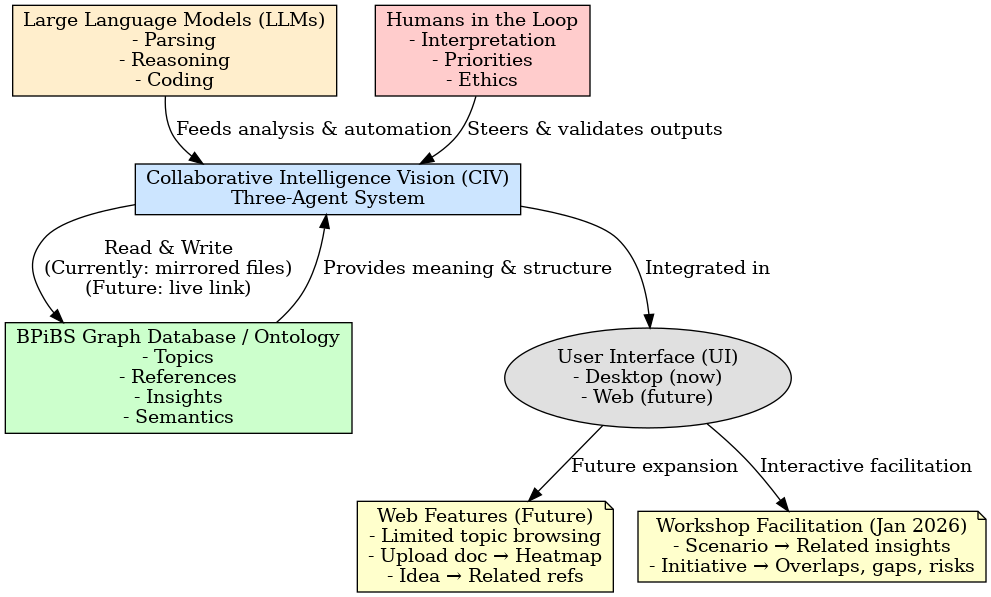
Alongside KIND is the Collaborative Intelligence Vision (CIV) model. CIV is being developed as an agent-based three-part system tool that integrates:
- Black‑box large language models (LLMs) that help interpret, generate, and navigate complex information
- Explicit, model-driven semantics, based on the BPiBS project ontology and graph database, containing references, topics and insights from listening sessions, interviews etc, as well as other domains of information.
- Humans in the Loop, where people provide interpretation, set priorities, and shape ethical direction
The aim is for these block-agents to actively facilitate information and knowledge within the housing domain:
- The database delivers meaning and structure.
- Large language models (LLMs) accelerate parsing, reasoning, and coding.
- People guide interpretation, set priorities, and ensure ethical alignment.
The graph database repository remains the foundation that houses topics, references, listening session insights, and more. Its user interface is enhanced by the CIV tool, enabling LLM-driven interactions that allow users to ingest and query data intuitively. CIV is designed to both read from and write to the database; while it currently operates with mirrored small datasets through a plug-in architecture to validate data pipelines, it is intended to connect directly to the live graph database in the future.
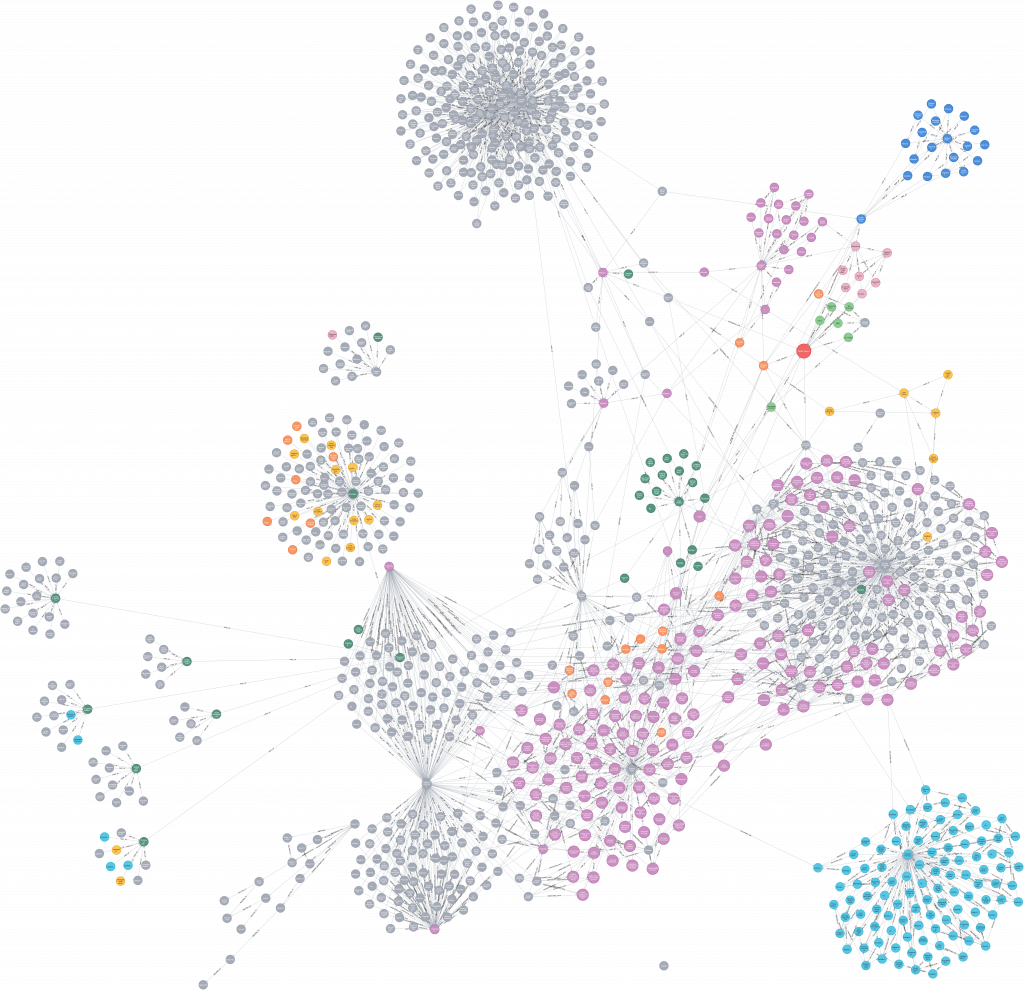
BPiBS Graph Database development utilizing Neo4j:
Planned user experiences and near‑term milestones:
- Desktop interface, web later: CIV is currently a desktop development; most capabilities can later surface in the web UI once requirements stabilize.
- Web tasks we envision, limited public browsing of the topic map; “upload a document → generate a heatmap”; “enter an idea → fetch top related references.”
- Workshop use: CIV supports facilitation. Example: enter a scenario and instantly surface related Listening‑Session comments and topic hotspots; let participants “enter their initiative” and see overlaps, gaps, risks across the live repository.
This project is funded in part by the Government of Canada through the Research and Knowledge Initiative (RKI), delivered and supported by Housing, Infrastructure and Communities Canada to advance housing and infrastructure projects across the country.
Our team works across the unceded territories of many Indigenous Peoples, including the Algonquin Anishinaabe (Ottawa), Mississaugas of the Credit, Haudenosaunee, and Huron-Wendat (Toronto), Musqueam, Squamish, and Tsleil-Waututh (Vancouver), kʷikʷəƛ̓əm (Coquitlam), lək̓ʷəŋən and W̱SÁNEĆ Peoples (Victoria), and the Tla-o-qui-aht and Nuu-chah-nulth Nations (Tofino).
We recognize that land acknowledgment is not the work itself, but a reminder of our ongoing responsibilities—relational, material, and ethical—to the peoples and places that continue to steward these lands.
We commit to unsettling extractive habits in our work and to walking, with humility, toward deeper accountability.