
The Work
The Co-Lab has been hard at work leading a number of community-based projects in and around the province. Here are the highlights:
Projects in the Works

New Report Alert!
We’re excited to announce the recent release of, “Seniors in the ED,” a key findings report from an important research study on improving experiences for older adults in the emergency department. Funded by the Eldercare Foundation and led by Dr. Mariko Sakamoto and Dr. Jae-Yung Kwon (both from UVic’s Faculty of Health), in partnership with Island Health, the project examines the challenges older adults face in emergency care amid human resource shortages, limited primary care access, and broader system constraints. The research team hosted two in-person Patient Oriented Research workshops in Nanaimo and Victoria, co-designed with a patient advisory committee of seniors with lived experience. Insights from these sessions, combined with a rapid review of recent literature, informed the report and its recommendations for improving care. Check it out here and let us know what you think!
First Co-Lab Roundtable:
In November, the Dementia Action Co-Lab held its first Roundtable session, gathering a community action group comprised of people with lived experience from across BC, researchers, community members, and lab staff. We discussed best practices for community based participatory research on dementia, as well as brainstorming key elements of an upcoming research project we will be embarking on soon. You can read the report from this auspicious event here.

Comox Valley Project
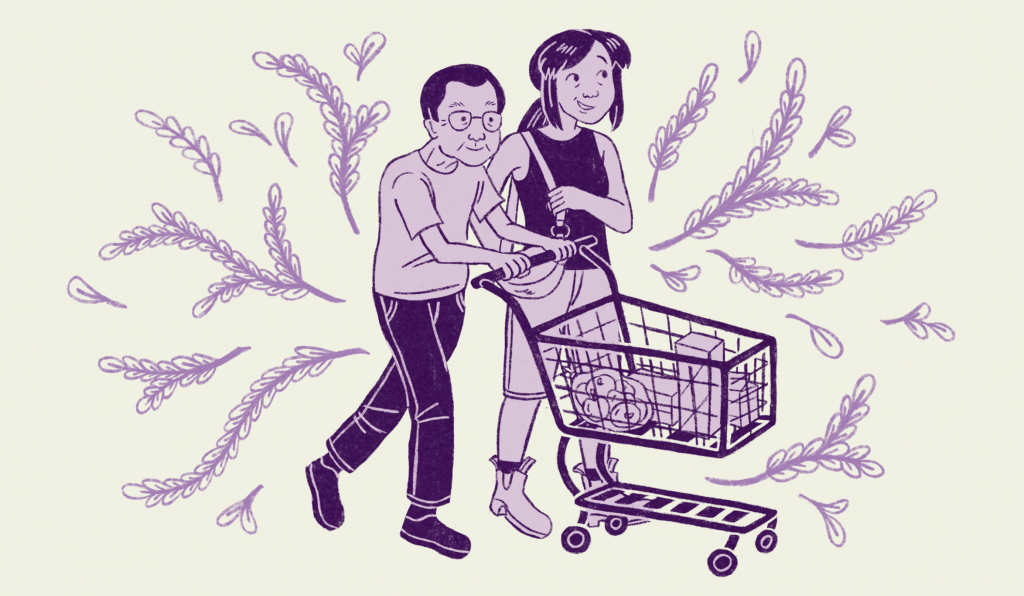
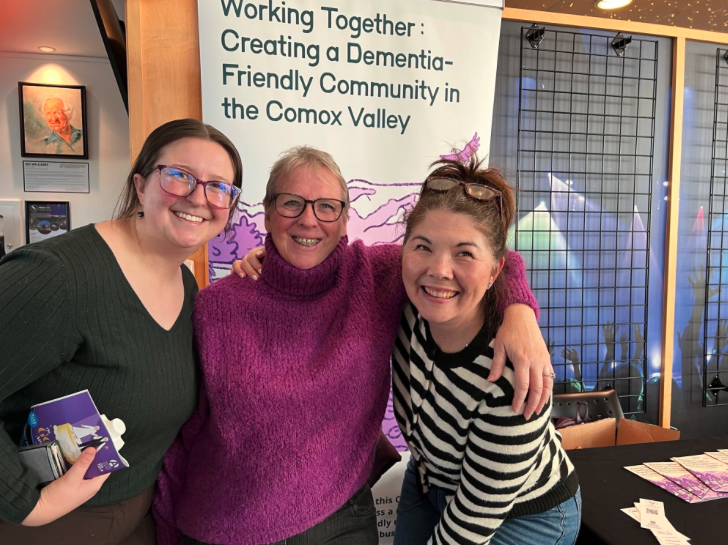
The Dementia Action Co-Lab worked in partnership with the Comox Valley Partners Group (comprised primarily of care partners) to develop a resource specific to their community that’s now being distributed to local businesses, helping foster a more dementia friendly culture overall. There is a great deal of interest across the mid to North Island region in finding better ways to support seniors. And the community was keen to join in the co-design seminars and workshops the Co-Lab offered to help develop this resource co-designed in partnership with the Health Design Lab at Emily Carr University of Art + Design.
Flipping Stigma Translation:
The Dementia Action Co-Lab collaborated with co-lead Dr. Karen Wong, PhD from the University of British Columbia to translate the Flipping Stigma Toolkit into traditional Chinese characters. They then transformed this toolkit, recognized by the World Health Organization’s Global Dementia Observatory Knowledge Exchange Platform as one of the world’s top ten supportive dementia interventions, so that it’s culturally meaningful to the Chinese Community. Plans are already underway for similar work with other cultural communities going forward. Here is a link to the English version toolkit and stay tuned for the Chinese version that will be available very soon!


Improving Emergency Department Experiences
This project, funded by the Eldercare Foundation, addresses the urgent need to improve emergency department (ED) experiences for older adults in the Island Health region—home to the highest proportion of older adults in BC. Through a patient-oriented research (POR) approach, Phase 1 will involve a rapid review of effective ED interventions and two one-day workshops centering the voices of older adults with lived experience and their caregivers.
By bringing together patients, families, ED staff, researchers, and decision-makers, the project aims to identify and prioritize practical, evidence-based strategies to enhance seniors’ care in the ED. This collaborative effort, co-led by Dr. Jae-Yung Kwon and in partnership with Island Health, supports aging with dignity and aligns with quality improvement goals across Island Health.
Past Projects
Dementia Friendly Communities for People Living Alone:
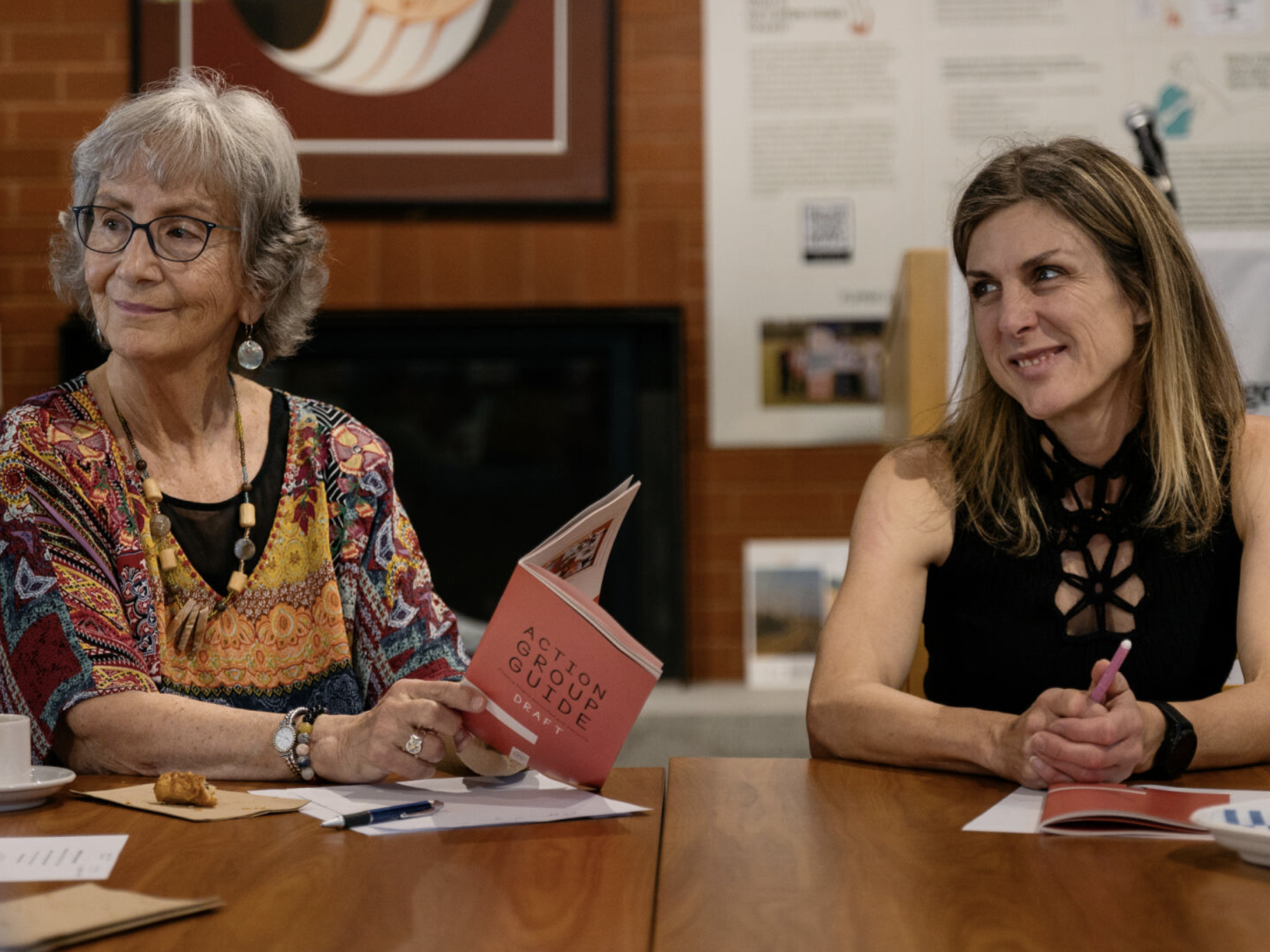
The Co-Lab team worked with project co-lead and advocate Lynn Jackson, and Emily Carr University’s Health Design Lab to co-design an action plan for people living alone with dementia. A team of researchers and eight participants with lived experience (four men and four women) gathered for a series of six online sessions that established and explored two guiding themes:
- What do people with dementia who live independently need to thrive in community?
- What makes a community dementia friendly (according to people with dementia who live independently)?
Participants received workshop kits in the mail ahead of time, and the first three sessions focused on gathering information through ice breaker activities, collaging projects, and conversational reflection. The second half of the sessions synthesized the group’s ideas, strategized how to share them more broadly, and finalized an action plan they could put out into the world.
The result is a comprehensive roadmap of recommendations for how to ensure communities are dementia friendly, particularly for people with dementia who live on their own. You can find this action plan here.
Audio Diaries:
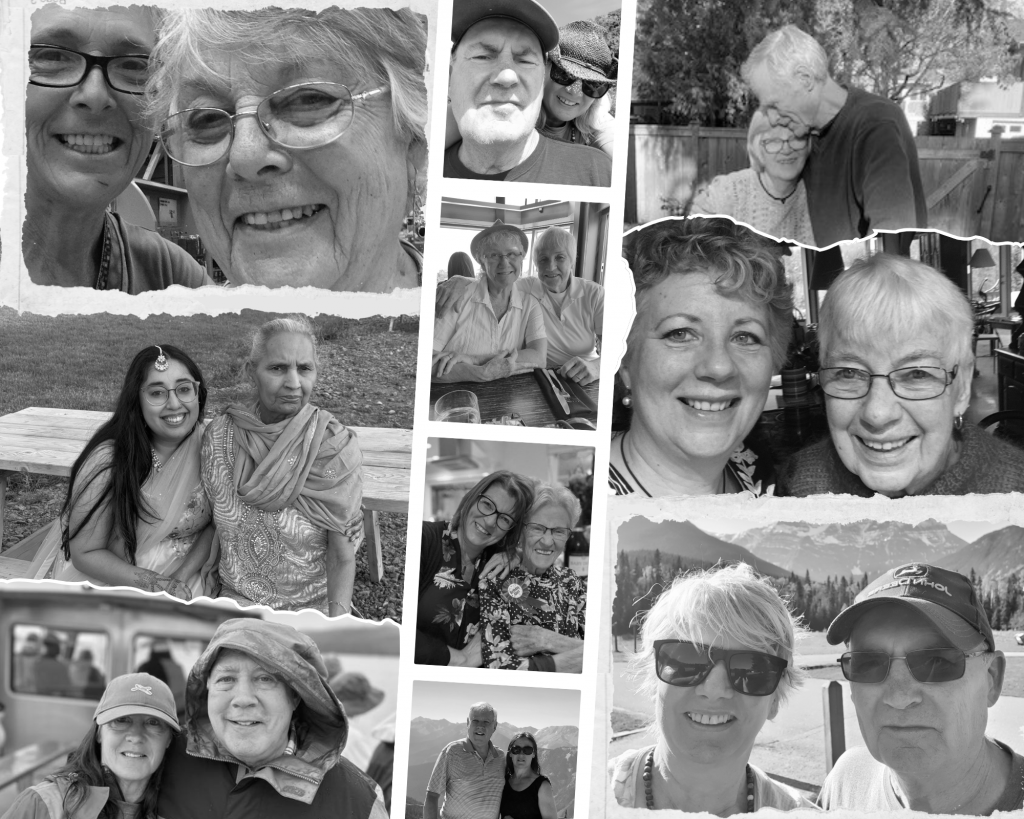
This research, funded by the Social Sciences and Humanities Research Council (SSHRC), invited care partners to share recorded stories from their daily journeys with loved ones living with dementia as a way to gain insights into what they need, how they feel, and what we as a community can do to better support them. This project resulted in a second season of the Call to Mind podcast series originally created by long-time University of Victoria professor Debra Sheets. Co-Lab director Mariko Sakamoto hosted a special online event at the end of May called “Call to Mind: Shared Stories, Stronger Connections: A Story-Based Gathering on Dementia and Caregiving” that you can view here. And the Co-Lab has a special documentary about the project set to be released very soon.
Big Picture Collaborations:
The CARING Collaborative:
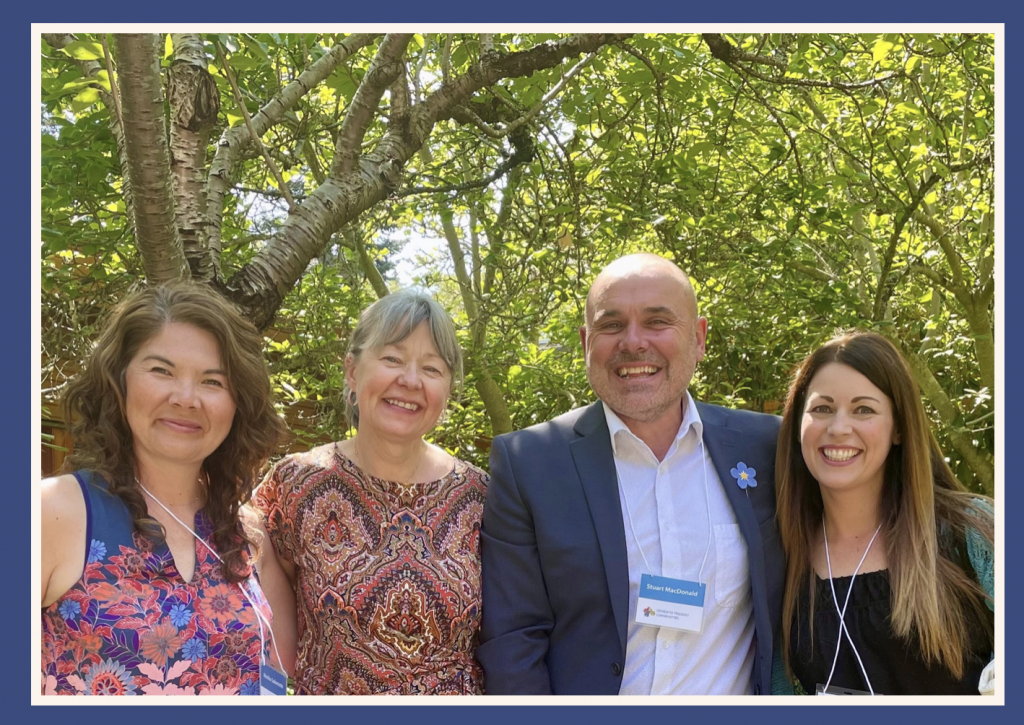
This UVic-based dementia-friendly research cluster brings together researchers from across faculties who share expertise and a collaborative drive. Their objective is to highlight and advance the impact of dementia-friendly environments and person-centred care for people with lived experience. After mapping out community needs through an environmental scan, the team has spent the past year turning ideas into action. They’re committed to pushing this work forward—learning, adapting, and creating meaningful change. You can access the Collaborative’s website here.
Dementia in the Outdoors
The Dementia Action Co-Lab is excited to collaborate with Project Lead Dr. Elaine Wiersma on “Dementia in the Outdoors.” This CIHR-funded research initiative explores how nature-based innovations contribute to, and shape, the experiences of people living with dementia. Researchers at Lakehead University, the University of British Columbia, and the University of the Fraser Valley have come together to follow a variety of outdoor programs and study their impact.
Lakehead created “Dementia Gardens: A Place to Grow”, as a consistent sanctuary amidst native plant gardens, where people with lived experience can work in the garden, connect, learn, and be together in nature.
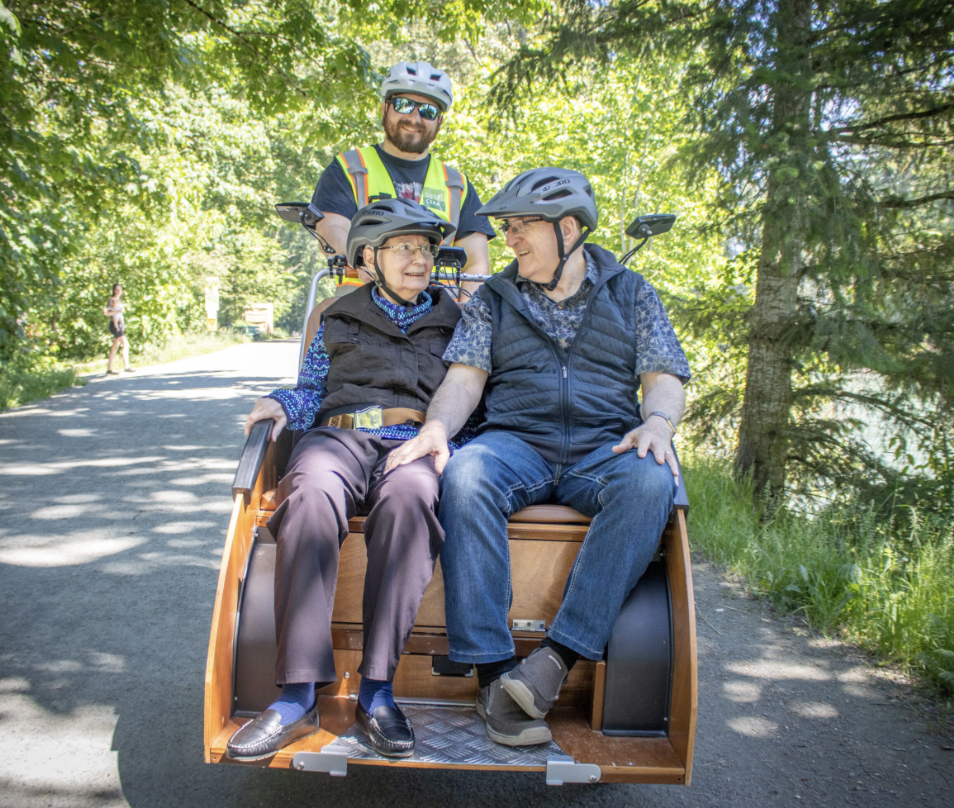
The University of the Fraser Valley offers “Trishaw Rides” as part of a larger program entitled “Cycling Without Age,” taking older adults out for rides along the Vedder River and surrounding region. And, the Fireweed Club (via UBC) finds safe and beautiful outdoor gathering spaces around Vancouver for connection and exploration of the region’s native plants. All three sites understand that getting outside and connecting both to people and nature has myriad health and wellness benefits for everyone. This study seeks to explain the impacts of these mechanisms on folks with lived experience in more depth.
Canadian Consortium on Neurodegeneration in Aging (CCNA) Collaboration:
Lab Director Dr. Mariko Sakamoto is also collaborating on an exciting Canadian Consortium on Neurodegeneration in Aging (CCNA) project, headed up by Dr. Laura E Middleton and Dr. Carry McAiney from the University of Waterloo.
This CIHR-funded collaboration seeks to promote health equity and co-design quality of life supports among people living with dementia and care partners in ethno-racial communities. Dr. Sakamoto and her colleague Dr. Karen Wong will be co-primary investigators leading work with the Chinese community.

Want to Connect?
Leave your contact information and message below.
We’ll be in touch!
Leave a Reply